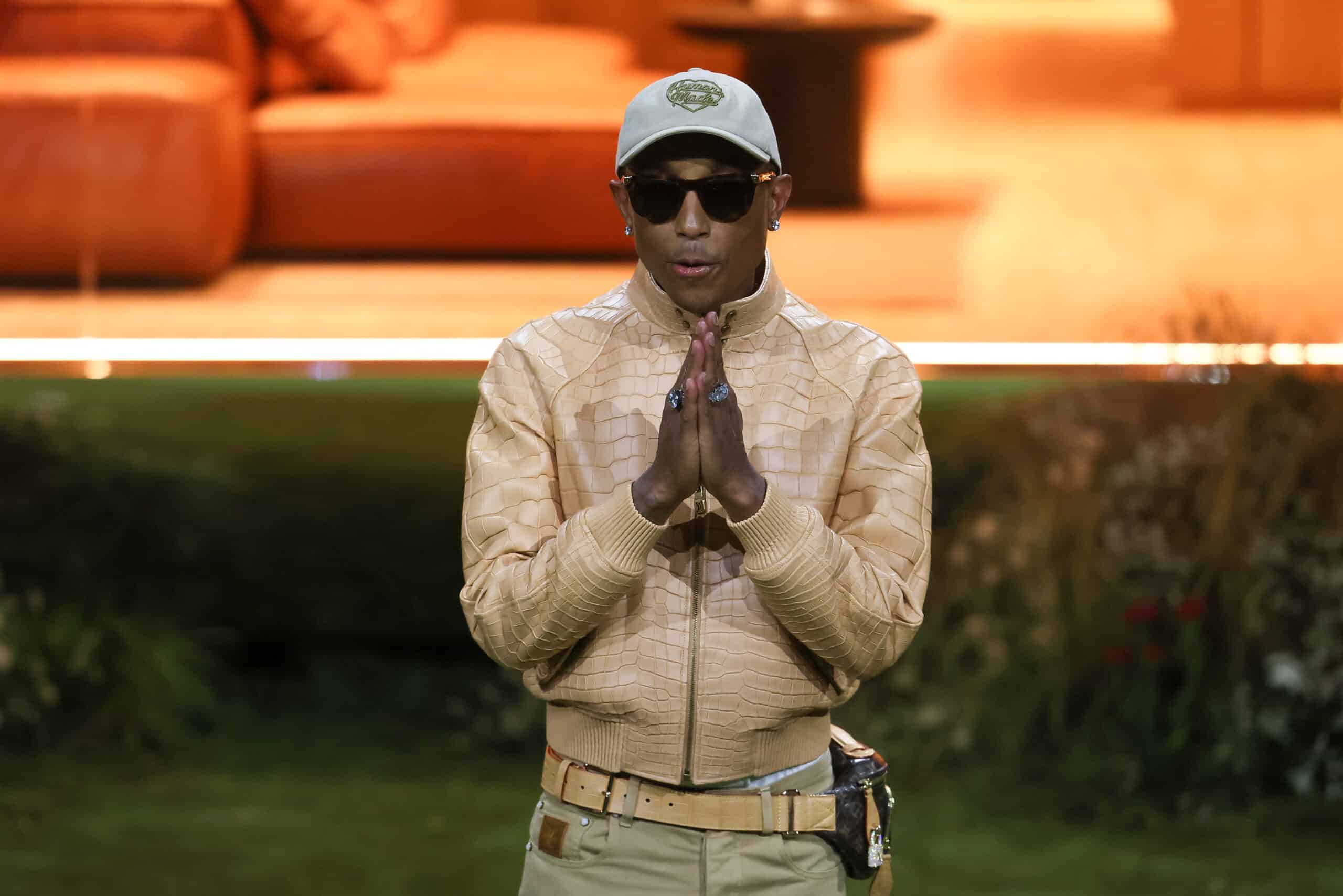

Pharrell Williams unveiled Louis Vuitton’s Fall-Winter 2026-2027 menswear collection on January 20, 2026, during Paris Fashion Week. This show celebrated the 130th anniversary of the brand’s legendary Monogram motif.
The event unfolded around the Drophaus, a slick glass-walled prefab home built in collaboration with Not a Hotel. That unconventional stage quickly became a talking point of the season.
The collection mashed up classic tailoring with technical innovation. Think reflective houndstooth and herringbone suits for cycling after dark, water-repellent parkas, and jackets woven with aluminum thread for extra durability.
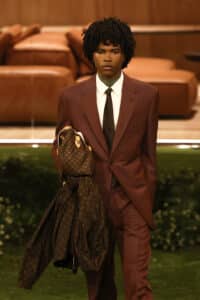
Williams looked back to the 1980s for inspiration, mixing in Ralph Lauren’s preppy vibe. He pulled performance materials from sportswear and dropped them right into luxury fashion.
The Monogram was everywhere—caps, backpacks, windbreakers, and bags in silk and recycled nylon. If you were looking for subtlety, well, you might’ve missed it here.
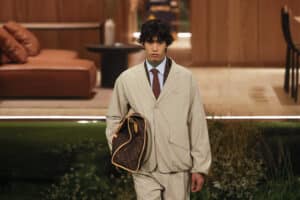
Highlights Louis Vuitton Fashion Show Designer Pharrell Williams 26/27
Pharrell Williams put technical innovation and the iconic Monogram canvas front and center for Louis Vuitton’s Fall-Winter 2026 menswear. The Drophaus structure brought a bit of architecture into the mix, which felt refreshingly different.
Pharrell Williams’ Role and Creative Direction
Williams steered away from the “quiet luxury” wave, going after what he calls “timeless luxury.” You could see him weaving heritage Vuitton codes with technical breakthroughs, a trick he honed at Adidas.
He borrowed from Ralph Lauren’s preppy playbook and Savile Row’s tailoring. Williams questioned what luxury fabrics could actually do—could they be more than just pretty and long-lasting?
His personal history with Louis Vuitton, from discovering it through rappers and Dapper Dan bootlegs, really shaped his approach to the Monogram. Williams didn’t shy away from mixing in some nouveau riche flair with the old-school codes.
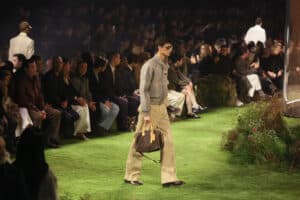
Signature Designs and Standout Pieces
The collection had suiting fabrics—houndstooth, herringbone, checks—that flipped reflective under the lights. Cycling details popped up, like pants tucked into socks, broadcasting utility over tradition.
Key technical innovations included:
- Silky parkas with water-repellent membranes
- Crinkled Harrington jackets threaded with aluminum
- Monogram canvas that lights up under UV
- Bags in silk and recycled nylon instead of the usual coated canvas
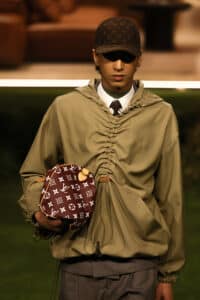
He played with trompe-l’oeil rain effects—silver crystals on an ice blue shirt, a gray tweed overcoat covered in sparkle. Accessories? Everything from a silver boom box bag to a Monogram belt bag dripping in gold and diamonds.
Monogram details splashed across caps, backpacks, glossy windbreakers, and soft bags. Williams even brought in performance materials like Climacool, usually reserved for sports gear.
Runway Presentation and Atmosphere
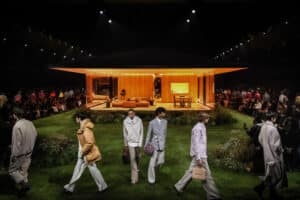
The show circled the Drophaus, a glass-walled prefab house crafted with Not a Hotel. Models looped around this transparent cube, giving the whole thing an oddly intimate vibe.
UV lights at the start made the Monogram on a trunk inside the Drophaus glow like a secret code. It was a neat trick, though I wish they’d shown more pieces under that lighting—missed opportunity, honestly.
The setup went heavy on atmosphere, not so much on showing off how those technical fabrics move. The grassy runway at the Louis Vuitton Foundation turned the show into a sort of fashion jam session, with ’80s nostalgia colliding with the future.
Impact and Industry Response
Pharrell Williams made it clear: technical innovation beats out spectacle. The show got people talking about how luxury is shifting toward sustainability and real-world function.
Critical Reception
Fashion critics noticed the focus on technical fabrics and a timeless look. Some wanted Williams to take even bigger creative risks, but most agreed he pushed Vuitton’s heritage in a new direction.
The earthy color palette and 1970s shapes fit right into Williams’ usual aesthetic. Thermo-adaptive fabrics, reflective details, and technical silks felt like a practical move for luxury menswear—finally, something that does more than just look good.
The Zen garden vibe at the Louis Vuitton Foundation reinforced a sense of minimalism and calm introspection. It felt like a breather from the usual fashion circus, honestly.
Influence on Upcoming Fashion Trends
This collection’s focus on utilitarian luxury set a new bar. Williams showed that performance and high-end design can actually work together, not just coexist awkwardly.
He leaned into ergonomic textiles and breathable materials, hinting that clothes should function as tools, not just outfits. Other luxury brands might just follow his lead and start caring more about technical innovation.
The retro-futuristic elegance—classic tailoring with relaxed silhouettes—felt like a blueprint for what menswear could look like soon. Pieces that breathe, protect, and adapt? That’s what people want now. I wouldn’t be surprised if Paris Fashion Week’s ripple effect spreads this philosophy far and wide.
Collaborations and Brand Partnerships
The DROPHAUS project kicked off Williams’ collaboration with the Japanese studio Not A Hotel. That partnership nudged Louis Vuitton into the world of lifestyle and architectural design.
The tiny house idea? It showed how luxury brands like Vuitton can play with living spaces but still hang onto their roots in travel and craftsmanship.
Williams had already teamed up with Nigo at Kenzo, and their earlier collection really set the tone for his creative partnerships in high fashion. Over at the menswear studio, the team dove into innovative fabrics, pushing material research and textile engineering in fresh directions.