
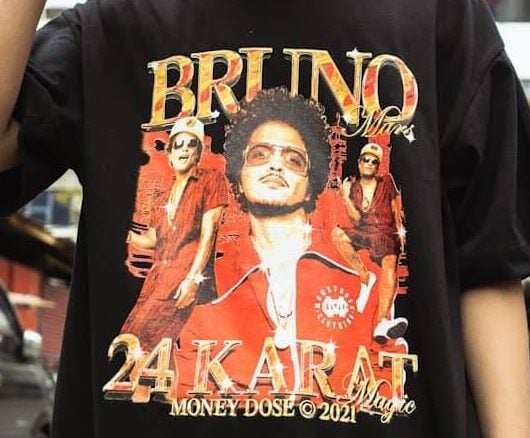

Gambling addiction doesn’t care how rich, talented, or famous you are. Lately, we’ve seen some wild headlines: NBA players getting lifetime bans, MLB athletes tangled up in federal indictments, and even Grammy-winner Bruno Mars racking up massive gambling debts. This isn’t just a sports story—it’s bleeding into the music world, too.
Since sports betting became legal in 2018, scandals have exploded across American pro leagues. The NBA, MLB, NFL, and NHL are all scrambling to handle everything from player bans to federal prosecutions.
Honestly, it’s more than just breaking a few rules. The rise of betting apps and relentless gambling ads has created a pressure cooker for athletes. They’re getting harassed by bettors, tempted to manipulate games, and can bet on their own sports with just a few taps.
Why do successful people get caught up in this? It’s a mess of psychology, outside pressure, and a culture that treats betting like a normal hobby. Jontay Porter got a lifetime NBA ban for tanking his own stats to cash in on prop bets. Cleveland Guardians pitchers ended up indicted for arranging pitch outcomes. These aren’t isolated slip-ups—they show how deep the problem runs.
Recent Scandals Involving Betting and Gambling Addiction
The last couple of years have been a rollercoaster. We’ve seen high-profile arrests, federal raids, and careers crashing down over gambling. Elite athletes and big-name performers aren’t immune—if anything, they’re right in the thick of it.
NBA Betting Scandal: Terry Rozier, Chauncey Billups, and Damon Jones
Terry Rozier found himself facing federal charges in October 2025. Prosecutors say he left a 2023 game on purpose so a friend could win a bet. This all happened back when Rozier played for the Charlotte Hornets. Investigators noticed weird betting patterns and, before long, Rozier and Portland Trail Blazers coach Chauncey Billups were both in handcuffs.
Billups, a Hall of Famer, got indicted for allegedly running illegal poker games—some say mafia families in New York even joined in. The investigation also pulled in former NBA player Damon Jones.
And let’s not forget the Jontay Porter scandal in April 2024. Porter told a bettor about his injury, pulled himself from a game, and tried to rig prop bets. He even bet on NBA games himself. Not subtle.
Timothy McCormack ended up with two years in prison after admitting a gambling addiction during his sentencing. It’s a mess all around.
Major League Baseball: Recent Gambling Controversies
MLB started dropping the hammer in June 2024. Tucupita Marcano got a lifetime ban for betting on 25 Pirates games while he was still on the team. Four other players caught a year-long suspension for betting on games they weren’t playing in.
The Cleveland Guardians put pitcher Luis Ortiz on paid leave in July 2025. They’re digging into whether he set up certain pitches on purpose—again, flagged by strange betting activity.
And then there’s umpire Pat Hoberg. MLB fired him in February 2024 after he shared betting accounts with a pro poker player who bet on baseball. It’s not just the players getting in trouble.
Music Industry Exposure: Bruno Mars and Gambling Reports
Bruno Mars, of all people, reportedly racked up eye-watering gambling debts at MGM casinos. The exact numbers are fuzzy, but the rumors won’t die. Mars isn’t bound by league rules, so his situation’s a little different from the sports world scandals.
Still, his story shows that gambling addiction doesn’t care if you’re holding a Grammy or a World Series ring.
Cross-Sport Investigations and FBI Actions
The FBI has gotten way more involved lately. They’re chasing networks that run illegal sports betting across multiple leagues. Rozier and Billups both got arrested in October 2025 as part of these sweeping investigations.
The NFL hasn’t escaped either. It suspended players like Calvin Ridley for betting on Falcons games, and five more in April 2023 for other violations. The NHL also benched Shane Pinto for 41 games in October 2023 for sports betting.
Even college sports aren’t safe. Notre Dame suspended its men’s swim team in August 2024 after finding out about NCAA gambling violations. Student-athletes are betting, even though they’re not supposed to and most aren’t even old enough.
Understanding Who Is Affected and Why
Why do successful athletes and entertainers fall into gambling traps? Their wealth, competitive streaks, and nonstop pressure all play a role. Being in the spotlight actually makes it harder to ask for help. Stigma’s a real thing.
The Pressure on Elite Athletes and Entertainers
Risk-taking and confidence get you far in sports and music. But those same traits can backfire at the casino or betting app. That drive to win doesn’t just turn off after the game or concert.
Psychological pressure is nonstop. Fans, coaches, the media—everyone’s watching. If an athlete gets injured or a musician’s tour ends, gambling can look like an easy escape. There’s so much downtime between seasons or tours, and not everyone knows how to handle it.
Gambling is everywhere in these industries. Athletes see betting ads in their own stadiums. Musicians get exposed to casino culture on the road. It’s inescapable.
The Role of Wealth and Fame in Gambling Addiction
When you’ve got millions, you can hide a gambling problem for a long time. Blowing hundreds of thousands doesn’t always set off alarms if your bank account’s massive.
Fame brings isolation. Celebrities gamble behind closed doors or in VIP rooms, so no one notices until things get bad. Friends and family can’t step in if they never see the problem.
Easy access to credit makes it worse. Financial advisors sometimes enable it by handing over money without asking questions. By the time a scandal breaks, the debts are usually huge and have been piling up for years.
Psychological Drivers and Personality Traits Among the Successful
People at the top of their fields often share traits that make gambling extra risky. They crave excitement, act on impulse, and think they can outsmart the odds.
Common traits in successful people with gambling issues:
- Super competitive—not just on the field or stage
- Hate boredom, especially during career lulls
- Chase stimulation like it’s another performance high
- Overconfidence in their own decisions
Their brains light up from wins, whether it’s a game or a bet. For athletes and musicians used to constant dopamine rushes, gambling feels like a substitute. The random wins keep them hooked, even as the losses stack up.
Detection and Support: League and Industry Responses
Sports leagues have set up systems to spot weird betting patterns, mostly to stop match-fixing. But they’re not really looking for players struggling with addiction. The NBA and MLB offer assistance programs, but you’ve got to admit you have a problem first—and that’s a big ask.
Honestly, leagues talk a good game about “responsible gambling” while cashing in on betting partnerships. The incentives are all over the place, and player welfare often comes second.
Entertainers have it even tougher. Musicians don’t have team doctors or league programs. Private treatment is the only real option, and most people put it off because they’re worried about their careers or public image.
Historic and Ongoing Corruption in Sports Gambling
Sports gambling corruption isn’t new—it’s just gotten more complicated. What started as a few shady deals has turned into a systemic headache. From the infamous Black Sox scandal to modern-day rigged poker games, the mix of betting and competition keeps exposing weak spots that regulators can’t quite patch up.
The Black Sox Scandal and the Rise of Kenesaw Mountain Landis
The Black Sox scandal is still the gold standard for sports corruption. Back in 1919, eight Chicago White Sox players worked with gamblers to throw the World Series against the Reds. They got paid between $5,000 and $10,000 each to lose on purpose.
The fallout was brutal. Fans lost trust in baseball, and owners scrambled to fix the mess by appointing Kenesaw Mountain Landis as the first commissioner. He had sweeping powers to clean house.
Landis banned all eight players for life, including “Shoeless” Joe Jackson—even though a court cleared them. His no-nonsense approach set a tone that shaped sports governance for decades. Landis ran the show until 1944, keeping baseball on a tight leash.
Famous Rigged Games and Poker Schemes Involving Celebrities
Rigged poker games have pulled in celebrities and athletes, not just your average gambler. These scams use marked cards, player collusion, or dealers tipping off their friends.
The 2011 “Full Tilt Poker” mess showed how pros ran an unlicensed operation that siphoned over $400 million from players. It wasn’t about rigged cards, but it proved how easy it is to exploit regulatory blind spots. Some NBA and MLB players have even been accused of joining underground poker games where the winners were decided before the cards hit the table.
Fast forward to 2026: NBA player Terry Rozier, Damon Jones, and coach Chauncey Billups got indicted for schemes that ripped off both gamblers and betting companies. Corruption now isn’t just about fixing games—it’s about defrauding the whole system.
Evolution of Prop Bets and In-Game Betting
Prop bets used to be a novelty. Now they’re big business and a magnet for corruption. Instead of betting on who wins, you gamble on specific actions—like how many fouls a player commits or if someone hits a certain stat line.
In-game prop bets make things even trickier. Odds shift in real time, and players can influence outcomes without messing with the final score. A basketball player could miss a free throw on purpose or rack up fouls to meet a betting target, while the team still gets the win.
Sportsbooks offer hundreds of prop bets per game, and regulators can’t keep up. Laws like the SAFE Bet Act try to rein in in-game betting and AI-driven bets, but progress is slow and the loopholes are everywhere.
The Impact of Technology: Rigged Shuffling Machines and Cheating Methods
Technology has leveled up gambling scams. Rigged shuffling machines can stack decks in advance, giving someone an unbeatable edge. Sometimes casino workers or hackers tweak the software to control which cards get dealt.
There’s more—hidden cameras, GPS trackers, and RFID chips in cards let cheaters monitor games without anyone noticing. Online, bots analyze betting patterns and exploit algorithm flaws. It’s a digital arms race.
The 2026 NHL data licensing deal with Kalshi and Polymarket is a sign of the times. These prediction markets let anyone over 18 bet on almost anything, with barely any oversight. Regulators seem outmatched and underprepared for this tech onslaught.
The Legalization of Sports Betting and Its Consequences
The 2018 Supreme Court ruling in Murphy v. NCAA changed everything. Legal sports betting exploded from one state to 38 by 2024. Total sports wagers jumped from $4.9 billion to $121.1 billion. Not surprisingly, searches for gambling addiction help shot up 23% nationwide.
Expansion of Sports Betting Platforms Like DraftKings
Online platforms have totally shaken up the betting world, letting anyone wager around the clock on their phones. DraftKings and its competitors took something that used to mean a trip to a smoky sportsbook and turned it into a tap-and-scroll habit you can do from your couch, the bus, or even the grocery store.
The difference between retail and online betting? It’s pretty wild. In Pennsylvania, after they opened brick-and-mortar sportsbooks, searches for gambling addiction help shot up by 33%.
But once online sports betting arrived, those searches spiked by 61%. That’s not subtle.
New York and Pennsylvania both saw their highest-ever monthly search numbers for gambling help right after online sportsbooks launched. The ease of mobile betting? It basically bulldozed the old roadblocks that kept people from gambling all the time.
Regulation Versus Reality: Monitoring Gambling Integrity
States rake in hefty gambling tax revenue but, honestly, barely spend anything on problem gambling support. In 2023, the average state earmarked just $3.1 million for addiction services, but that number’s kind of misleading.
Massachusetts alone dropped $22.6 million into the pot, while most states tossed in less than $1 million. Twenty states didn’t even break $400,000 for gambling addiction support, even though they were cashing in tens of millions in gambling taxes.
The healthcare system just isn’t built for this. Most practitioners say they’ve had little or no training in treating gambling addiction. The FDA? It hasn’t really approved any meds specifically for gambling disorder.
Problem Gambling in the Age of Ubiquitous Betting
Between May 2018 and June 2024, Americans searched for gambling addiction help somewhere between 6.5 and 7.3 million times. June 2023 was the real eye-opener, with monthly searches peaking at 180,000.
State data paints a clear picture—sportsbook launches and help-seeking go hand in hand:
- Ohio: 67% jump in gambling addiction help searches
- Pennsylvania: 50% increase
- Massachusetts: 47% increase
Gambling disorder fires up the brain’s reward system with dopamine, just like substance addiction. It’s tangled up with depression, bipolar disorder, and a higher risk of suicide. Physically, it can mean tachycardia, angina, and hypertension. Socially, it wrecks lives—bankruptcy, job loss, homelessness, you name it.
Future Outlook: Industry Reforms and Scandal Prevention
Right now, sports betting keeps growing faster than public health systems can keep up. Oddly enough, there’s still no formal way to track gambling addiction rates, even though experts recognize it as a real mental health issue.
Honestly, it feels like the industry’s main focus is just expanding into new markets. Meanwhile, the gap between all that gambling tax money and what actually gets spent on addiction services is pretty glaring.
Sports betting sites are facing more calls to step up and protect their users. Some researchers argue that if we made sportsbooks liable for losses, they’d finally have to get serious about safeguards.
Betting ads pop up everywhere now—during games, across broadcasts, and even in league promos. This stuff has made gambling seem almost routine, which is wild. With more people running into gambling problems, it’s past time to put real money into treatment and education that actually keeps up.