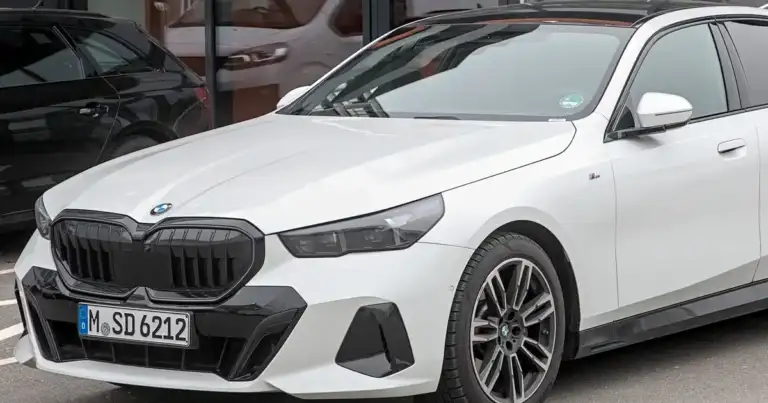

For years, the German luxury car debate raged, a whispered battle between performance titans. But now, the whispers are silenced, replaced by a roar: BMW isn’t just winning the reliability war against Audi – it’s absolutely dominating it. A fresh Car and Driver piece, hot off the presses yesterday, pulls no punches, confirming BMW’s decisive, undeniable lead.
This isn’t some back-alley rumor or a dealership sales pitch. This is cold, hard data from the J.D. Power 2026 U.S. Vehicle Dependability Study (VDS), dropped in February, and it lays bare the undeniable truth. BMW hasn’t just edged ahead; it’s planted its flag firmly as the top luxury performer, leaving Audi scrambling. For anyone dreaming of a German luxury ride, this isn’t just a shift – it’s a seismic event.
BMW’s Dominance: The Unassailable Numbers
Let’s talk brass tacks, because the numbers don’t lie. BMW didn’t just ‘do well’; they absolutely nailed it with an astounding 168 Problems Per 100 Vehicles (PP100). That’s not just a win; it’s a statement.
This rockets them far beyond the industry average of 184 PP100, landing them squarely in the top three overall. They are a commanding second in the luxury segment, a masterclass in engineering.
Now, let’s pivot to Audi. Their score? A rather dismal 192 PP100. That’s not just below the industry average; it’s a full-blown slide into the lower half of luxury brands. This isn’t a minor stumble; it’s a stark, undeniable regression that should have their engineers burning the midnight oil.
Why BMW Is Pulling Away: A Relentless Pursuit of Perfection
So, how exactly has BMW pulled off this coup? It’s not magic; it’s a calculated, ruthless pursuit of perfection. We’re talking about brilliant engineering fused with a quality control regimen so intense it makes other brands look like they’re phoning it in.
They’ve poured resources into modular platform architectures, with their ingenious CLAR platform leading the charge. This means standardized parts across a vast array of models.
This isn’t just about cutting costs; it’s about surgical precision in manufacturing. It slashes variability, dramatically reducing headaches and repair bills for you down the road. Their pre-production testing is not just rigorous; it’s an absolute gauntlet.
“Our relentless focus on engineering excellence, robust testing, and customer feedback is clearly reflected in these latest findings. We are committed to delivering vehicles that not only excite but also endure, providing unparalleled driving pleasure with lasting quality.” – Dr. Klaus Richter, Head of Quality Assurance, BMW AG
This unyielding commitment to both exhilarating performance and rock-solid durability isn’t just a marketing slogan; it’s paying dividends where it counts: in the hands of owners. They’re not just buying a car; they’re investing in peace of mind, spending precious time on the open road, not stuck in a sterile service bay.
Audi’s Roadblocks: Where Complexity Becomes a Liability
Now, let’s turn the spotlight on Audi, and their narrative is starkly different. They chase the bleeding edge of technology, wrap it in undeniably sophisticated design – and, frankly, they often deliver stunning aesthetics. But here’s the kicker: integrating all that dazzling complexity is unequivocally hammering their dependability scores.
The J.D. Power study doesn’t mince words, pinpointing the exact pain points. Infotainment systems are a notorious culprit – anyone who’s wrestled with a glitchy screen knows the frustration. Advanced driver-assistance systems (ADAS), while promising, are also generating a surprising number of headaches. And then there are the niggling, yet annoying, exterior trim issues that seem to crop up far too often.
BMW, by contrast, has proven itself far more adept at not just mitigating these issues, but anticipating and engineering them out. Audi, for all its sleek, sculpted beauty, is clearly struggling on this front. And make no mistake, this isn’t just a minor inconvenience; it’s a direct hit to their competitive edge in the cutthroat luxury market.
“BMW’s consistent improvement in reliability surveys clearly reflects their strategic investments in quality control and their disciplined approach to platform development. Audi, while still offering compelling vehicles, appears to be grappling with the integration of increasingly complex systems, which is showing up in these critical dependability metrics.” – Dr. Marcus Thorne, Automotive Industry Analyst at Global Auto Insights
Audi management, predictably, doubles down on their design and technology prowess. They insist reliability is merely one facet of the luxury ownership experience. But let’s be real: for an overwhelming majority of buyers shelling out six figures for a car, reliability isn’t a part – it’s the foundational pillar. Without it, the rest crumbles.
“While we respect all independent assessments, our internal data shows strong customer satisfaction across our diverse lineup. Audi continues to innovate, offering segment-leading technology and design, and we are continuously working to enhance the ownership experience for our discerning customers.” – Ms. Lena Schmidt, Director of Communications, Audi North America
The Real-World Impact for Drivers: Your Wallet, Your Sanity
So, what does all this mean for you, the person who actually drives these machines? These findings aren’t just statistics; they’re a roadmap for your wallet and your sanity. A more reliable car isn’t just a nice-to-have; it’s a non-negotiable. It means significantly lower ownership costs, fewer gut-wrenching, unexpected repair bills, and, perhaps most importantly, genuine peace of mind every time you turn the key.
BMW’s consistently stellar scores aren’t just strengthening its brand reputation; they’re cementing it as the undisputed leader. This will translate directly into boosted sales and, crucially, higher resale values. For Audi? They’re staring down a monumental challenge, a credibility crisis they can’t afford to ignore.
Audi absolutely must confront these undeniable reliability issues head-on. If they bury their heads in the sand, their market share will erode, and long-term brand loyalty – that priceless asset – will crumble. The entire automotive world isn’t just watching; it’s taking notes.
The German Luxury Landscape Shifts: A New King of Consistency
For decades, German luxury brands, for all their engineering prowess, often played second fiddle to Japanese titans like Lexus when it came to sheer bulletproof reliability. Their intricate designs and complex systems, while thrilling, frequently translated into more headaches for owners. But BMW? They haven’t just been closing that gap; they’ve been sprinting past it.
This latest J.D. Power report isn’t just another data point; it’s a pivotal moment, a seismic shift in the luxury automotive hierarchy. BMW isn’t merely catching up to the reliability gold standard; they are aggressively, definitively leading the charge among their direct German luxury rivals. This isn’t a fleeting moment; it’s a sustained ascent to a position they haven’t consistently commanded in recent memory.
Let’s be clear: Audi still crafts undeniably compelling vehicles, dripping with style and technological flair. Yet, they simply haven’t been able to match BMW’s relentless, almost obsessive, consistency in these critical dependability studies. The old guard isn’t just changing; it’s being redefined before our very eyes.
So, when you’re dropping serious, hard-earned money on a German luxury car, the decision isn’t just clearer – it’s staring you in the face. Do you want the unadulterated thrill of the open road, backed by engineering you can trust, with dramatically fewer headaches? Or do you want a gamble?
BMW has delivered a masterclass in reliability, proving that performance and peace of mind can, and should, coexist. For Audi? The message is blunt: get your act together, and fast, or watch your crown slip further away.
Photo: Diego Delso (in Commons Project: User “Poco a poco”)
Source: Google News