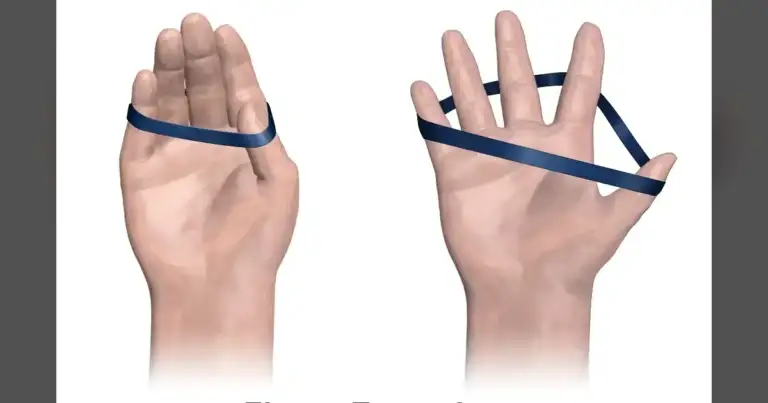

Forget complex brain teasers. A simple, 10-second finger exercise isn’t just a party trick; it could be your first line of defense against dementia and a critical gauge of your neurological health.
This isn’t guesswork. This is about maintaining rock-solid physical and neurological sharpness in a world hell-bent on making you soft.
The Digital Strain on Your Brain and Body
Your hands and fingers are taking a beating, day in, day out. We’re talking hours spent gripping smartphones, hammering away at keyboards, or glued to gaming controllers. This isn’t just a minor ache; it’s causing real, cumulative damage.
This relentless, repetitive strain isn’t just annoying; it leads to what experts call “digital dexterity fatigue.” It’s not just discomfort; it’s inflammation, nerve compression, and a direct path to long-term issues like ‘text thumb’ – that nagging pain at the base of your thumb – or full-blown carpal tunnel syndrome.
Are you really willing to let your primary tools become liabilities?
A critical report from Digital Wellness Monthly in April 2026 sounded the alarm. Their article, “The Silent Strain: How Your Smartphone is Hurting Your Hands,” didn’t pull punches, detailing just how widespread and debilitating these issues have become.
Dr. Elena Rodriguez, a leading occupational health physical therapist, isn’t just recommending preventative action; she’s demanding it.
“It’s not about dedicating an hour to hand therapy,” Dr. Rodriguez explained. “It’s about integrating short, impactful movements into your daily routine. Even 10-second bursts of stretching can make a huge difference in preventing cumulative strain and keeping your hands functional.”
These brief, targeted exercises aren’t just about staving off physical pain. They’re about fortifying the intricate, two-way connection between your hands and your brain – a connection you can’t afford to lose.
Micro-Interventions for Macro Health
The concept of “micro-interventions” isn’t just catching on; it’s becoming essential for anyone serious about their health. These aren’t grand, time-consuming commitments. They’re quick, easy health habits designed to slot seamlessly into even the most jammed schedule.
Modern Lifestyle & Health magazine championed this approach in June 2026. Their piece, “Beyond the Screen: Simple Daily Habits for Hand Health,” wasn’t about radical overhauls; it was about easily executable exercises you can do anywhere, anytime.
Consider it essential maintenance for your body’s most critical tools. Just as you maintain your skin, hair, or car, you absolutely must maintain your hand function. Neglect it, and you’re inviting trouble.
These simple movements aren’t just about preventing stiffness and boosting crucial circulation. They’re a fundamental, non-negotiable part of your overall physical well-being. Think of the cumulative effect of small, consistent efforts.
A landmark study from the Journal of Ergonomic Health, published in late 2025, provided irrefutable evidence. Participants who incorporated brief hand and finger exercises multiple times daily reported significantly less discomfort and demonstrated measurable improvements in dexterity. This isn’t anecdotal; it’s scientific fact.
The study specifically highlighted the raw power of simple actions. We’re talking about movements like fully extending and flexing all fingers, making a loose fist, and gently stretching the thumb away from the palm. Try it now: just a few seconds of focused movement can wake up your hands.
These movements take mere seconds. Yet, they deliver real, tangible benefits that extend far beyond just immediate hand comfort. They’re an investment in your long-term functionality.
The Link to Cognitive Vitality
Let’s be clear: claiming a single finger exercise cures dementia is a bridge too far. But the underlying principle connecting hand health to cognitive vitality? That’s not just sound; it’s foundational. This isn’t some new-age theory; it’s rooted in neuroscience.
Maintaining sharp fine motor skills and dexterity isn’t just “crucial” for neurological health; it’s a direct indicator of it. These abilities don’t just “often decline” as we age; their deterioration is a stark, undeniable signal of broader cognitive changes, often preceding more severe issues. Your hands are a mirror to your mind.
Actively engaging your hands and fingers isn’t just busywork; it’s a direct pipeline to keeping those vital neural pathways firing. It’s a non-negotiable component of supporting overall brain health, absolutely essential for warding off cognitive decline. You wouldn’t let your car engine seize up, would you?
Think of your body as a finely tuned machine. Every single part, especially your digits, plays an integral role in your overall vitality and mental acuity. When one part falters, the whole system suffers.
To neglect your hand health is to actively ignore a critical part of your body that provides constant, invaluable feedback to your brain. It’s not just “a system”; it’s your system, and every component demands attention. Ignore it at your peril.
Make it Part of Your Daily Grind
Integrating these critical exercises into your daily routine isn’t just simple; it’s practically effortless. The proof is in the rapidly growing market of tools designed to help you. Several new apps, launched in early 2026, are leading the charge.
Apps like ‘Handy Health’ and ‘Dexterity Daily’ aren’t just gimmicks. They offer timed reminders and clear, animated guides for quick stretches. They’re built for the modern man who doesn’t have time for fluff.
These platforms often feature “10-second challenges” or “minute-long sequences” – perfectly designed to fit easily into any schedule, whether you’re between meetings, waiting for coffee, or just taking a quick break from the screen. No excuses.
Even forward-thinking employers are catching on. Smart companies are actively building these micro-breaks into their digital wellness policies, not just out of goodwill, but because it makes hard business sense.
They know it dramatically cuts down on debilitating repetitive strain injuries (RSIs) among office workers, which in turn boosts productivity and slashes healthcare costs. It’s a win-win, driven by cold, hard data.
Workplace Wellness Quarterly, in its May 2026 issue, dedicated an entire feature to these “Micro-Exercise Programs.” Their conclusion was unequivocal: these programs are effective precisely because they are simple, brief, and consistently applied.
The takeaway for you, the modern man, is crystal clear: your hands are not just tools for work or play. They are vital indicators and active contributors to your overall health, including the sharpness of your cognitive function. Ignore them at your own intellectual peril.
Stop making excuses. Don’t wait for the pain to become chronic, or for the cognitive decline to become undeniable. Take 10 seconds, move your fingers with purpose, and invest in a future where your mind and body stay sharp. The choice is yours. Make it count.
Source: Google News