

THE EDIT:
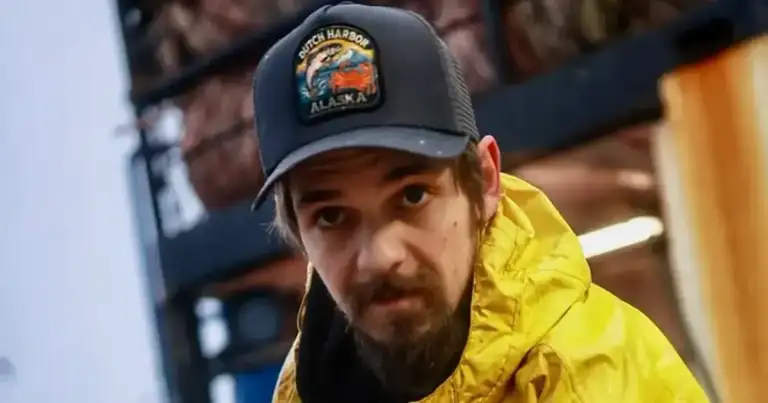
- Todd Meadows died tragically at 25, falling overboard on Deadliest Catch.
- The show’s pursuit of “reality” led to a preventable death.
- This isn’t entertainment; it’s a dangerous workplace exploited for ratings.
Deadliest Catch Death: Another Young Man Sacrificed for TV Ratings
Another young man is dead, and this time, it’s Todd Meadows, just 25, who perished while filming Deadliest Catch. This isn’t a tragic accident; it’s a monumental failure of safety protocols, a predictable outcome when entertainment trumps human life.
Meadows, a rookie deckhand on the Aleutian Lady, fell overboard on February 25, 2026. This happened in the brutal, unforgiving expanse of the Bering Sea, approximately 170 miles north of Dutch Harbor, Alaska. He was only 25 years old, with a lifetime ahead of him.
- Meadows was inside a crab pot when it went over the side—a horrifying detail that screams negligence.
- Water temperatures were below a bone-chilling 40°F. Survival in such conditions is measured in minutes, not hours.
- Rescue crews recovered him within 10 minutes, but it wasn’t enough.
- Despite their desperate efforts, he could not be saved.
- Meadows leaves behind a wife and three young children, whose lives are now irrevocably shattered.
The official cause of death confirms what any rational observer already knew: cold water exposure was fatal. But the clinical diagnosis misses the point entirely. The real, underlying cause is the relentless, insatiable pursuit of “reality” TV drama, where danger is not a warning sign but a selling point.
The Illusion of Reality, The Reality of Death
Deadliest Catch doesn’t just sell danger; it weaponizes it. They want you to believe these men are modern-day heroes, battling the elements in an epic struggle for survival. They’re also workers, pushed to their absolute physical and mental limits for our entertainment. This constant pressure doesn’t just push boundaries; it shatters safety protocols, leading directly to tragedies like this one.
How many more lives will be sacrificed on the altar of ratings before Discovery Channel finally acts? This isn’t merely a fishing boat; it’s a high-stakes film set, one that has amassed a horrific safety record. When will the network acknowledge their complicity?
Why Are We Still Watching This Bloodsport?
The show thrives on peril. Every close call, every monstrous storm, every harrowing near-death experience isn’t just content; it’s a ratings boost. When a young man dies, it’s not a wake-up call for the network; it’s a grim, macabre ratings bump. It’s sensationalism at its most exploitative.
This isn’t about celebrating the Alaskan crab industry or the grit of its fishermen. It’s about shamelessly exploiting it. It’s about profiting from the very real, life-threatening dangers these men face daily. And now, one of them, Todd Meadows, paid the ultimate price. Is this the kind of “entertainment” we, as an audience, truly demand?
“He was inside the crab pot when it fell overboard,” said deckhand Trey John Green III, his voice reportedly still haunted by the event. “We heard screams. We pulled him out, but it was too late.”
This quote doesn’t just chill me; it freezes me to the bone. Imagine the sheer terror, the claustrophobia, the icy grip of the Bering Sea as you’re trapped, helpless. It’s a nightmare made real, and it happened on camera.
The Cost of “Authenticity”
Networks love to claim they can’t interfere with the “authenticity” of the fishing operation. This is not just disingenuous; it’s a flat-out lie. They control the cameras, the edits, the narrative, and crucially, the budget. They absolutely could demand stricter safety protocols. They could mandate stand-down orders when conditions are too dangerous. They could pull the plug on filming when common sense dictates. But they don’t.
Why the inaction? Because the risk sells. The raw, unfiltered, brutal struggle against nature is their premium product. And the ultimate struggle, the one that guarantees maximum viewership, it seems, is death. Is this truly what we, the audience, crave from our entertainment? To witness people die for a show? To celebrate “gritty reality” when it leads to such devastating, real-life tragedy?
Who Is Accountable for This Preventable Death?
The show’s producers, the network executives, the boat owners—they all profit handsomely from this dangerous spectacle. They all bear a moral and ethical responsibility. Where is the accountability for Meadows’ death? Will there be genuine, transparent investigations, or will this tragedy be conveniently swept under the rug as “part of the job” in a dangerous industry? This isn’t a random, isolated event. It’s a disturbing pattern. The fishing industry is inherently dangerous, yes. But adding cameras, the pressure of a TV schedule, and the relentless pursuit of “drama” doesn’t just make it dangerous; it makes it deadly.
We must demand better. We must demand safety over spectacle. We must stop glorifying preventable deaths as mere entertainment. Todd Meadows was a young man with a future, a wife, and three children who deserved to have their father come home. His death is not entertainment. It is a profound, searing tragedy that should never have happened. We owe him more than fleeting headlines and a moment of silence. We owe him, and every other worker exploited for ratings, systemic change and an unwavering commitment to safety.
Source: Google News


Joe Rogan: “My bad, folks. I got it wrong.