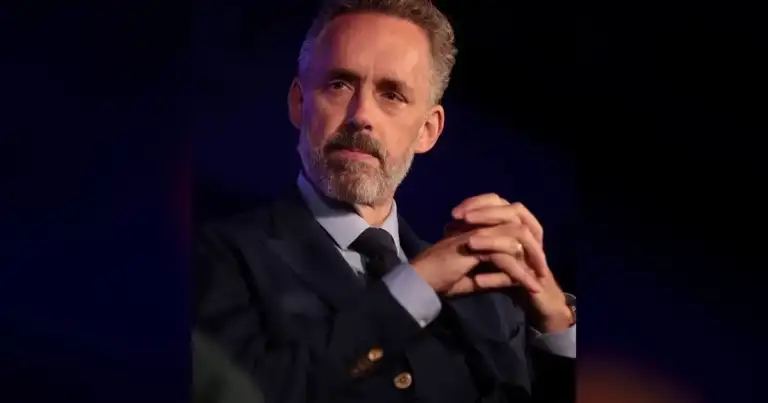

Jordan Peterson’s health isn’t just a topic of discussion; it’s a relentless public spectacle. Despite no fresh crisis, the internet buzzes and headlines rehash his “living hell” and “overwhelming pain.” These aren’t new developments, but echoes of his brutal 2019-2020 ordeal, a trauma that refuses to fade from public memory, especially when talks of a ‘$50m estate’ are involved.
The Lingering Shadow of Past Torment
Peterson’s past health crisis was no minor blip; it involved severe benzodiazepine withdrawal, a medically induced coma, and a grueling recovery. This profound physical and mental breakdown nearly claimed him, leaving an indelible mark that fundamentally alters brain chemistry and physical resilience. The public’s continued speculation isn’t just morbid curiosity; it’s an uncomfortable acknowledgment that such wounds scar, visibly and invisibly.
When a man battles such an internal war, external signs are undeniable: chronic stress and withdrawal manifest in visible ways. Skin loses vibrancy, hair thins, and a general weariness emerges that no cosmetic camouflage can hide. For men who dismiss mental health as separate from physical well-being or basic grooming, Peterson’s journey is a grim lesson in interconnectedness.
Wealth, Scrutiny, and the Unseen Battle
The ‘$50m estate’ detail is a classic red herring designed to distract, implying wealth insulates one from suffering. Money buys comfort and medical care, but cannot erase the physical and psychological damage of severe illness or chronic stress. For public figures like Peterson, wealth often brings relentless scrutiny, turning every perceived weakness into fodder for millions.
His intellectual output, constant travel, and relentless criticism create a high-wire act few could sustain even in peak health. Layering a past health catastrophe onto this demands superhuman resilience. For the average man, the takeaway is simple: neglect your mental and physical health, and no financial security will save your skin, hair, or sanity.
For men who dismiss mental health as separate from physical well-being or grooming, Peterson’s journey is a grim lesson in interconnectedness.
Red Marker Verdict: The Perpetual Spectacle
The “friends pointing fingers” about the ‘real cause’ is a cynical ploy to keep the pot boiling, despite the true cause of his past decline being widely reported: severe benzodiazepine withdrawal. This “living hell” narrative persists because Jordan Peterson is a lightning rod, his struggles humanizing him to followers and serving as a weapon for detractors. His health, tragically, becomes a proxy battleground in ideological warfare.
The underlying motive for this constant rehashing is content and engagement, a perpetual motion machine where personal suffering becomes grist for the influencer economy. The public’s attention, whether genuine concern or schadenfreude, is a valuable commodity ripe for monetization. As long as Peterson remains polarizing, his struggles will be dissected and exploited; suffering sells, and the show, it seems, must always go on.
Source: Google News