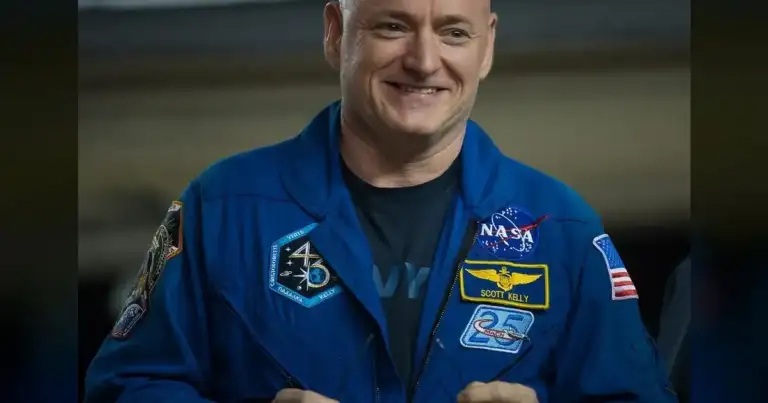

This “beauty routine for astronauts” headline isn’t just a joke; it’s a cynical distraction from the brutal reality of space. The public isn’t stupid; they see through this corporate fluff for what it is: a desperate grab for clicks, ignoring the genuine challenges of orbital living.
The truth is, personal care in orbit is about survival, not vanity. Astronauts battle dry air and microgravity, where every drop of water is a precious commodity. This isn’t a spa day; it’s a mission, and prioritizing anything less than essential hygiene is a dereliction of duty.
The Harsh Reality of Space Grooming
Forget your 10-step skincare routine. In space, you get “no-rinse” shampoo and wet wipes. That’s it. Water is recycled with meticulous precision, and every gram is accounted for.
There’s no running tap for a luxurious hair wash, no endless stream for a refreshing shower. The idea of a “beauty routine” in this environment is frankly absurd.
Women astronauts use a tiny bit of water from a pouch. They scrub with “no-rinse” products, then meticulously towel-dry. It’s slow, it’s painstaking, and it’s critical for preventing floating water from short-circuiting vital equipment.
This is about maintaining basic hygiene and operational integrity, not looking Instagram-ready for a zero-G selfie.
Skincare is equally basic. Moisturizers are used to combat the aggressively dry cabin air. Sunscreen isn’t needed inside the International Space Station (ISS), but radiation protection, while crucial, isn’t a beauty product.
Astronauts consistently report issues like dry skin and chapped lips. It’s a harsh environment, and their bodies bear the brunt of it.
Makeup is a rare indulgence. Some astronauts bring minimal items, primarily for official broadcasts or public appearances. Applying it is a challenge in itself; powders float everywhere, making stick formulas the preferred choice.
There’s no “glam squad” up there; it’s all self-applied, often with more frustration than finesse.
The PR Machine vs. Real Science
Recent chatter about personal care in space isn’t about glamor; it’s about psychological well-being. Long-duration missions, like those planned for the Artemis program’s lunar stays and future Mars expeditions, necessitate effective, resource-efficient hygiene.
This isn’t about vanity; it’s about maintaining sanity and resilience in extreme isolation.
A recent article in a reputable science journal underscored this, highlighting the profound mental impact of personal care routines. It’s about feeling human, maintaining a sense of normalcy, and bolstering resilience in an environment designed to strip you of both.
This is the legitimate scientific discussion.
But the public isn’t buying the “space beauty” narrative. They see it as a transparent distraction, a corporate smokescreen. Remember the infamous 2020 ISS stunt? Serums priced at $105 each were flown up for photo-ops, not for actual astronaut use.
Federal employees are prohibited from endorsing commercial products, making it an undeniable PR farce. As Reuters reported at the time, the optics were terrible, and the message was clear: NASA was dabbling in marketing stunts.
A Reddit user, fed up with the blatant misdirection, summed it up perfectly: “Why tf are we launching makeup when toilets cost $23M? Prioritize pissers over influencers.” This comment, which garnered over 5,000 upvotes, speaks volumes about public sentiment.
People are not just fed up; they’re actively hostile to this kind of corporate-driven, superficial narrative.
The Cynical Take: What’s NASA Hiding?
This relentless push for “beauty in space” feels like a corporate sell-out, a desperate attempt to monetize the final frontier. It’s “NASA selling out to Estée Lauder,” a “psyop to normalize space tourism for Karens.”
What’s next, a Sephora on Mars? Give me a break. The blatant commercialization cheapens the monumental scientific endeavor.
The #SpaceGlowInTheDark trend on X (formerly Twitter) perfectly captured the public’s derision. “Microgravity molts your skin like a snake? Cool, but that’s code for ‘buy our anti-aging cream tested on orbit guinea pigs.'”
This isn’t about advancing science; it’s about cynical marketing, plain and simple.
Astronaut Rhea Seddon, a true pioneer, packed makeup not for dating, but for chapped-skin survival. Yet, headlines consistently twist this into a narrative of vanity, all for the sake of clicks, not cosmos.
The “beauty industry” has little legitimate place in space. Resources are too scarce, and every item must justify its weight and volume. Astronauts must pare down their routines to the absolute essentials, which starkly highlights what we take for granted on Earth—like abundant water.
Lessons from the Void: True Innovation
The real innovation in space hygiene isn’t in luxury products; it’s in water conservation, in multi-functional products designed for health and mental well-being, not for looking good for a selfie.
These are the advancements that truly matter, driving efficiency and sustainability.
Samantha Cristoferetti from the European Space Agency articulated the reality with brutal honesty:
“Washing your hair in space is a project. You have to be very careful with the water. It’s not like you just turn on the tap.” — Astronaut Samantha Cristoferetti, European Space AgencyThis isn’t glamorous; it’s hard work, a testament to the ingenuity and discipline required to simply exist in orbit.
NASA’s actual, legitimate focus is on crew health and mission success. Hygiene is critical, and they are actively seeking innovative, resource-efficient solutions, not luxury items.
Dr. Elena Petrova, a lead researcher in space psychology, rightly highlighted the psychological aspect: “The psychological impact of maintaining personal care routines in isolated, confined environments like space is profound. It’s not about vanity; it’s about mental resilience and a sense of self.” This is the real story, the one that deserves our attention.
What We Should Be Asking
Instead of superficial fluff, we need to ask critical questions. What are the most effective “no-rinse” formulas? How do we address the diverse needs of different hair and skin types in space? Are there truly inclusive solutions for all astronauts?
What are the long-term effects of limited washing on skin and hair health? These are the questions that genuinely matter for the future of space exploration.
Are there studies on how a truly “luxurious” personal care routine might impact astronaut morale, and is that impact worth the resource cost? What is the carbon footprint of these specialized products, and how do they align with our broader environmental goals?
These are the real issues that affect future missions and the nascent space tourism industry. This isn’t about makeup tips for zero-G. It’s about the raw, unvarnished truth of living in space. It’s about survival, mental fortitude, and the brutal efficiency required to push humanity further. Anything else is just noise, a distracting sideshow from the profound challenges and triumphs of space exploration.
Photo: Photo by NASA’s Marshall Space Flight Center on Openverse (nasa) (https://www.flickr.com/photos/28634332@N05/24991060184)
Source: Google News