
America is not just a participant; it’s an accomplice in a high-stakes, ruthless game of geopolitical chess. Israel, with the full backing of the United States, has declared open season on Iran’s leadership, vowing to hunt them down “one by one.” This isn’t some diplomatic posturing; it’s a targeted decapitation strike against the mullahs, and the first head has already rolled.
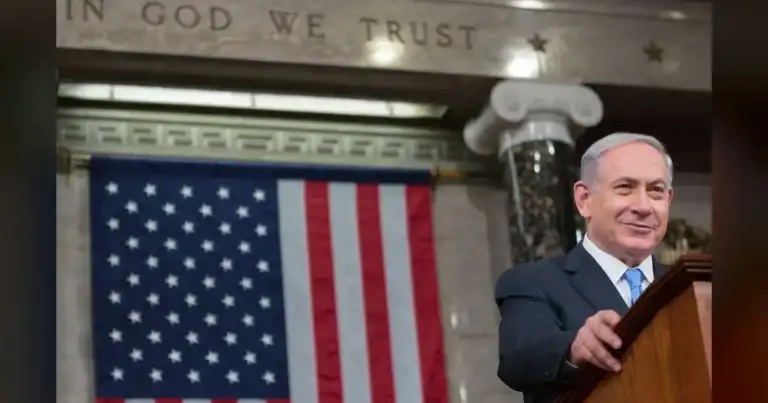
The hard facts are brutal and undeniable. An IDF airstrike in Tehran obliterated IRGC intelligence chief Hossein Salami. This wasn’t some random act of violence; it happened mere hours after Israel’s Prime Minister Benjamin Netanyahu, with a steely resolve, declared a new, far more aggressive phase of engagement. His promise to eliminate Iran’s entire leadership structure isn’t a threat; it’s a chilling mission statement, executed with precision.
The Great Purge Commences
This audacious attack didn’t come out of nowhere. Tensions have been simmering, then boiling, since February 28, 2026, when the United States and Israel launched coordinated military strikes against Iran. The current conflict isn’t just raging; it’s escalating at a terrifying pace. The Strait of Hormuz remains a flashpoint, a powder keg waiting for a spark. Now, Israel has upped the ante, aiming squarely at the very top of the Iranian power structure. Salami’s death isn’t just a casualty; it’s a clear, unequivocal signal: no one in the IRGC leadership is safe. The gloves are off, and the hunt is on.
While the West grapples with the implications, Iranian dissidents are, quite frankly, ecstatic. Social media platforms are ablaze with triumphant messages. “Thank you, Netanyahu!” screams one comment on Iran International, a sentiment echoed by countless others. They don’t see Israel as an aggressor; they see them as liberators. The pervasive belief is that 80-90 million Iranians secretly approve of these strikes, yearning for the ultimate prize: a direct hit on the Supreme Leader himself. Videos circulating online show jubilant Iranians, their voices ringing with defiance, calling for widespread street protests and nationwide strikes. Their singular, burning desire is to topple the “murderous terrorist Islamic Republic.” The thinly attended funerals for IRGC naval boss Alireza Tangsiri earlier this year were a stark indicator of the regime’s crumbling support. The people are not just fed up; they are actively seeking its demise.
Is This a Masterfully Scripted War?
But let’s be honest, not everyone is buying the official narrative. A chorus of Western skeptics is raising a collective eyebrow, and their voices are growing louder across YouTube comments and X threads. “This is too scripted,” one user writes, their cynicism palpable. “IRGC spokesguy ‘martyred’ minutes after defiant missile boasts? It just feels a little too neat, doesn’t it?” The question hangs in the air: are these deaths truly real, or is this all an elaborate show, a macabre performance for a global audience?
Sarcastic theories abound, each more provocative than the last. “Iran staging deaths for sympathy,” one theory posits, suggesting the regime is attempting to rally domestic and international support through manufactured martyrdom. Or, perhaps, the puppet masters are Israel and the US, flexing “deep-state theater” to justify an endless war machine? The whispers persist, fueled by the recent resignation of the former counterterror chief under President Trump, who boldly blasted the war, claiming it was “started due to Israel lobby pressure” and that Iran “posed no threat.” While President Trump dismissed him as “weak on security,” the seed of doubt has been planted and continues to sprout. The cynics are piling on, pointing out the grim tally: “1,340 dead since Feb 28,” they highlight, adding, “Khamenei ‘eliminated,’ yet drones flop against Iron Dome?” They argue it “smells like controlled escalation.” For what purpose? Skyrocketing oil prices? The insatiable appetite of the military-industrial complex? It’s a cynical view, yes, but in this murky geopolitical landscape, can we truly dismiss it as wrong? Some even go so far as to claim that Iranians themselves are feeding the IDF regime patrol spots. “Stockholm syndrome or Farsi-speaking Mossad bots?” they query, underscoring the profound and pervasive distrust that permeates every layer of this conflict.
The Male Loneliness Epidemic and the Lure of War
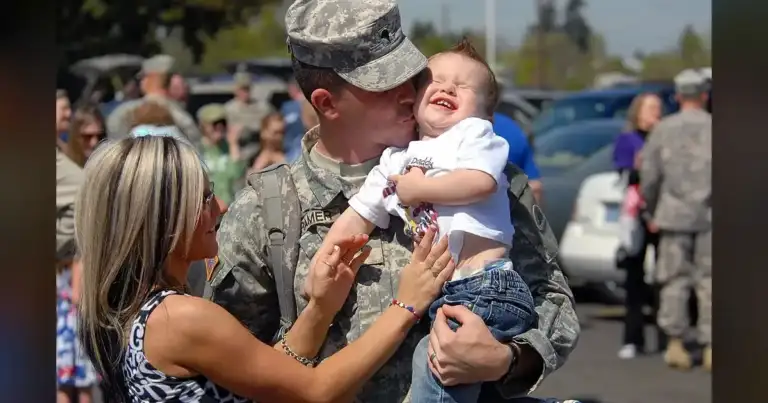
This war, regardless of whether it’s genuine or a meticulously manufactured spectacle, casts a harsh spotlight on a deeper, more insidious societal ill: the male loneliness epidemic. Men, adrift in a world increasingly devoid of traditional purpose, are desperately searching for meaning, for a cause to believe in, for a sense of belonging. War, in its twisted, brutal way, offers precisely that. It provides a cause, a flag to rally behind, a tangible enemy to fight. Is it any wonder, then, that recruitment numbers are soaring? Young men, hungry for something to believe in, for a brotherhood that transcends the superficiality of modern life, find it in the military. It promises purpose, camaraderie, and a chance to be part of something bigger than themselves.
But at what unconscionable cost? They are being sent to die, often for reasons far removed from their initial ideals. Is it for oil? For the intricate, ruthless chess games played by global powers? Or is it, truly, for genuine liberation? The lines are not just blurred; they are deliberately obscured by a relentless propaganda machine working overtime. Both sides are spewing narratives, each carefully crafted to manipulate perception, making it nearly impossible to discern fact from fiction.
The average man is left in a state of profound confusion. He witnesses the chaos, feels the simmering tension, and grapples with the existential question: should he sign up? Is this his chance for glory, for validation, for a purpose he so desperately craves? Or is it merely a trap, a cynical exploitation of his primal desire for action, his innate need for belonging? The answers are elusive, the consequences potentially devastating.
What Comes Next?
Israel has made its intentions unequivocally clear. They are not merely striking at the periphery; they are going after the very heads of the snake. This is a game-changer, a seismic shift in the geopolitical landscape. It means the conflict will not only intensify but also expand, spilling more blood, sowing more chaos. The mullahs, cornered and facing an existential threat, will not go down without a brutal, bloody fight. They will retaliate, they will strike back, and their vengeance will be swift and merciless.
The critical question now is, how far will this escalation go? Will this ignite a wider regional war, drawing in other global powers into a conflagration that could engulf the Middle East and beyond? President Trump, now at the helm, must navigate this treacherous minefield with extreme caution and strategic brilliance. The entire world is watching, holding its breath. The price of oil is soaring, the global economy teeters on the brink, and the stakes could not be higher.
This isn’t just about geopolitics and power plays. It’s about the accelerating erosion of trust, the insidious manipulation of information, and the tragic reality of men being used as pawns in a game far beyond their comprehension. It’s time to wake up, to question every narrative, every pronouncement, every “fact” presented to us. This war is far from over; in many ways, it has only just begun. And the fallout, both immediate and long-term, will affect us all, irrevocably.
Photo: Photo by SpeakerBoehner on Openverse (flickr) (https://www.flickr.com/photos/57209931@N03/16086035514)
Source: Google News