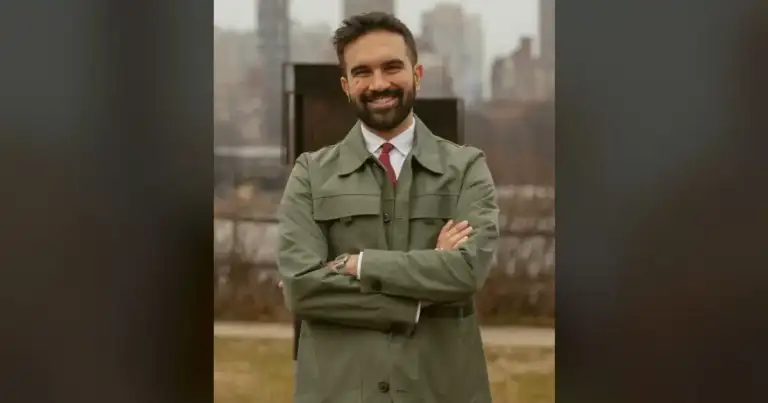

Forget the romanticized grit, the endless possibilities. New York City, the undisputed cultural capital of the world, is on the precipice. Mayor Mamdani’s latest plan isn’t just a policy proposal; it’s a direct assault on the city’s very soul, poised to unleash a devastating wealth exodus that will gut the Big Apple from its glittering heights to its deepest foundations. This isn’t merely about the ultra-rich packing their bags; it’s about a cataclysmic cultural collapse that will silence Broadway, dim the lights on every film set, and shutter the doors of our most cherished galleries.
The London Warning Bell
The whispers in exclusive financial clubs and the hushed conversations on studio lots are growing louder, more frantic. They speak of London, a once-unassailable global capital, now a cautionary tale. Its downfall wasn’t an accident; it was the direct result of punitive policy shifts and an undeniable, hostile anti-wealth sentiment that systematically drove out its most affluent residents. The consequence? A brutal, irreversible hit to London’s luxury market, its vibrant arts scene, and its philanthropic bedrock. New York, a city that prides itself on its global dominance, is now terrifyingly vulnerable to the exact same self-inflicted wound. A 2025 report by Henley & Partners already documented a disturbing slowdown in New York’s high-net-worth individual (HNWI) growth – a trend mirroring London’s catastrophic loss of thousands of HNWIs annually. This isn’t abstract economic theory; it’s a blaring, unmistakable warning siren for the entire entertainment industry, for every artist, and for every New Yorker who cherishes this city’s unique magic.
Where Does Broadway Go Without Big Money?
Let’s strip away the political platitudes and confront the uncomfortable truth: for anyone who truly understands New York’s cultural pulse, the question is not merely simple, it’s existential. If the money vanishes, what becomes of the art? What becomes of us? The glittering spectacle of Broadway, the groundbreaking narratives of high-budget films, the addictive allure of blockbuster TV series – none of these materialize from thin air. They are meticulously crafted, profoundly expensive endeavors, utterly dependent on the visionary private investment and generous patronage of the wealthy. A significant exodus of these individuals won’t just mean ‘less capital’; it means a creative drought, a barren landscape where fewer New York-based productions can take root. Budgets will be slashed, ambitions curtailed, and entire projects will simply evaporate into the ether. As a prominent Broadway producer, who spoke candidly to Variety, lamented:
“Broadway is a huge economic engine for this city, but it relies on big investors and patrons. If they’re feeling unwelcome, where does that leave us?”
Their fear isn’t just real; it’s a chillingly accurate prophecy.
The Crumbling Pillars of Culture
New York’s cultural crown jewels – The Met, Lincoln Center, MOMA – are not, despite what some might wish, publicly funded amusement parks. They are monumental achievements, sustained by the monumental generosity of wealthy donors. To imagine this donor base eroding is to envision the very foundations of these cultural pillars cracking, then collapsing. The cascade is inevitable: savage budget cuts, programming slashed to skeletal offerings, ticket prices soaring beyond reach, and in the most tragic cases, institutions that have defined generations simply locking their doors for good. Can you truly conceive of New York stripped of its iconic museums, its world-renowned orchestras, its vibrant performing arts scene? That is not some distant dystopia; it is the stark, immediate reality Mamdani’s policies promise.
Talent Drain and Empty Stages
For decades, New York has been an irresistible gravitational force, drawing the brightest stars and the sharpest minds: actors, directors, writers, studio executives, all converging here for unparalleled opportunity and a lifestyle unmatched anywhere else. But if this city, through misguided policy, becomes less attractive, less welcoming, less aspirational, they will not hesitate to depart. Miami’s sun-drenched shores, the sprawling studios of Los Angeles, even the audacious ambition of Dubai – these are not just alternatives; they are already on the radar of those who shape our culture. As a prominent New York-based wealth manager confided to CNBC:
“We’re seeing a definite shift in sentiment among our high-net-worth clients. The discussions about relocating… are becoming more frequent. It’s not just about taxes anymore; it’s about quality of life and the perceived direction of the city.”
This isn’t merely a tax bracket problem; it’s a profound quality-of-life crisis for the very individuals who create the magic we consume. A talent drain doesn’t just diminish New York’s status as a creative hub; it amputates it, ensuring the quality and sheer volume of entertainment produced here will plummet into irrelevance.
Beyond the Glitz: Job Losses for Thousands
To dismiss this wealth exodus as some abstract problem for the distant elite is to willfully ignore the devastating ripple effect that will crash upon every single New Yorker. The vibrant, sprawling entertainment industry isn’t a standalone entity; it thrives within a sophisticated luxury ecosystem. Think of the Michelin-starred restaurants, the exclusive members’ clubs, the designer boutiques, the bespoke services – all fueled by the very individuals Mamdani seems determined to repel. When the wealthy depart, these businesses don’t just ‘suffer’; they wither. Networking opportunities, crucial for career advancement, will vanish. The industry events that spark creativity and commerce will become ghost towns. Fewer productions, a gaping void in philanthropic support, and a catastrophic downturn in the luxury market coalesce into one brutal, unavoidable outcome: mass job losses. We’re not talking about a few layoffs; we’re talking about an entire economic segment collapsing:
- Crew members will find their livelihoods evaporated.
- Stagehands, the unsung heroes of every show, will stand idle.
- Ushers will face empty theaters and empty pockets.
- Musicians, the heartbeat of our city, will struggle to find a single gig.
- Chefs and the countless service industry workers who cater to this vibrant economy will stare down unemployment.
Thousands upon thousands of New Yorkers, the backbone of this city, depend on the thriving entertainment and hospitality sectors. Mayor Mamdani’s shortsighted, punitive policies are not just a threat to the rich; they are a direct, existential threat to the livelihoods of our working class.
The Real Price of “Equity”
Mamdani’s cheerleaders will parrot their tired rhetoric about creating a ‘more equitable city.’ But let’s be brutally honest: what kind of ‘equity’ is achieved by dismantling the very engine of prosperity and culture?
The true cost of this ideological crusade isn’t just financial; it’s the very cultural soul of New York. It’s the vibrant, indefinable energy that makes this city utterly unique, a beacon for the world.
New York’s hard-won brand as the undisputed global cultural capital isn’t merely ‘on the line’; it’s being actively sabotaged. If its creative and financial elite are systematically driven away, that brand will not just be diminished – it will be irrevocably shattered. The city will become a hollowed-out echo of its former glory, a place where the working class, far from finding ‘equity,’ will struggle even more profoundly, because the very engines of opportunity, the vibrant ecosystem that sustained them, will have been deliberately, wantonly destroyed. Is that the New York we want to inherit? Or are we prepared to fight for the city we deserve?
Photo: Kara McCurdy Photography 2024
Source: Google News