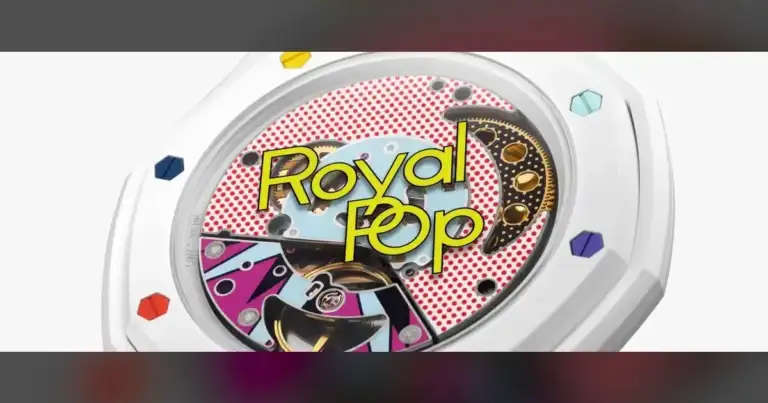

Forget the hushed galleries and velvet ropes of traditional haute horlogerie. The latest Swatch and Piaget watch drop didn’t just turn retail into a full-contact sport – it ignited a riot. We’re talking queues stretching blocks, stores being mobbed, and a frenzy proving that raw hype still absolutely dictates the luxury market, even when the price tag is surprisingly accessible.
The scene isn’t just chaotic; it’s clear proof of consumer desire. From Tokyo to New York, reports confirm massive queues and an almost desperate demand. Shoppers aren’t just wanting this latest collaboration; they’re obsessed with owning a piece of it. It’s a phenomenon we’ve seen before with Swatch, a brand that consistently nails the sweet spot where smart pricing collides with aspirational design.
The Hype Machine Delivers Again
Let’s be clear: this isn’t just about telling time. This is about owning a piece of a story, a tangible slice of an exclusive world that suddenly feels within reach. Piaget, a name synonymous with high-end jewelry, meticulous craftsmanship, and those impossibly ultra-thin movements, brings an undeniable, centuries-old prestige to the table. Swatch, on the other hand, injects its signature playful energy and, perhaps most crucially, its utterly accessible price point.
This combination isn’t just smart; it’s pure genius. While Swatch certainly didn’t invent the brand collaboration, they’ve absolutely perfected the art of the high-low mashup. They don’t just make luxury feel attainable; they make it attainable, even if the price of admission involves battling crowds and flexing your queuing muscles.
The Psychology of the Drop: Why We Crave the Chaos
Why the Frenzy? It’s Simple Math
The answer to this madness isn’t purely horological; it’s deeply psychological. Humans are wired to crave exclusivity, to desire what others can’t easily obtain. When a disruptor like Swatch strategically partners with an untouchable name like Piaget, it doesn’t just create a watch; it ignites instant collector appeal and a cultural moment.
- Aspirational Design: Piaget’s heritage infuses a sense of high fashion.
- Accessible Price: Swatch makes it affordable for many.
- Limited Availability: Scarcity drives demand through the roof.
Make no mistake, this isn’t some accidental success. This is a meticulously executed playbook Swatch has refined over time. Their MoonSwatch launch, a game-changing collaboration with Omega, was an absolute masterclass in controlled chaos. It proved the formula works: lineups snaked around blocks, resale prices for those initial drops soared into the stratosphere, and the buzz was deafening. This latest Piaget drop? It’s following the exact same, wildly successful script.
What This Means for Your Wrist
So, what does all this mean for your wrist? For the average guy who just wants a cool, solid watch without the drama, this frenzy is undeniably a mixed bag. On one hand, it brilliantly highlights a crucial truth: great style and genuine watchmaking don’t always demand a five-figure price tag. Swatch, time and again, is pushing boundaries and boldly challenging the archaic norms of traditional luxury.
But here’s the rub: actually getting one of these coveted pieces requires serious dedication. You need to be fast, you need to be lucky, and you absolutely need to be willing to brave the crowds – think Black Friday, but for your wrist. Is the thrill of the chase, the story you get to tell, part of the appeal? Without a doubt. For many, the journey is as valuable as the destination.
“Swatch has cracked the code on making luxury feel like a street-level event,” observed one industry insider. “They’re selling more than watches; they’re selling the thrill of the hunt.”
This isn’t just about selling watches; it’s about democratizing a certain level of design and making the exclusive accessible. It throws open the doors for a wider audience to actively participate in the often-intimidating world of horology. And let’s not forget, it’s an incredibly smart strategic move for Piaget, boldly stamping their illustrious name onto the radar of an entirely new generation of potential high-end customers.
The Long Game of Hype
Ultimately, Swatch isn’t just moving units; they’re masterfully selling an experience, a feeling. They sell the thrill of being in on something genuinely big, the satisfaction of landing a killer deal on a piece that looks, and feels, far more expensive than it is. This shrewd, repeatable strategy is precisely what keeps them not just relevant, but dominant, in an increasingly crowded and competitive market.
And make no mistake, this phenomenon forces every other watch brand, from micro-brands to the titans of Geneva, to sit up and pay serious attention. The once-rigid lines between affordable fashion and true luxury are blurring faster than ever. Brands are finally waking up to the undeniable truth: that potent blend of genuine hype, strategic scarcity, and a genuinely solid product can generate absolutely incredible, market-shaking results.
So, the queues, the clamor, the online chatter – it’s not just for the watch itself. It’s for the story you’ll tell, the instant bragging rights, the undeniable thrill of being part of a genuine cultural moment. Swatch, time and again, proves they are not just players; they are absolute masters of this high-stakes game.
Photo: Wikimedia Commons (query: Piaget)
Source: Google News