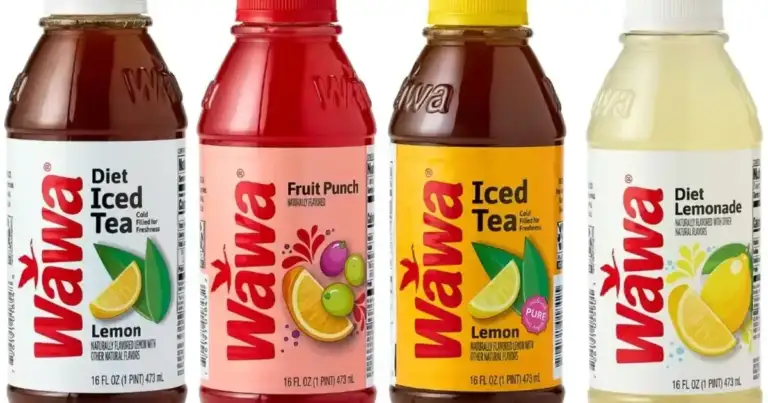

Wawa’s latest beverage recall isn’t a crisis; it’s a colossal joke, a masterclass in corporate panic. Anyone screaming “life-threatening” needs a serious reality check. This isn’t about public safety; it’s about a company tripping over its own feet and the media gleefully hyping every stumble.
The U.S. Food and Drug Administration (FDA) announced an “urgent” recall of certain Wawa-brand beverages. Why? Because of an undeclared ingredient: milk allergens. These were found lurking in products that, according to their labels, shouldn’t have been anywhere near dairy. This isn’t a bioterrorism plot; it’s a labeling screw-up.
This recall, which Wawa initiated on April 3, 2026, has impacted Wawa-branded drinks sold in 196 stores across Pennsylvania, Delaware, Maryland, New Jersey, and Virginia. Products with “Best By” dates stretching all the way into May 2026 were included. They had plenty of time to figure this out.
Wawa’s “Life-Threatening” Milk Scare: A PR Farce
Let’s slice through the corporate jargon and get to the truth. The internet is already tearing apart this “life-threatening” warning for the absolute nonsense it is. “Undeclared milk” in a fruit punch? Are we seriously supposed to believe this is akin to a biological weapon?
One comment on r/philadelphia, which racked up an impressive 1.2k upvotes, perfectly encapsulated the public’s sentiment: “Life-threatening for who, lactose-intolerant snowflakes?” This isn’t a deadly virus outbreak; it’s a mislabeled ingredient, plain and simple. The public isn’t just skeptical; they’re outright rejecting the hype.
Here’s the kicker: there are precisely zero reported illnesses. Not a single person has gotten sick. Yet, we’re being told this is “urgent.” Why the theatrical, fear-mongering language if not a single soul has been harmed? It reeks of a carefully orchestrated performance, a desperate attempt to appear proactive when, in reality, it’s likely a reactive scramble.
The Equipment “Oopsie” and the Whispers of Cost-Cutting
Online, the armchair detectives are having a field day dissecting Wawa’s monumental “oopsie.” The prevailing theory? Cost-cutting measures gone horribly wrong. A viral X thread, which garnered an astonishing 8k likes, didn’t pull any punches, suggesting Wawa might have swapped “real fruit for milkshake runoff” in a cynical bid to boost profits.
This isn’t just typical internet cynicism; it’s a stark reflection of the deep-seated distrust consumers harbor towards corporations. When companies cry wolf, people instinctively look for the real motive behind the theatrics. Could Wawa’s equipment truly be so poorly maintained that it cross-contaminates beverages with milk?
Or is this just a convenient scapegoat, a way to deflect blame from deeper systemic issues? The convenience store sector is already facing “increased scrutiny” on food safety. This recall, whether intentional or not, plays directly into that narrative, placing Wawa, a major player, squarely under the microscope. It makes you wonder: if they can’t handle a little milk, what else are they overlooking?
April Fools in April? The Conspiracy Theories Run Wild
The timing of this recall, hitting the headlines on April 3, 2026, just days after April Fools’ Day, is not lost on the internet. “April Fools on April 3? Wawa testing loyalty before summer slushie season,” one user sarcastically speculated. This isn’t just about a few mislabeled beverages; it’s about Wawa’s carefully cultivated image, now teetering on the edge of ridicule.
A TikTok conspiracy video, which has already racked up a staggering 500k views, boldly claims this entire recall is nothing more than “performance art to virtue-signal allergen awareness.” The video, brilliantly remixing FDA press conference footage with unsettling clown music, perfectly highlights the sheer absurdity of the situation. Why, pray tell, would you recall something “undetectable” if it were truly dangerous? It’s a question that echoes across social media, challenging the official narrative.
The Real Danger: Eroding Trust, Not a Drop of Milk
Let’s be crystal clear: the actual danger here isn’t a minuscule amount of milk in a drink. The true threat is the insidious erosion of public trust. When regulatory bodies and corporations resort to hyperbolic, fear-mongering language for what are, in essence, minor administrative blunders, they desensitize the public to genuine threats.
This “urgent” recall, completely devoid of any reported illnesses, only breeds cynicism. It makes people question every future warning, every dire pronouncement. Food safety is paramount, absolutely. But to scream “life-threatening” over undeclared milk when not a single person has fallen ill is a profound disservice to the public and to the very concept of food safety. It trivializes legitimate food safety crises.
It makes consumers roll their eyes rather than pay attention when a real danger emerges. We need to save the panic buttons for actual emergencies, not for corporate blunders that are more embarrassing than dangerous. “Wawa’s been poisoning us with hoagies for decades—this is progress,” one Reddit comment sarcastically noted. This sentiment, dripping with cynical humor, perfectly captures the public mood. It’s a collective shrug, not a shriek of terror.
The FDA’s active role in product recalls is undeniably vital. But this particular situation stretches credibility to its breaking point. Convenience stores are under a “heightened focus” on food safety, and Wawa’s response here does absolutely nothing to inspire confidence. It feels less like a responsible company safeguarding its customers and more like a corporate giant frantically covering its own backside.
Supply Chain Woes and the Perennial Blame Game
Let’s not forget the ever-present specter of supply chain disruptions. This could very well be a contributing factor. “Alternative suppliers” might introduce new, unforeseen risks into the equation. But here’s the deal, Wawa: you own your supply chain. Blaming external factors won’t cut it when your brand, your reputation, and your customers’ trust are on the line.
The industry’s focus on “new technologies for rapid pathogen detection” is commendable, a sign that they’re at least trying. But if a simple milk allergen can slip through the cracks, what does that say about the efficacy of these supposedly “advanced technologies”? It raises serious questions about the gap between technological ambition and operational reality.
The Bottom Line: A Storm in a Sippy Cup
This Wawa beverage recall is, unequivocally, a storm in a sippy cup. It’s a minor blunder, an embarrassing corporate oversight, amplified into a faux crisis by overzealous PR and a hungry media. The public, thankfully, sees right through it. They’re not panicking; they’re mocking.
Wawa needs to ditch the PR theatrics and get back to basics: real, tangible quality control. And the FDA? They need to save their “life-threatening” warnings for actual, verifiable dangers. Otherwise, when a true crisis hits, when lives are genuinely at stake, no one will be listening. The credibility well is not bottomless, and Wawa, along with the FDA, is dangerously close to draining it dry.
Source: Google News