
America’s Largest Winemaker Pulls a Staggering Pivot to Survive a Humiliating 15% Sales Collapse
Constellation Brands just threw in the towel on traditional wine. Their new hybrid wine-beer concoction isn’t innovation—it’s a frantic grasp at relevance in a market that left wine behind years ago. This is survival mode, not strategy.
Constellation Brands owns powerhouse labels like Robert Mondavi, Kim Crawford, and Meiomi, yet their wine division’s revenue cratered by a staggering 15% year-over-year. For a company that once commanded the American wine market, this is nothing short of a crisis.
In a stunning announcement on April 7, 2026, Constellation unveiled a bold pivot: launching hybrid beverages mixing wine and beer, and aggressively courting younger audiences through sponsorships of music festivals and esports tournaments—territories they barely touched before.
- Stock market reaction: Shares had already plunged 8% in the week leading up to the announcement, then clawed back just 4% afterward.
- Market opportunity: According to company projections, hybrid wine-beer drinks could grow at a robust 12% annually over the next five years.
Why This Is a Survival Play, Not a Game-Changer
Wine isn’t just facing a sales slump; it’s losing cultural relevance, especially among Millennials and Gen Z. These generations are flocking to hard seltzers, craft beers, and no-alcohol mocktails. Traditional wine? It’s become yesterday’s news, a relic of a fading era.
CEO Bill Newlands admitted bluntly,
“Our new hybrid line is not just a product innovation; it’s a statement about where the future of beverage consumption is headed.”
But is this really a vision for the future, or just a lifeline thrown to a sinking giant?
Industry analyst Sarah Kim doesn’t mince words:
“This move is risky but necessary. The wine category has been shrinking steadily, and Constellation is trying to redefine itself before it’s too late.”
The question is—can they pull it off, or are they just delaying the inevitable?
Winners, Losers, and the Forgotten
- Winners: Younger consumers hungry for novelty might embrace these hybrids. Shareholders could see a rebound if sales pick up.
- Losers: Wine purists watching their cherished brands sidelined. Employees tied to legacy wine lines face painful layoffs. Smaller wineries are getting squeezed even harder as Big Wine consolidates power.
- Ignored: The small vintners and grape growers, quietly suffering as the industry giants reshape the landscape without them.
Public Backlash Lays Bare the Wine Industry’s Slow-Motion Collapse
Online reaction has been merciless. Reddit threads and wine forums mock Constellation’s hybrid push as a desperate attempt to mask a decade of missteps. Critics call out the company for flooding shelves with cheap, uninspired wines, ignoring the seismic shifts driven by health trends, post-COVID sobriety, and younger generations’ evolving tastes.
One Reddit user summed it up brutally:
“Gallo’s been pushing jug wine forever—this is just Darwinian cull time.”
Another commenter nailed the bigger picture:
“This isn’t a hiccup; it’s a slow-motion collapse, made worse by executives chasing trends instead of quality.”
On X (formerly Twitter), so-called “wine bros” pivoting to direct-to-consumer tastings are roasted as desperate hustlers. Meanwhile, grape growers describe the current market as a “bloodbath worse than Prohibition-lite.”
There are conspiracy theories floating about Big Wine engineering the slump to crush smaller players, but the truth is simpler and harsher: America’s taste has moved on, and wine failed to keep pace.
The Future of Wine: Reinvention or Ruin?
Constellation’s gamble is a clear warning sign. If their hybrid beverages succeed, expect other big players to abandon tradition and chase gimmicks. If they fail, it could speed up wine’s decline, handing the crown to craft beers, hard seltzers, and non-alcoholic drinks.
The real challenge? Can century-old wine brands reinvent themselves without losing their soul? Or are we witnessing the birth of a watered-down industry, chasing fleeting youth trends at the expense of authenticity?
This isn’t just a product launch—it’s a fight for survival. Constellation Brands’ bizarre last-ditch pivot tells the story of a giant stumbling to keep up with a rapidly changing market—too slow, too late, and too confused about what today’s drinkers actually want.
For both consumers and investors, buckle up. The wine world you once knew is cracking, and what fills the void might look nothing like the past—whether you embrace it or resist.
So, is this the dawn of wine’s rebirth or its final curtain call? One thing is certain: the stakes have never been higher.
“Wine isn’t just a drink, it’s a culture. Can that culture survive this scramble for relevance?” — Victor Reeves
—
Explore how shifting tastes disrupt entire industries over at DailyNewsEdit.
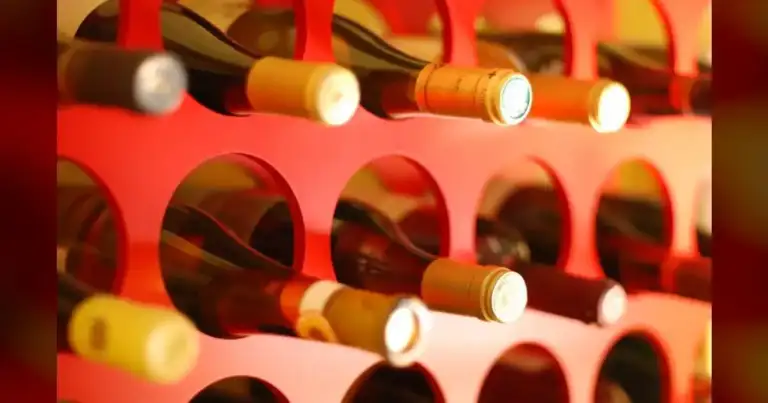
Photo: Photo by Joe Shlabotnik on Openverse (flickr) (https://www.flickr.com/photos/40646519@N00/2294658165)
Source: Google News