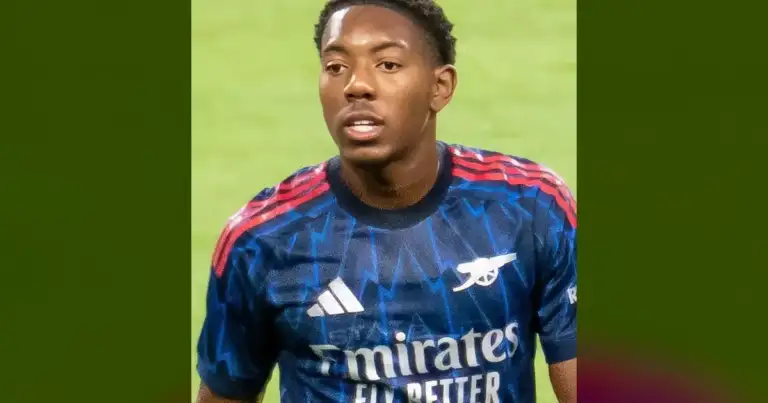

Mikel Arteta just admitted he might have made a wrong decision on Myles Lewis-Skelly, and the internet exploded. This isn’t just about a player; it’s about the ever-present hypocrisy in top-flight football.
The Arsenal boss opened up about the young midfielder. Lewis-Skelly, a highly-rated talent from Arsenal’s own Hale End academy, left the club in the summer of 2023. He made the switch to Southampton, a move many saw as a big loss for the Gunners.
Arteta’s admission comes after Lewis-Skelly saw a controversial red card overturned. The decision meant the young player, now at Southampton, is back for their title push. This timing smells fishy to many fans.
The Toxic Backlash Against Arteta
Fans on social media are not holding back. They are calling out Arteta for what they see as fake humility. The “admission” went viral after the red card rescission. It sparked a firestorm of comments across Reddit’s r/Gunners, Twitter/X, and various Arsenal fan Discords.
Diehard Gooners cheered the red card overturn. They saw it as a win for the kid. But neutrals and rival fans are roasting Arteta. They say he’s just virtue-signaling against ref abuse. One popular X thread, racking up 15k likes, snarked, “He didn’t ‘admit’ shit, he celebrated the overturn while virtue-signaling against ref abuse like he gives a fuck.”
This isn’t new for Arteta. Pundit echo chambers like TalkSport amplify the sentiment. Fans are screenshotting Arteta’s “happy” quote. They put it next to his past ref-bashing history. His post-Newcastle comments are a prime example. Many are branding him a “crybully” who only complains when it suits him.
Is it Regret or Strategy?
The timing of this “admission” is everything. It’s hard to ignore the cynical view. Was this truly a moment of self-reflection? Or was it a calculated move after Lewis-Skelly’s red card was rescinded? It certainly takes the heat off in a strange way.
The public reaction suggests the latter. Sarcastic theories are running wild. Reddit’s r/soccer megathread, with 2k upvotes, even joked about VAR being “Arsenal’s secret weapon.” They claim Lewis-Skelly’s red was “magically flipped” because PGMOL caved. Some even cite alleged fan death threats and a police probe.
Cynics point to perceived favoritism. They say Arteta’s “mind games” worked yet again. The idea is that refs are “scared of his Twitter mob.” It paints a picture of a manager who knows how to play the system, not just the game.
Lewis-Skelly’s Journey: The Human Element
Behind all this noise is Myles Lewis-Skelly. He was a promising midfielder. He chose to leave Arsenal’s famed academy. This decision, now seemingly regretted by Arteta, highlights the tough choices young players face. They often seek first-team opportunities elsewhere. Was it the right move for him?
His departure to Southampton was a big deal. It showed the competitive nature of youth development. Not every star can make it at a top club. Sometimes, a move is necessary for growth. This whole saga brings his journey back into the spotlight. It’s a reminder of the personal stakes in football.
Arteta’s words, whether genuine or strategic, still carry weight. They acknowledge a talent that slipped away. This admission could impact how other young talents view Arsenal. It’s a club that prides itself on youth development. This situation could make future prospects think twice. They might wonder if they will truly get their chance.
The Unseen Power Play
Football is a business. Decisions are often driven by power and leverage. Arteta’s “admission” could be seen as a way to control the narrative. It deflects criticism from his own judgment. It also subtly reinforces the idea of Arsenal as a club that cares. Even if that care comes a bit late.
This whole situation is a masterclass in perception management. Arteta gets to look like a thoughtful leader. He appears willing to admit mistakes. All while the controversial red card decision goes his way. It’s a neat trick if you can pull it off.
The real story here isn’t just a manager’s regret. It’s about the constant push and pull of power. It’s about how public opinion is shaped. It’s about the cold, hard reality of professional sports. Every word, every action, has a motive. And sometimes, those motives are far from pure.
Source: Google News