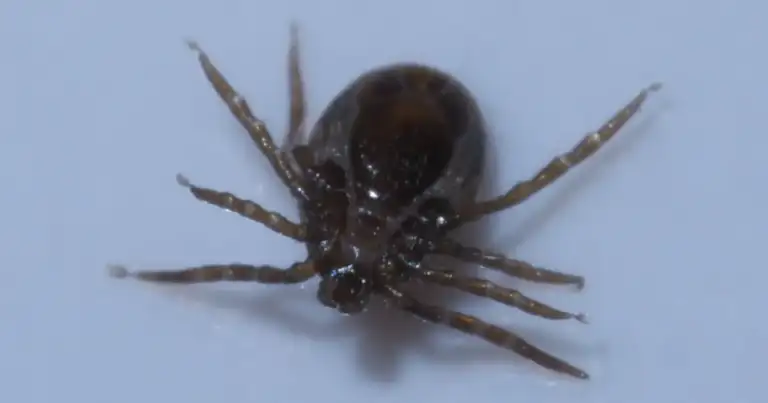

Forget culinary innovation; we’re staring down the barrel of a gastronomic apocalypse. Scientists are not just researching ticks; they are actively pushing to create genetically modified ticks designed to spread debilitating red-meat allergies. This isn’t just news; it’s a declaration of war on our plates, sparking a firestorm of public fury that threatens to engulf the very foundations of our food culture.
The culinary world has been hit with a gut punch so severe, it feels like a betrayal. People aren’t mincing words; they’re calling this move nothing short of biological terrorism. It’s a direct, calculated assault on our tables, our cherished traditions, and our fundamental right to savor a perfectly seared steak, a slow-cooked ragu, or a joyous backyard burger.
The Sinister Science: Allergy as a Weapon?
For years, researchers at the University of North Carolina at Chapel Hill and Virginia Commonwealth University have been at the forefront of understanding how the insidious Lone Star tick transmits the alpha-gal sugar. Their groundbreaking work meticulously detailed the mechanisms behind Alpha-gal Syndrome (AGS), a terrifying condition that renders individuals violently allergic to mammalian red meat, including beef, pork, and lamb. This knowledge, once a beacon of understanding, now appears to be twisted into something far more sinister and destructive.
The core of the outrage is searingly simple: In a world plagued by food insecurity, why in the name of all that is delicious would anyone endeavor to create more carriers of this debilitating allergy? The very thought is chilling, a grotesque mockery of scientific advancement. It threatens everything we hold dear about food security, public health, and the simple joy of eating.
Alpha-gal Syndrome: A Real-World Horror
- Alpha-gal Syndrome (AGS) is not a trivial discomfort; it’s a life-altering, potentially fatal condition.
- It triggers severe, delayed allergic reactions to mammalian meat, often hours after consumption, making diagnosis a nightmare.
- Symptoms are terrifyingly diverse, ranging from widespread hives, swelling, and gastrointestinal distress to life-threatening anaphylaxis.
- In the United States, the Lone Star tick is unequivocally identified as the primary culprit, a tiny harbinger of culinary doom.
This isn’t merely about observing natural phenomena anymore. This is about a deliberate, terrifying push to engineer a food crisis, to weaponize a biological agent against our diets. It reads like the plot of a dystopian science fiction novel, yet here we are, watching it unfold in our own reality.
Public Backlash Erupts: “Biological Terrorism” Echoes Across the Globe
The public reaction is nothing short of ferocious, and it is absolutely justified. Social media platforms are ablaze, not with debate, but with a unified roar of condemnation. The chilling phrase, “Isn’t this biological terrorism?” echoes across every platform. People are terrified, feeling as though their very autonomy over their dinner plates is under siege.
“They want to control what we eat, plain and simple,” one angry commenter stated, their words burning with indignation. “This is a direct assault on farmers, on consumers, on our entire way of life. Pure madness, orchestrated by ivory tower scientists with no connection to the real world.”
Others are quick to highlight the devastating, cascading impact this reckless initiative would have on entire industries. Imagine the ruin facing cattle ranchers, the despair of butchers, and the existential crisis for restaurants built on the bedrock of red meat.
The ripple effect would be catastrophic, tearing through supply chains, economies, and communities. Our entire food system, from pasture to plate, would be under a premeditated attack. It is beyond comprehension how any rational mind could conceive of such a destructive, ill-conceived plan.
A Chef’s Worst Nightmare: The Betrayal of the Palate
As a Food & Drink editor, a man who lives and breathes the symphony of flavors, my blood runs colder than a well-chilled Bordeaux. Imagine a world where the simple, primal pleasure of a juicy burger is transformed into a deadly gamble.
Where a slow-cooked, aromatic ragu, a dish steeped in generations of comfort and tradition, becomes a weaponized threat. This isn’t progress; it’s culinary sabotage on a grand, unforgivable scale. It’s an insult to the very essence of gastronomy.
Red meat isn’t just food; it’s a cornerstone of global cuisine, a cultural touchstone woven into the fabric of countless societies. It’s the star of classic dishes, the centerpiece of family barbecues, the indulgence of gourmet dining, and the sustenance of hard labor.
To actively promote a threat to this fundamental staple is beyond comprehension. It is a profound insult to every chef who dedicates their life to flavor, every farmer who toils the land, and every food lover who finds joy and connection around the table.
What twisted, misguided end goal could possibly justify this? Is it a perverse attempt at public health, forcing dietary shifts through fear?
Is it a heavy-handed push towards alternative proteins, bypassing choice and education in favor of biological coercion? Whatever the motive, the method is horrifyingly unethical. It shatters public trust in science itself, making people question every research initiative, every “advancement” that emerges from the lab.
The True Cost: Beyond the Plate, Into Our Lives
The financial and social costs of this reckless “innovation” would be staggering, far exceeding any imagined benefit. Farmers would face economic ruin, their livelihoods decimated.
Restaurants would scramble, often failing, to adapt to a world where their core offerings are poison. Global supply chains, already fragile, would collapse under the weight of such a drastic, forced dietary shift.
Perhaps most devastating would be the psychological toll on people forced to live in constant fear of their next meal, scrutinizing every bite, every ingredient. This isn’t a minor inconvenience; it’s a profound, systemic disruption to daily life and mental well-being.
We’re talking about a forced shift in diet, not through informed choice, not through health education, but through engineered fear and biological compulsion. That’s not science; that’s social engineering, with a tick-borne twist, a chilling precedent for how “innovation” might be wielded in the future. It’s an arrogant dismissal of human agency and cultural heritage.
This isn’t about finding cures or alleviating suffering; it’s about actively spreading a disease, creating a new form of alimentary terror. The very thought is anathema to the spirit of culinary enjoyment, to the shared human experience of breaking bread.
It’s a direct, unconscionable threat to the rich, diverse fabric of global food culture. We demand answers, we demand transparency, and we demand them now. This is not just a scientific debate; it’s a fight for our right to eat, to celebrate, to simply live without fear of our next meal.
This audacious push to create allergy-spreading ticks is an outrage of the highest order. It’s a reckless gamble with our food, our health, our sanity, and the very soul of our culinary heritage.
The culinary world, and indeed the entire public, deserves far, far better than this terrifying, dystopian prospect. We must stand together and reject this abomination before it irrevocably changes how we eat, how we live, and how we understand the very meaning of food.
Source: Google News