
Gregg Berhalter didn’t just make a decision; he lobbed a live grenade into the USMNT locker room, brazenly naming Tim Ream as the World Cup captain and, in doing so, flat-out snubbing the team’s undisputed star power: Christian Pulisic and Weston McKennie. This isn’t merely a leadership choice; it’s a colossal gamble, a high-stakes poker game played with the hopes of a nation hosting the biggest tournament in global football.
The announcement detonated on Thursday, May 29, 2026, delivered by Berhalter from the team’s training camp in Dallas. He waxed poetic about Ream’s “unwavering professionalism” and “invaluable experience.” Fine words, but they ring hollow when stacked against the magnitude of the slight.
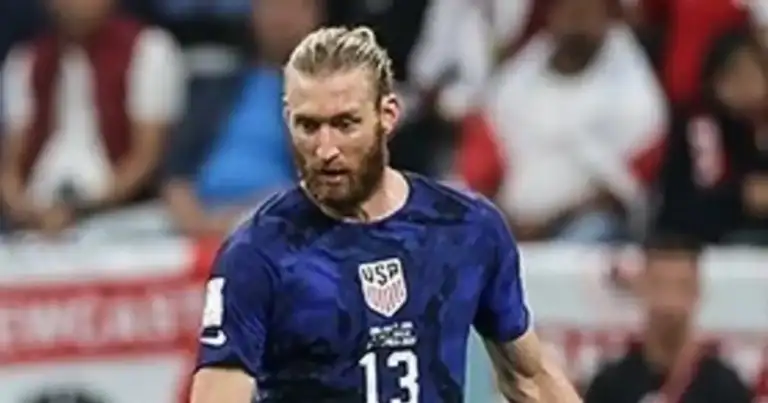
Ream, a 38-year-old veteran defender for Fulham, boasts over 60 caps. He was a steady presence in the 2022 World Cup and is a professional, no doubt.
But to hand the armband to a player seven years older than your two most dynamic, globally recognized talents? This isn’t just a bypass; it’s a deliberate statement.
It screams conservatism at a moment when the USMNT desperately needs audacity.
The Star Snub: A Morale Minefield
Let’s cut through the PR fluff. Passing over Pulisic and McKennie isn’t just a snub; it’s a blatant dismissal of their status and influence.
These are the guys who generate the headlines, the highlight reels, and the jersey sales. They’ve worn the armband before, carrying the weight of expectation.
They are unequivocally the faces of this team, both domestically and internationally.
Pulisic, a scorching 27-year-old attacker for AC Milan, boasts over 70 caps and is the team’s leading scorer – a veritable goal machine. McKennie, also 27, is the midfield engine for Italian giants Juventus, with over 50 caps to his name. You don’t just ignore that kind of star power, that kind of on-field impact, without consequence. What message does this send to the players who are expected to deliver the magic?
Berhalter, ever the diplomat, talks about “collective leadership,” insisting Pulisic and McKennie will still lead from the front. That’s a lovely sentiment, a textbook piece of damage control.
But the armband isn’t just a piece of fabric; it’s a potent symbol of trust, authority, and the coach’s ultimate belief.
Stripping it from your biggest names, your generational talents, is a move fraught with peril. It doesn’t just “backfire”; it risks detonating the very unity Berhalter claims to be fostering.
The official line might be “professional acceptance,” but what truly simmers behind closed doors?
Does this decision breed quiet resentment? Does it tell the stars they’re valued less for their dynamism and more for their compliance?
Does it subtly undermine their confidence when they need it most?
“Berhalter stressed that while Ream will wear the armband, leadership responsibilities will be shared across the squad, including Pulisic and McKennie.”
This quote, attributed to Berhalter himself, sounds less like a strategic vision and more like a desperate scramble to justify an unpopular choice. You elevate the quiet veteran, then publicly tell your younger, more dynamic players to still “lead.” It’s a tightrope walk over a chasm of potential discord, and Berhalter looks dangerously close to losing his balance.
Berhalter’s Calculated Conservatism: A Recipe for Regret?
Berhalter lauded Ream’s “calm demeanor” and “tactical intelligence.” Admirable qualities, certainly. But is “calm” truly what you need when the world’s eyes are fixed on you, when the roar of a home crowd demands passion and fire? Is it the fuel that ignites a squad on the grandest stage?
The 2026 World Cup isn’t just any tournament. Co-hosted by the USA, Canada, and Mexico, the pressure on the USMNT will be unprecedented, suffocating. Fans won’t just expect participation; they’ll demand fireworks, heroics, and for their biggest stars to blaze the brightest. This is a moment for boldness, for unbridled ambition.
Ream’s appointment feels profoundly conservative. It prioritizes stability over spark, experience over explosive talent.
It’s a safe choice, a cautious retreat into the familiar. But history is littered with examples where safe choices lead not to victory, but to regret.
When has playing it safe ever won a World Cup?
Critics are already howling, and rightly so. They see a colossal missed opportunity, a baffling decision to sideline the charisma, on-field influence, and sheer attacking prowess of the team’s most dynamic players.
Why muzzle the very individuals who embody the future of American soccer? Especially when they are a full seven years younger than the man given the symbolic mantle of leadership?
The Rift Question: Will It Shatter the Team?
The most ominous question hangs heavy over the USMNT camp: Will this decision splinter the locker room? Will it irrevocably damage the team’s chances before a ball is even kicked?
Berhalter insists on a “collective leadership” model, a harmonious symphony where everyone contributes. But that’s a romantic ideal, far removed from the brutal reality of elite professional sports. The captaincy is unique; it carries an undeniable, almost mystical weight that shared responsibility can never replicate.
Pulisic and McKennie have, as expected, maintained a professional front, focusing on team unity. That’s what top-tier athletes do. But professionalism is a veneer; it doesn’t erase ambition, quell disappointment, or mend a perceived slight. Beneath the surface, the seeds of discontent could be quietly sown.
Ream is undoubtedly respected, a figure capable of mentoring younger players and perhaps even a unifying presence. But will his quiet authority be enough to overshadow the perceived demotion of the team’s offensive engines? Can a team truly coalesce when its brightest stars feel, however subtly, that their light has been dimmed?
Historically, teams have indeed shared leadership. But the USMNT needs more than just shared responsibility; they need undeniable fire, a palpable hunger.
They need a clear, visible leader on the field who embodies their ambition, their swagger, their very identity. Berhalter’s message is stark: experience, in his eyes, trumps star power.
This isn’t just about who wears an armband; it’s about team psychology, raw confidence, and the clear signal sent to your most crucial players.
Berhalter has made his gamble. We will soon discover if it pays off with glory, or if it creates a quiet, insidious division that costs the USMNT dearly when the world watches, and when it matters most.
Photo: Wikimedia Commons (query: Tim Ream)
Source: Google News