
Hold onto your chef’s hat, because the latest culinary crisis isn’t about a Michelin star gone wrong, but a seemingly innocent plate of onion rings that’s now costing a restaurant a jaw-dropping $155,000. This isn’t just a food allergy; it’s a financial bombshell so colossal it threatens to shatter the very foundations of any eatery.
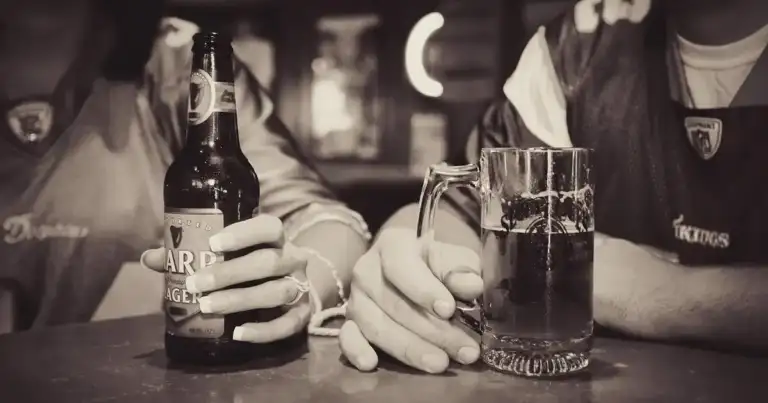
Picture this: a patron, allegedly armed with a diagnosed beer allergy – yes, a beer allergy – orders onion rings. A simple fried snack, right? Oh, mon Dieu, if only! Turns out, the batter, that golden, crispy embrace, was infused with beer, a culinary secret weapon for flavor and crunch. This wasn’t just an oversight; it was a catastrophic collision of expectation and reality, leading to a severe, life-threatening allergic reaction.
Let’s be crystal clear: for anyone battling a genuine, severe allergy to beer components like barley or yeast, this isn’t just an inconvenience; it’s a terrifying tango with death. This lawsuit, whether you side with the plaintiff or the kitchen, rips open a gaping, dangerous hole in our food service industry, screaming about hidden allergens and the absolute, non-negotiable imperative of crystal-clear staff communication.
The Allergy Tightrope
Food allergies, my friends, are not some casual dietary preference; they are a daily, terrifying tightrope walk for an estimated 32 million Americans. We’re talking about 30,000 emergency room visits every single year from severe reactions – a statistic that should send shivers down every restaurateur’s spine. Yes, restaurants absolutely have an undeniable, moral, and legal duty to protect their customers. Full stop.
And yet, here’s where the plot thickens, the sauce curdles: the line between a life-or-death medical emergency and what many perceive as opportunistic legal maneuvering has become irrevocably blurred. Allergy lawsuits can swing wildly, from mere tens of thousands to eye-watering millions. This $155,000 claim? It’s a perfectly calculated strike, designed to cover not just medical costs and suffering, but almost certainly to extract a hefty sum for pain and punitive damages. Don’t kid yourself, this isn’t pocket change.
Now, the restaurant finds itself in a culinary crucible, facing not just a massive financial hit that could cripple them, but a reputational battering that stains their very name. You can bet your bottom dollar they’ll trot out arguments about ‘sufficient precautions’ or ‘unclear communication’ from the patron. But let’s be brutally honest: the burden of proof, the weight of this entire gastronomic drama, rests squarely and oppressively on their shoulders. A tight spot indeed.
Public’s Bitter Taste
Ah, the internet! That glorious, brutal beast, has, as expected, already rendered its scathing verdict. Online forums are ablaze, spitting fire and labeling this entire saga “peak Karen entitlement.” Many, many are screaming “staged shakedown” for a quick buck, and believe me, the memes? They’re flying faster than a perfectly tossed pizza, depicting weeping figures clutching their precious pints of beer in mock horror.
“She ordered onion rings at a pub, quadruple-checked like it’s a bomb defusal, then sues when batter has beer? Darwin award nominee.”
That scorching take, ripped straight from a viral X (formerly Twitter) thread, perfectly encapsulates the palpable, boiling cynicism. People aren’t just ‘tired’; they are furious at what they see as blatant exploitation, a cynical game of legal roulette. They vividly recall genuine tragedies, like the heartbreaking 2023 Raglan Road incident where a woman tragically died from nut/dairy cross-contamination – a case that sent shockwaves through the industry, reported by outlets like the Orlando Sentinel and CNN. That was serious. This beer allergy suit? The public is scoffing, dismissing it with a collective eye-roll so powerful it could trigger an earthquake.
Let’s be brutally honest: some voices, and not just a few, are outright claiming this “beer allergy” is a fabrication, a convenient shield. They’re arguing, with scientific fervor, that true anaphylaxis from mere trace amounts of yeast or hops is astronomically rare, almost unheard of. So, is this simply “performance art for clout,” a theatrical play for public attention and a fat payout? That, my friends, is the burning question echoing through every corner of the internet, and frankly, it’s a valid one.
Who Pays the Bill?
Restaurants, bless their culinary hearts, are already navigating a post-COVID minefield, a treacherous landscape where every step could trigger a financial explosion. Insurance companies, meanwhile, are hemorrhaging cash, shelling out eye-watering sums. Remember the infamous Boloco’s $200k peanut burrito verdict? These gargantuan payouts don’t just make restaurants ‘easy targets’; they paint a giant bullseye on their backs, fundamentally shifting the entire paradigm of personal responsibility squarely onto the shoulders of the business, whether it’s fair or not.
Of course, food safety advocates are practically screaming for stricter rules, demanding nothing less than mandatory allergen training for every single staff member, from the dishwasher to the executive chef. Clearer, unambiguous labeling standards aren’t just a ‘must’; they are an absolute, non-negotiable imperative. This incident, this whole theatrical mess, doesn’t just ‘highlight’ a need; it slams home the dire, desperate call for radical transparency. Undeclared allergens aren’t just a nuisance; they’re a public health menace, causing countless recalls and revealing a truly systemic, deeply flawed problem in ingredient tracking across the entire industry. It’s a disaster waiting to happen, again and again.
But here’s the million-dollar question, the one that keeps chefs up at night: where, precisely, does personal responsibility end? And where, exactly, does restaurant liability begin? This case isn’t just pushing that boundary; it’s detonating it, sending shrapnel throughout the entire culinary landscape.
My Take: A Recipe for Disaster?
Look, let’s be absolutely clear from my kitchen to yours: real allergies are not just terrifying; they are a culinary nightmare, demanding nothing less than absolute respect and unwavering diligence from everyone involved, from the diner to the chef. But the public’s jaded, almost cynical, reaction to this eye-popping $155,000 lawsuit? It’s not just ‘telling’; it’s a blaring siren, screaming that for many, a sacred line has been irrevocably obliterated.
Restaurants, my friends, are caught in an impossible bind, a gastronomic Gordian knot. They are morally and legally obligated to protect every single customer, yet they are simultaneously drowning in a growing tsunami of lawsuits, each one threatening to pull them under. This case, whether it’s a legitimate grievance or a theatrical charade, doesn’t just ‘fuel skepticism’; it torches public trust, leaving a wasteland of doubt. It makes every server’s smile feel forced, every chef’s creative choice a potential legal landmine.
The true, devastating cost here isn’t merely the $155,000 changing hands; it’s the insidious, creeping erosion of trust, the very foundation upon which the sacred bond between diners and establishments is built. And that, my friends, is a bitter, indigestible pill, a poison that threatens to taint the entire, beautiful, fragile ecosystem of the food industry. We need to find a better recipe, pronto, before we all choke on it.
Source: Google News