
The roar of a NASCAR engine usually signifies triumph, speed, and the relentless pursuit of victory. But on Wednesday, June 11, 2026, at Michigan International Speedway, that familiar thunder was abruptly silenced by twisted metal and shattered expectations.
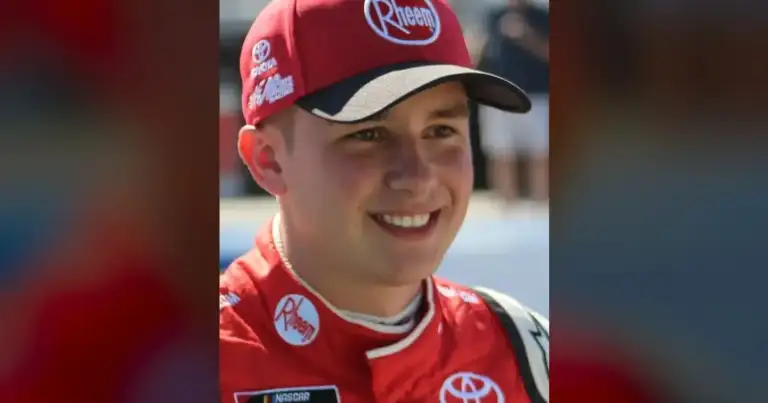
Christopher Bell, a formidable NASCAR Cup Series driver for Joe Gibbs Racing, now finds himself sidelined. He sustained a fractured clavicle and a concussion, physical tolls that speak volumes about the crash’s violence.
The racing world collectively held its breath the moment news broke. Bell, known for his aggressive yet precise driving style in the No. 20 Joe Gibbs Racing Toyota, sustained these serious injuries during a closed manufacturer test session. It was a stark, brutal reminder that even away from the packed grandstands, the dangers of this sport are ever-present, lurking just beneath the surface of seemingly routine testing.
The Michigan Mayhem: A Glimpse into the Unseen Dangers
The incident on Michigan International Speedway’s high-speed backstretch was reportedly triggered by a catastrophic mechanical failure in Bell’s machine. This was no minor hiccup; at such speeds, mechanical failure turns a precision instrument into an uncontrollable projectile.
While specifics remain under wraps, something vital gave way, sending Bell’s Toyota into a terrifying collision. The sheer force involved even caught other seasoned drivers, Martin Truex Jr. and Bubba Wallace, in the periphery of the chaos, highlighting the crash’s wide-reaching impact.
A closed test session implies an environment of intense focus and pushing boundaries, often at speeds mirroring – or even exceeding – those seen on race day. This happens without the safety net of a full field or the immediate medical response infrastructure of a race weekend. This wasn’t just a minor incident; it was a scene of true destruction, a visceral demonstration of the fine line between innovation and peril. The absence of fans in the stands did nothing to diminish the profound impact of the crash; if anything, the silence that followed the impact amplified the gravity of what had occurred, echoing the inherent risks these athletes face every time they strap in.
The Brutal Reality of Recovery: Beyond the Checkered Flag
For a NASCAR driver, a fractured clavicle is far more than a painful inconvenience. This bone is crucial for arm movement, shoulder stability, and core strength, all indispensable for wrestling a 3,400-pound stock car.
Every bump, turn, and micro-adjustment puts immense strain on that area. Bell’s ability to grip the wheel, absorb vibrations, and react with lightning speed will be compromised until full healing is achieved. It’s a cruel irony that their relentless pursuit of speed can leave these athletes utterly still.
However, the concussion is arguably the more insidious and concerning injury. Head trauma demands extreme caution in any sport, especially racing where split-second decisions are paramount.
Bell will face stringent return protocols: a carefully managed process involving cognitive tests, balance assessments, and gradual physical reintroduction. His brain needs to heal completely, not just to race again, but to live a full life beyond the track. This isn’t just about physical pain; it’s a psychological battle of trusting your body and reflexes after violent betrayal.
When Silence Speaks Volumes: The Human Element
In a world hungry for instant updates, everyone wants to know what Christopher Bell said immediately. But sometimes, silence is the loudest statement. When a driver suffers a fractured clavicle and a concussion, public statements are not the priority.
The focus shifts entirely to his well-being. What he “said” is currently irrelevant; his body is doing the talking right now. The pain, forced rest, and arduous mending process – that’s the real story, the update everyone needs to understand.
His medical team meticulously plans each step of his recovery. His family rallies around him, providing unwavering support. The broader racing community, a brotherhood forged in fire and speed, offers its collective thoughts and prayers.
In a sport built on noise, Bell’s silence is a profound statement on his situation’s gravity, highlighting professional racing’s stark reality. These athletes put their bodies on the line, pushing limits most of us can barely comprehend. One mechanical failure, one wrong move, can change everything, reducing a champion to a patient and a roaring machine to scrap.
The Unseen Scars: A Battle Beyond the Physical
Beyond visible injuries, broken bones, and a bruised brain, there are unseen scars. The memory of the crash itself – the split-second realization of impending impact and primal fear – floods the senses.
Returning to that same track, or any track, will test Bell’s resolve in ways few can imagine. Will he hesitate when the car slides, or will the speed feel different? Will the walls seem closer?
These are mental hurdles every injured driver must clear, a battle fought in the mind as much as on the track. It’s about rebuilding trust – in the car, in the team, and most importantly, in oneself.
His team, Joe Gibbs Racing, will undoubtedly feel the pressure. They need their star driver back, a consistent threat for wins and championships. But he must be healthy, mentally and physically whole.
The balance between aggressive competition and driver safety is always delicate, a constant negotiation in NASCAR’s high-stakes world. This crash serves as a stark reminder: while these cars are technological marvels, the human element remains fragile, vulnerable, and irreplaceable.
The Road Ahead for Bell: A Display of the Human Spirit
Christopher Bell has a tough road ahead, demanding immense patience, discipline, and unwavering focus. He needs to heal completely, allowing his body and mind the time they require. He must rebuild his strength, physical and mental, and painstakingly regain the confidence defining elite athletes.
The entire racing community will watch closely, offering thoughts and prayers. They understand the brotherhood of the track and what it takes to come back from such a profound setback.
His eventual return won’t just be a comeback; it will powerfully showcase the unyielding spirit defining Christopher Bell and every individual chasing dreams at 200 miles an hour. It will be a story of perseverance, a beacon of hope for anyone facing daunting challenges.
For now, Christopher Bell’s focus must be singularly on himself. His health is paramount. Nothing else matters, because without his well-being, the roar of that engine will remain just a memory.
Source: Google News