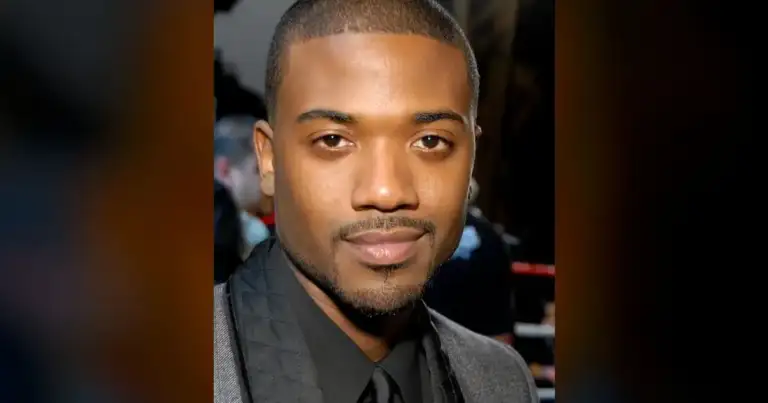

Here’s a gut punch of a headline that lays bare the ruthless mechanics of modern fame: The Voice star Dylan Carter is dead at just 24 after a horrific accident in South Carolina. His untimely passing doesn’t just mark a personal tragedy; it starkly exposes how quickly the spotlight dims, even for those briefly anointed as “stars” by the entertainment machine.
Carter, a former contestant on Season 24 of NBC’s glossy singing competition, succumbed to injuries sustained in a car wreck in Colleton County. While his local community is reeling, gripped by an unfathomable sorrow, the national conversation remains unsettlingly silent. It’s a silence that speaks volumes.
Moncks Corner Mayor Thomas Hamilton Jr. confirmed the tragedy, his social media post a raw expression of local grief. “Our family is heartbroken… He was our friend,” the Mayor posted, eulogizing Carter’s undeniable charm and vibrant local performances. The entire town council, along with countless residents, echoed these sentiments, mourning a beloved talent snatched away far too soon.
The Brutal Calculus of Fleeting Fame
This isn’t merely a sad story; it’s an unvarnished truth about the disposable nature of reality television fame. Dylan Carter was a “Team Reba” crooner, a fleeting face on a national stage for a few weeks, then largely relegated to the archives of forgotten hopefuls. He sang his heart out, sure, but in the grand scheme of the entertainment industrial complex, he was a cog, quickly replaced.
His death, while devastating for his loved ones and tight-knit community, barely registered beyond regional headlines and dedicated fan sites. Taste of Country and Primetimer ran sincere eulogies, lamenting the loss of a promising country music hopeful. Yet, the wider internet, usually a ravenous beast for sensationalism and tragedy, largely offered a national shrug.
Locals from Saint George and The Voice diehards flooded comments with heartfelt “RIP to a kind soul” messages. They spoke of his “easy smile,” his “humility,” and a “genuine love for his craft.” These are the poignant echoes of a life well-lived, but a fame that never truly took hold – a stark distinction that demands our attention.
A Blip on the Digital Radar
While every minor celebrity misstep or viral moment explodes into a global phenomenon, Carter’s death was a mere blip. There are no frenzied Reddit threads dissecting accident details; police remain tight-lipped on specifics, as they should. The X timeline, usually a cesspool of conspiracy theories and performative outrage, offered only solemn reposts, quickly buried by the next outrage cycle.
The internet edgelords, always ready to scream “faked for clout” or link any tragedy to a shadowy cabal, slept through this one. Why the collective digital indifference? Because Carter was, in the unforgiving economy of attention, a footnote in Season 24. He had a pleasant voice, sure, but zero post-show breakout success. He didn’t generate enough clicks, enough controversy, enough noise to warrant sustained digital grief.
This isn’t about disrespecting the dead. It’s about dissecting the cold, hard mechanics of public attention in the 21st century. If you don’t become a household name, if you don’t consistently generate clicks and outrage, even your untimely demise can be quickly overshadowed. It’s a brutal truth: in the digital age, attention is currency, and some lives, tragically, are deemed less valuable by the algorithms.
The Reality TV Machine Grinds On
The reality TV machine is a relentless beast, chewing up and spitting out hopefuls by the thousands. For every Kelly Clarkson, for every bona fide star forged by its intense demands, there are hundreds of Dylan Carters. Talented, charismatic, briefly famous, then consigned to the ever-growing “where are they now?” file. These shows offer the illusion of opportunity, a tantalizing glimpse behind the velvet rope, but for most, it’s just that – an illusion.
His story serves as a brutal reminder: the platform offers a taste of the big time, but it rarely delivers lasting stardom. For the vast majority, it’s a fleeting moment, a memory, and then a quiet return to regular life. Or, in Carter’s tragic case, an abrupt, devastating end that underscores the fragility of both life and fame.
The local grief is real, profound, and deeply human. But the national silence speaks volumes about the ruthless nature of instant fame and the even more ruthless nature of public forgetfulness. Dylan Carter’s death is an undeniable tragedy, but for the wider culture, it’s a sobering, almost cynical reminder that the reality TV carousel never stops spinning, indifferent to the lives it briefly illuminates before casting them back into the shadows.
Source: Google News