
The very heart of the New York Mets lineup is bleeding out on the sidelines, a cruel twist of fate that has sidelined stars Juan Soto, Francisco Lindor, and Francisco Alvarez. This isn’t merely about missed games or statistical dips; it’s about the brutal, often unseen, grind these men endure when their finely tuned bodies betray them, forcing them into a lonely battle against time and pain.
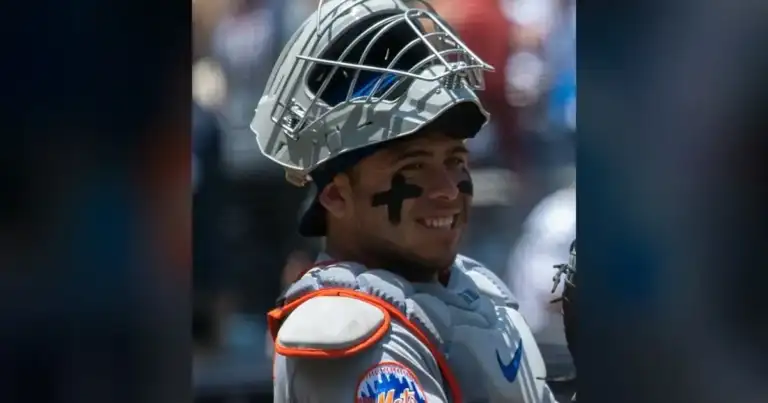
Soto, the powerful slugger, is out with a Grade 1 left hamstring strain, a setback expected to keep him off the field for 7-10 days. Meanwhile, the always-energetic Lindor is grappling with persistent right ankle irritation, a nagging issue that required an anti-inflammatory shot to coax him back onto the diamond. And behind the plate, the promising young catcher Alvarez is slowly, painstakingly rehabbing a debilitating left thumb sprain, his sights set on an early June return.
These aren’t just minor league aches or fleeting discomforts. These are the profound physical and mental battles of elite athletes pushing their bodies to the absolute brink every single day. The game demands everything—every ounce of strength, every flicker of focus—and sometimes, in a whisper or a scream, the body simply says, “No more.”
The Unseen Scars: The Human Cost of the Game
For Juan Soto, this hamstring strain is a rare and jarring disruption. He is, by all accounts, a pillar of consistency, a near-constant presence in the lineup. Now, his explosive power and lightning speed are compromised, forcing him into a rigorous, solitary routine of physical therapy and careful management, far from the roar of the crowd and the bright stadium lights. Imagine the frustration of a lion caged, unable to hunt.
Francisco Lindor’s ankle issues are particularly unforgiving for a middle infielder, whose game is built on quick, explosive movements. Every lateral shuffle, every pivot, every sprint to cover a base or turn a double play, sends a jolt of stress through that joint. He received an anti-inflammatory injection on May 13th, 2026, a desperate measure to quiet the irritation and get his dynamic presence back on the field. Manager Carlos Mendoza, a man acutely aware of his team’s struggles, is undoubtedly desperate for his return.
“He got the injection today. We’re hoping it calms down quickly. We’re looking at day-to-day, hopefully, he’s back in there by the weekend. We need his energy.”
Then there’s Francisco Alvarez, the young catcher whose position demands perhaps the most brutal physical toll in baseball. A thumb injury cripples his fundamental abilities: hitting for power, framing pitches, and making accurate throws to stifle baserunners. His recovery isn’t just about healing; it’s about painstakingly rebuilding strength and confidence in a key part of his body. This extended absence means missing invaluable time studying hitters, forging chemistry with pitchers, and simply growing into his role as a big-league backstop.
Frustration, a bitter pill, is undoubtedly swallowed by all three. Soto, a rock of consistency, faces an unexpected benching, an alien feeling. Lindor, the vocal leader and emotional heartbeat of the team, must watch from the dugout, his passion simmering. And Alvarez, still early in his burgeoning career, battles the mental challenge of being sidelined, knowing precious development time is slipping away.
“It’s frustrating, you always want to be out there. But I know I have to be smart about this. It’s a long season.”
The Sideline Hustle: Beyond the Field, Beyond the Pain
When the spotlight shifts from the dazzling plays on the field to the sterile environment of the physical therapy table, how do these athletes, these gladiators of the diamond, stay sharp? It’s an invisible hustle, a relentless grind that truly separates the pros from the pretenders. It’s about far more than just healing; it’s about meticulously maintaining their entire athletic ecosystem, a complex machine designed for peak performance.
These players aren’t just relying on the team’s medical staff. Many invest heavily in their own personal army of experts: physical therapists, chiropractors, nutritionists, and even mental performance coaches. This specialized, personal team works in seamless collaboration with the club’s staff, all united by a singular goal: to accelerate recovery, prevent future injuries, and maintain an unparalleled level of well-being. It’s a testament to their dedication, an investment in their very livelihoods.
While injured, their training regimen pivots dramatically. They hit the gym, not for sport-specific drills, but to strengthen surrounding muscles, fortify weak points, and improve overall structural integrity. They dedicate hours to enhancing flexibility and maintaining cardiovascular fitness through low-impact exercises like swimming or cycling. They refuse to let their foundational athletic base erode, understanding that every moment spent recovering is a moment spent preparing to return stronger.
The mental toll, often overlooked, is immense. Feelings of isolation, frustration, and doubt are common companions. Athletes lean heavily on sports psychologists, the unwavering support of family, and the camaraderie of their teammates. They engage in positive visualization, meticulously setting small, achievable goals to stay engaged and mentally “in the game,” even when their bodies prevent them from playing.
“It felt good to get back into some drills. The thumb is feeling stronger every day. I’m just taking it one step at a time, listening to the doctors.”
Even their social media presence becomes a strategic tool. They share carefully curated glimpses of their recovery journey, showcasing dedication, resilience, and an unwavering commitment to their craft. It’s a powerful way to maintain their personal brand and deepen their connection with fans, often leading to partnerships with health and wellness brands that resonate with their narrative of perseverance.
Dietary adjustments become critical too, transforming their plates into pharmacies. Nutrition is meticulously tailored to reduce inflammation, promote rapid tissue repair, and support overall recovery. More protein, specific vitamins, and targeted minerals become their fuel, helping them manage weight and maintain energy levels when activity is necessarily reduced. Every bite is a calculated step towards healing.
Mets Fans: A Conspiracy of Pain and a Cry for Hope
Meanwhile, the Mets faithful are in a full-blown meltdown, a collective wail of despair echoing across the digital landscape. Reddit’s r/NewYorkMets is a digital dumpster fire, a swirling vortex of frustration and gallows humor. Fans are convinced the universe has a personal vendetta against them, especially after another injury hit just as Soto made his return. “12-game skid broken, now this? Universe hates us,” one top thread screamed, capturing the raw, visceral pain of a fanbase perpetually on edge.
They’re torching owner Steve Cohen for “loading up on injury-prone stars,” their fingers pointing to Soto’s 15 missed games and Lindor’s well-documented history of calf and oblique woes. “Cohen’s checkbook can’t buy trainer competence,” a user ranted, noting Lindor’s third IL stint, a grim statistic that fuels their paranoia.
On X, the #MetsCursed hashtag is trending, a bitter badge of honor. Memes depict Lindor limping like a zombie, a grotesque symbol of their misfortune. Conspiracy theories are flying faster than a fastball, with some claiming “load management” is secretly at play. “Soto back day 1, Lindor ‘strains’ ankle scoring? Both dodging tanking duties for playoffs,” one cynical tweet suggested, showcasing the deep-seated distrust that permeates the fanbase.
This isn’t just about a few missed games or a dip in the standings. It’s about the relentless psychological warfare these athletes wage against their own bodies, a daily battle of will and flesh. It’s about the unseen hours of grueling rehab, the strict, unyielding diets, and the sheer mental fortitude required to step back onto the field, knowing one wrong move could unravel it all. And it’s about a fanbase that, rightly or wrongly, feels utterly cursed by the baseball gods, yearning for a glimmer of hope amidst the wreckage.
These injuries underscore the brutal, unforgiving reality of professional sports, where the line between peak performance and physical breakdown is razor-thin. The journey back from the brink is a profound testament to resilience, discipline, and the often-unseen grind of rehabilitation. For the Mets, for Soto, Lindor, and Alvarez, the fight continues, a deeply personal struggle played out on a public stage. They are not just athletes; they are warriors battling their own mortality in a high-stakes arena, reminding us all that even heroes are human. Will their bodies hold, or will the weight of expectation and the cruelty of fate finally break them?
Source: Google News