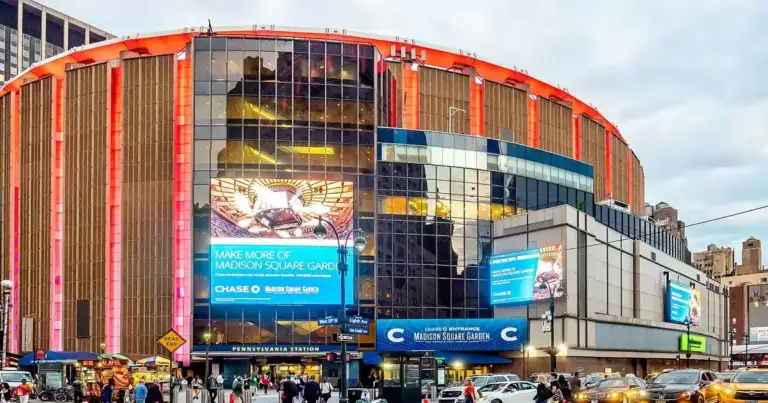

A night at Madison Square Garden, that cathedral of curated spectacle, should be a pilgrimage, not a descent into horror. Yet, for a 51-year-old concertgoer, a father of two, it became precisely that: a fatal plunge witnessed by his horrified wife. This wasn’t just an accident; it was a devastating indictment of an industry increasingly prioritizing profit over the very lives it claims to entertain.
This “much-loved” dad went for a night of music, a shared experience. Instead, his life ended, brutally, at an iconic New York landmark.
The Garden’s Grim Shadow: A Systemic Rot
The man’s identity as a devoted husband and father only amplifies the raw, unimaginable grief his family now endures. This tragedy isn’t merely personal; it’s a public failing. It demands immediate, unvarnished answers from MSG, not platitudes.
How does a premier venue, a global brand, allow such a catastrophe to unfold? Safety isn’t an afterthought; it’s the absolute bedrock. Its absence here exposes a rot that runs deeper than a single incident.
This isn’t just a shadow over Madison Square Garden; it’s a dark cloud smothering the entire concert industry. When the promise of an unforgettable night can morph into a final, fatal moment, what exactly are we paying for?
A Wider Epidemic of Neglect: The 2026 Festival Fiasco
Let’s not pretend this is an isolated incident. The 2026 festival and outdoor concert season is already shaping up to be an unmitigated disaster, a predictable cascade of preventable failures.
Reports of attendees collapsing from heatstroke, battling severe dehydration, and being crushed in uncontrolled crowd surges are not just “rampant”; they are the new normal. We’re witnessing a systemic breakdown.
People are not merely getting injured; they are being actively put in harm’s way during these massive gatherings. Crowd control isn’t just failing; it’s often non-existent. Emergency egress points, meant for escape, are becoming deadly bottlenecks.
Industry experts aren’t just “screaming for change”; they’re issuing dire warnings that fall on deaf ears. Emergency services are stretched thin, overwhelmed by the sheer scale of preventable crises, demanding better communication and, critically, more competent staff.
“The inherent risks of massive gatherings are being ignored,” one industry expert stated to Reuters. “Venues and promoters are prioritizing profits over basic human safety, and the consequences are becoming tragically clear.”
This calculated neglect isn’t abstract. It manifests in tragic deaths like the one at MSG. It manifests in the countless injuries, the shattered bones, and the traumatized minds at other events. It’s a betrayal of the audience, a cynical gamble with human lives.
Design Flaws, Disorientation, and Dangerous Aesthetics
The problem isn’t confined to aging venues. Even the shiny, new temples of entertainment are proving dangerous, often by design.
The Harmonized Soundscape Arena in Denver, for instance, touted its “immersive” architecture as revolutionary. Miles Brennan, for one, calls it a dangerous gimmick. Its hyper-steep tiered seating sections, combined with dynamic lighting and aggressive visual effects, don’t just create “disorientation”; they create hazards.
Handrails and barriers, seemingly an afterthought, are often woefully insufficient.
A local news investigation by the Denver Post didn’t just detail “minor falls and stumbles”; it exposed a pattern of serious risks, particularly for older attendees and those with mobility issues. City safety inspectors are now belatedly reviewing the arena’s architectural compliance – a review that should have happened with far greater scrutiny before the doors ever opened. These aren’t “warning signs”; they are flashing red lights, blaring sirens. The industry needs to listen, genuinely listen, before its pursuit of “experience” costs even more lives.
Who Is Responsible? The Buck Stops Here.
Let’s cut through the corporate doublespeak: Promoters and venue operators hold the ultimate, non-negotiable responsibility. They are the gatekeepers, the architects of these experiences. They must ensure a safe environment. But the evidence is overwhelming: many are clearly, demonstrably failing. This isn’t a complex issue; it’s a fundamental one.
Less severe incidents are not just “happening globally”; they are a daily occurrence: stage-side barriers breached with alarming regularity, emergency exits routinely blocked or inadequate, security staff overwhelmed and undertrained.
Regulatory bodies are finally, sluggishly, exploring new guidelines – a response that feels too little, too late. These guidelines must include mandatory independent safety assessments, not just internal audits.
Stricter crowd density limits are not “on the table”; they are essential. And staff training for emergency procedures? It doesn’t need “massive improvement”; it needs a complete overhaul, a cultural shift from the ground up.
The focus must shift from reactive damage control to proactive prevention. Every fall, every injury, every moment of panic can escalate into tragedy, especially in the high-energy, high-density environments that define live music. This isn’t rocket science; it’s basic human consideration.
Technology Isn’t a Magic Bullet, It’s a Distraction
Some, predictably, cling to the delusion that new technology will magically solve everything. Wearable tech to monitor vital signs? AI-driven analytics to predict surges? Enhanced surveillance systems? These are expensive bandages on a gaping wound. Technology alone is not enough; it’s a flimsy substitute for genuine human oversight and empathy. The human element remains paramount, and it’s being systematically undervalued.
Adequate staffing isn’t “non-negotiable”; it’s a moral imperative. Clear, consistent communication isn’t “essential”; it’s the lifeline.
A culture of vigilance isn’t something to “instill”; it’s something that must be ingrained through rigorous training, accountability, and genuine care. Venue operators and event organizers need to step up, not hide behind algorithms or glossy brochures.
The entertainment sector faces immense pressure, yes, but that is no excuse for negligence. They must demonstrate a real, tangible commitment to patron well-being.
The thrill of live music, the shared euphoria, absolutely cannot, under any circumstances, cost a life. The death at Madison Square Garden is not just a stark reminder; it’s a searing indictment.
This industry must put people first, unequivocally. Anything less isn’t just a betrayal of trust; it’s a criminal dereliction of duty.
Photo: @Epicsunwarrior
Source: Google News