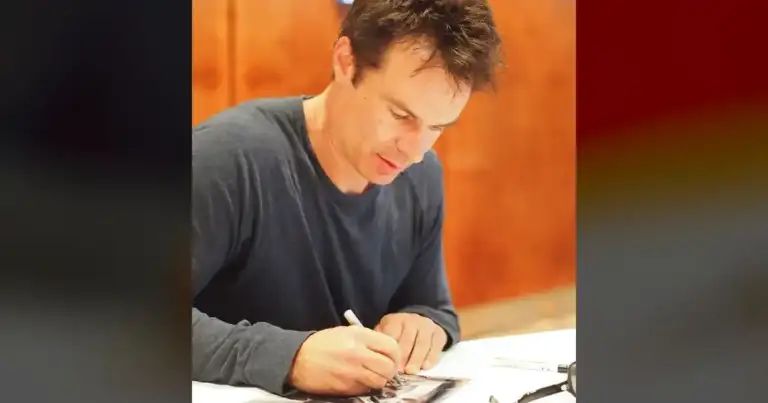

The headlines scream “shock death,” and the rumor mill churns. We’re watching the public dissection of *Days of Our Lives* alum Patrick Muldoon’s life, with whispers of “dark secrets” already deafening. This isn’t just about one man; it’s a stark reminder of celebrity’s brutal reality.
For actors like Muldoon, decades in a long-running soap opera’s gilded cage blur the line between performance and reality. It doesn’t just blur; it dissolves. Imagine pouring fabricated emotions into a role for millions, creating a public image miles from private struggle.
Do we truly believe that doesn’t mess with a person’s head? The relentless pressure to be “on,” to maintain a flawless facade, is an exhausting, isolating existence. It’s a perfect breeding ground for secrets to take root and fester.
True mental wellness isn’t merely about positive affirmations. It’s about radical authenticity. Tragically, that is a luxury few public figures can truly afford.
The Crushing Weight of the Pedestal
When your entire livelihood depends on public perception, “secrets” aren’t merely personal failings. They become strategic defenses. They are a shield against professional ruin, against harsh fan judgment, and against the very industry that props you up.
Consider spending decades in such a demanding environment, working alongside the same people. Intense, pseudo-familial bonds often form. These relationships are complex, fraught with ambition, jealousy, and a shared, unspoken understanding of the game’s rules.
To break rank, to reveal a vulnerability, could mean a career’s abrupt end. It could also mean a significant financial hit. So, you hide. You compartmentalize.
You put on the brave face, day in and day out. Eventually, that face becomes a mask so deeply entrenched, you can no longer remove it.
The Echo Chamber of Post-Mortem Gossip
And now, the “friends are whispering.” Convenient, isn’t it? The man is gone, and suddenly, everyone has a story, a “truth” they held onto for decades.
They release it now into the void. Is this truly about honoring a legacy? Or is it about traversing the treacherous post-mortem landscape?
It’s about being seen as “in the know.” Perhaps they are absolving themselves of past complicity. Or simply capitalizing on the sudden void.
These whispers often reveal far more about the whisperers than the deceased. They speak to the collective performativity of the industry, where loyalty is conditional and self-preservation reigns supreme.
The narrative we’re often fed is that celebrities are just like us, but with more money. The truth is, they’re often far more isolated, more scrutinized, and more trapped by the very systems that elevate them.
Let’s be brutally honest with ourselves. These “dark secrets” and sudden “whispers” after a public figure’s death aren’t profound, unexpected revelations about the human condition. They are a textbook example of how the entertainment industry commodifies personal struggle.
While Muldoon was alive, maintaining his image was paramount to his employers and his own career. Any “truth” that jeopardized that was suppressed. This was likely with the tacit understanding—and even encouragement—of those around him.
Now that he’s gone, the financial and reputational risk is gone too. This allows “friends” to finally speak their “truth.” This often serves to make them look more insightful, more connected, or simply more relevant in tragedy’s wake.
The mainstream narrative will mourn the “loss” and sensationalize the “secrets.” But it will conveniently ignore the systemic pressures that force individuals into such isolating, secretive lives in the first place.
The real hypocrisy isn’t Muldoon’s alleged secrets. It’s the sudden, self-serving moralizing from those who benefited most from his silence. It’s time we stopped buying into the manufactured drama. We must demand a more humane reality for those we place on pedestals.
Photo: Crosathorian
Source: Google News