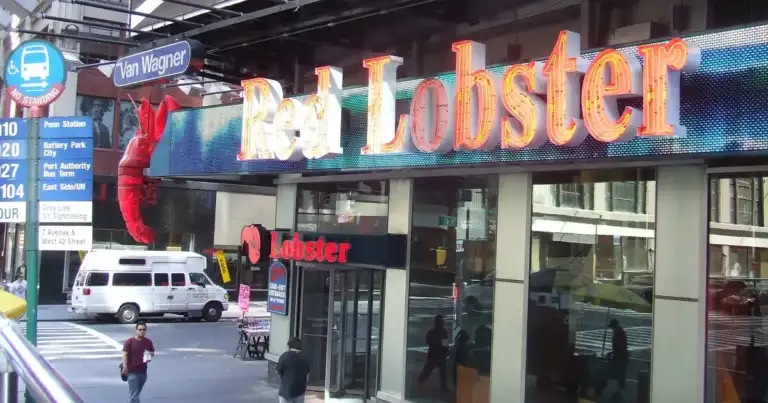

Another one bites the dust. Red Lobster just shuttered its iconic Times Square location, a closure that wasn’t just predictable – it was an inevitable, self-inflicted wound. This isn’t just a business failing; it’s a stark reminder that some companies refuse to learn from their own disastrous mistakes, especially when corporate greed and a truly terrible “Endless Shrimp” deal are involved.
The seafood chain’s high-profile exit from one of the world’s busiest districts didn’t happen in a vacuum. It was a direct consequence of their baffling decision, just weeks prior, to once again unleash the “Endless Shrimp” promotion. Let’s be clear: this wasn’t just a “factor” in their financial collapse; it was the primary, glaringly obvious self-destruct button that led to their Chapter 11 bankruptcy filing in May 2024. How many times do you need to touch the hot stove?
The numbers don’t just “not lie,” they scream. In Q3 2023 alone, making “Endless Shrimp” a permanent fixture gouged Red Lobster for an estimated $11 million in operating losses. That wasn’t a “financial hit”; it was a fatal blow that directly paved the way for bankruptcy, forcing the closure of at least 93 locations across 27 states. This wasn’t bad luck; it was pure, unadulterated corporate idiocy.
The Endless Trap: Bad for Business, Worse for You
The “endless” dining model isn’t just a “lose-lose proposition”; it’s a predatory scam. It’s unhealthy for the business foolish enough to offer it, and it’s a disaster for the consumer foolish enough to fall for it. For Red Lobster, it was a direct, express lane to financial ruin. For patrons, it’s a silent assassin of good health, sensible eating, and any shred of self-control.
Let’s be blunt: these all-you-can-eat promotions are psychological warfare designed to trick your brain and exploit your hunger. They don’t just “encourage” overconsumption; they demand it, pushing diners far past the point of satiety and into a caloric abyss. What does that translate to? Excessive calories, sky-high sodium, and unhealthy fats piling up on your plate, in your gut, and eventually, in your doctor’s file.
“All-you-can-eat promotions, while appealing, often encourage consumption far beyond satiety, leading to excessive intake of calories, sodium, and unhealthy fats,” stated Dr. Evelyn Reed, a public health nutritionist. “While an occasional treat is fine, making such deals a regular part of one’s diet can have detrimental long-term health consequences.”
But this isn’t just about a tighter belt. Constant overeating is a direct assault on your digestive system and a fast track to long-term health risks like obesity, heart disease, and diabetes. The insidious psychological pressure to “get your money’s worth” transforms a meal from an enjoyable experience into a gluttonous, unhealthy challenge. Is a few extra shrimp really worth that?
Beyond the Plate: The Human Cost
This isn’t just a balance sheet problem; it’s a human one. The sudden closure of the Times Square location undoubtedly causes immense stress and uncertainty for its employees. Job displacement hits hard, impacting financial stability and mental well-being. When companies make reckless decisions, workers pay the price. The anxiety of unemployment, the scramble for new jobs, and the loss of routine all contribute to significant health challenges, both physical and psychological. It’s a ripple effect from a bad business strategy.
Corporate Excuses, Worker Consequences
Red Lobster’s management claims these are “difficult but necessary decisions” to ensure long-term viability. That’s corporate speak for cutting losses after a self-inflicted wound. They chose to sacrifice iconic locations and employee livelihoods to fix a problem they created. Don’t buy the spin; this was a management failure, plain and simple, and the people on the front lines are paying the steepest price.
Times Square’s Evolving Appetite
The departure of Red Lobster from Times Square isn’t just a corporate failure; it’s a stark signal of a fundamental shift in urban dining. Consumers, even the endless stream of tourists, are demanding more than just volume for their dollar. The era of high-calorie, high-volume, generic chain eateries is fading, replaced by a preference for quality, unique experiences, and often, healthier options.
Walk through Times Square now, and you’ll see a different landscape taking shape. While some tourist traps persist, there’s a growing appetite for fast-casual concepts offering fresh, customizable meals, or even upscale, experience-driven restaurants. Diners are savvier; they’re looking for authenticity and value that isn’t measured purely in the sheer quantity of food dumped on a plate. Red Lobster’s model simply couldn’t compete with this evolving palate.
This closure highlights a broader trend: legacy brands struggle to adapt. The casual dining sector needs to balance perceived “value” with actual profitability and, frankly, public health. The old models are clearly failing, and good riddance.
The “endless” model isn’t just a relic; it’s a shameful, predatory gimmick. It exploits a primal, often unhealthy, urge to gorge yourself for “value,” but it ultimately undermines both public wellness and business stability. Red Lobster’s spectacular failure in Times Square should be a neon-lit warning: cheap tricks always come with a steep price. When will these companies finally learn, or will they just keep serving up the same disastrous menu until there’s nothing left?
Source: Google News