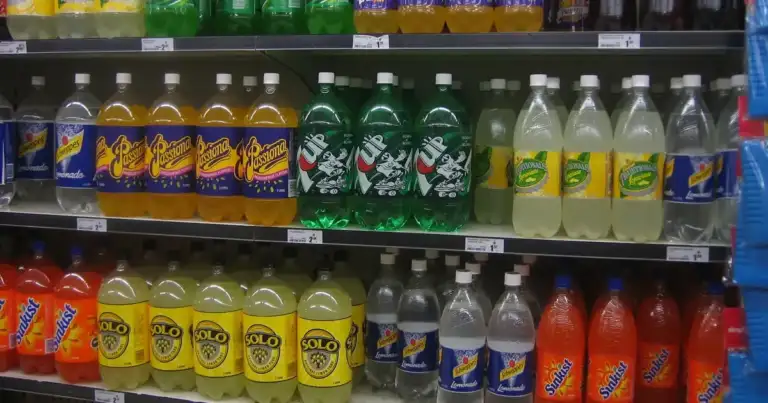

Remember that innocent fizz? That sweet, bubbly comfort in a can? Forget it. Every single sip of soda, once a harmless pleasure, a simple pick-me-up, has been unmasked by the World Health Organization (WHO) as something far more sinister. It is a direct trigger for the terrifying surge of early-onset colorectal cancer in young people.
This isn’t some whispered conspiracy theory or a fleeting health fad. No, the WHO didn’t just drop an advisory; they detonated a bombshell on May 25, 2026. They unequivocally tied heavy consumption of sugar-sweetened beverages (SSBs) to this horrifying, accelerating rise in cancer among those under 50.
We’re not talking about a gentle nudge. This is a staggering 20% increase in diagnoses over the past decade in some regions. A truly shocking, soul-crushing number.
The Sweet Deception Unmasked
The WHO’s landmark report, chillingly titled “Sweetened Futures: The Global Impact of SSBs on Youth Health,” isn’t just a wake-up call. It’s a brutal, unvarnished slap across the face.
This isn’t some light reading. It’s a meticulously compiled indictment, drawing irrefutable evidence from countless peer-reviewed studies across the globe.
The science doesn’t just suggest; it screams it: the tsunami of sugar from sodas ignites chronic inflammation. It utterly wrecks your delicate gut microbiome and turbocharges insulin resistance.
Let’s be crystal clear: these aren’t just trendy health buzzwords for your Instagram feed. They are direct, undeniable, physiological superhighways straight to developing colorectal cancer.
For generations, the beverage industry has peddled these sugary concoctions as utterly innocuous, as harmless as a summer breeze.
They’ve poured billions – yes, billions! – into marketing, weaving soda into the very fabric of our lives. Every birthday, every backyard BBQ, every moment of comfort.
But behind that dazzling, fizzy facade, a silent, insidious killer has been relentlessly brewing. And now, the bill is due.
Young people, so often dismissing early symptoms as mere ‘indigestion’ or ‘a bit of fatigue,’ are suddenly, cruelly, facing life-altering — and often life-ending — cancer diagnoses.
This isn’t a ‘stark reality’; it’s a gut-wrenching, unforgivable tragedy unfolding before our very eyes.
When “Innocuous” Becomes Deadly
But the true, agonizing gut-punch comes with personal realization. How many times have you felt a nagging symptom after casually downing a soda?
A persistent digestive upset, an unexplained fatigue, a subtle shift in your body? How many times did you brush it off?
‘Oh, it’s just indigestion,’ you told yourself. ‘A bit of gas.’ Now, we know.
Those seemingly minor complaints, those fleeting discomforts, weren’t just random annoyances. They were your body’s desperate, muffled early warnings, drowned out by the sweet deception.
The anecdotal reports, meticulously gathered and highlighted by the WHO, are nothing short of chilling.
Imagine the horror: people experiencing these ‘red flag’ symptoms, subtly triggered by their daily soda ritual. They were utterly oblivious that their seemingly innocent treat was a direct, insidious contributor to the cancer festering within.
‘If only I had known,’ they whisper, their voices echoing with regret.
This isn’t merely about cold, hard statistics on a spreadsheet. It’s about shattered lives, families torn apart, and preventable tragedies that stain our collective conscience.
Let’s be unequivocally clear: this isn’t just a health crisis. No, this is a profound, unforgivable crisis of corporate responsibility, a moral bankruptcy laid bare.
For decades, the colossal giants of the beverage world relentlessly pushed these products into every corner of our lives.
Did they know the astronomical sugar content? Absolutely. Did they understand the potential for insidious, long-term harm? You bet they did.
Yet, with a chilling disregard for human well-being, the rivers of profit kept flowing. Their relentless, insidious marketing machine never, ever slowed down.
“The accelerating trend of EOCRC diagnoses among younger adults is undeniable,” the WHO advisory states. “High sugar intake from SSBs contributes to chronic inflammation, gut microbiome dysbiosis, and insulin resistance – all factors now strongly implicated in the development of colorectal cancer.”
There is no escape from these damning facts. The evidence isn’t just ‘overwhelming’; it’s an undeniable tidal wave, crashing down on decades of corporate deceit.
We haven’t just been ‘fed a lie’; we’ve been force-fed a toxic narrative. It was meticulously wrapped in vibrant, alluring packaging and drenched in saccharine, addictive flavors.
The very notion that soda is a harmless, innocent treat is a dangerous relic. It’s a toxic myth from a willfully ignorant past.
It’s not just costing us money; it’s costing us lives, one agonizing diagnosis at a time.
The Price of Sweet Profits
The financial motive behind this unfolding global health disaster isn’t just ‘glaring’; it’s a grotesque, blood-stained monument to greed.
The beverage industry doesn’t just make ‘astronomical sums’; they rake in obscene, unimaginable fortunes.
Their entire business model is a cynical blueprint: cheap, mass-produced ingredients engineered for maximum addiction.
Sugar, that seemingly innocent white crystal, is their golden ticket, their most potent weapon.
And public health? We, the unsuspecting consumers, have been paying the ultimate, irreversible price.
This isn’t merely about individual choices anymore, a simple matter of ‘personal responsibility.’ No, this is about deep, festering systemic issues.
This is about an industry so ruthlessly fixated on shareholder value, so blinded by quarterly reports, that it willingly sacrifices the well-being – indeed, the very lives – of entire generations.
The carefully cultivated myth of soda’s ‘innocuous’ nature wasn’t just a marketing ploy. It was their most cunning, most devastating weapon, lulling millions of trusting consumers into a catastrophic, false sense of security.
Time to Demand Accountability
Source: Google News