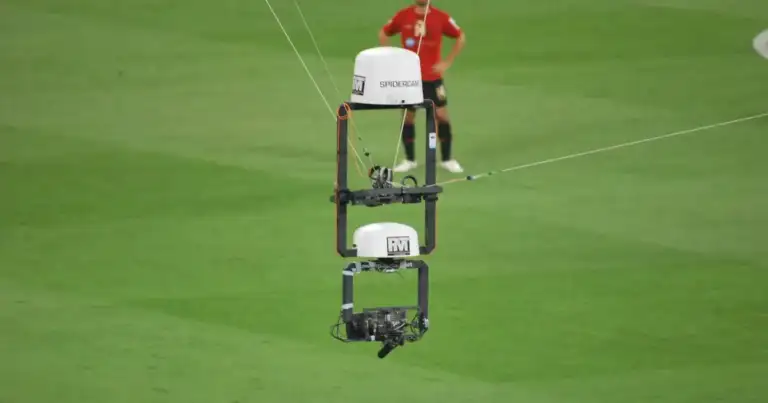

The World Cup semi-finals are upon us, poised to deliver the kind of visceral, heart-stopping drama only football can provide. Yet, a shadow looms larger than any superstar striker: the egregious, persistent intrusion of the Spidercam. This isn’t just a minor technical glitch; it’s a broadcast catastrophe, threatening to desecrate the beautiful game’s most sacred stage.
England, against all odds and the weight of expectation, clawed their way into the semi-finals with a brutal, defiant 2-1 victory over reigning champions France. It was a quarter-final for the ages, played out on Friday, July 10, 2026, at the iconic MetLife Stadium. Captain Harry Kane, a man forged in the heat of high stakes, netted both goals, including a crucial, nerve-shredding penalty in the 78th minute that sealed their destiny.
Not to be outdone, Argentina, fueled by an almost spiritual rivalry, confirmed their own semi-final berth by defeating arch-rivals Brazil 1-0. It was a classic South American clash, decided by none other than the maestro himself, Lionel Messi, who conjured the decisive goal on Saturday, July 11, 2026. The stage is now set for a truly monumental, potentially legendary, showdown.
The Spidercam Scourge: An Affront to the Beautiful Game
So, England versus Argentina on Tuesday, July 15, 2026 – a fixture that should be pure, unadulterated footballing theatre. Instead, a pervasive, infuriating “Spidercam” controversy has descended like a plague.
From the hallowed stands to the living rooms of millions, the aerial camera system has been almost unanimously condemned. It’s not merely intrusive; it’s an arrogant, distracting blight, actively pulling focus from the very essence of the beautiful game.
Imagine paying a king’s ransom for a World Cup ticket, only for your view to be routinely obstructed by a glorified drone. Fans in the upper tiers are rightly incandescent, their sightlines brutally interrupted by a camera flying at unconscionably low altitudes.
For those of us watching from home, the frustration is equally profound. The camera’s incessant presence, obscuring crucial moments of live play and even sabotaging replays, has transformed a premium viewing experience into a maddening game of peek-a-boo for millions.
“Honestly, this Spidercam is getting ridiculous. It’s constantly in shot, blocking the view for fans in the stadium and even on TV. Someone needs to rein it in.” – Gary Lineker, Pundit, via X/Twitter
Gary Lineker, ever the voice of reason, minced no words. He’s not wrong. This isn’t just a minor annoyance; it’s an affront to the viewing public.
The “cinematic” experience so proudly touted by broadcasters is, in reality, a self-indulgent, catastrophic misstep. It’s a cynical prioritization of flashy, ‘dynamic’ shots over the fundamental right to clear, unobstructed viewing.
This isn’t just a basic failure; it’s an existential one for event production at this level.
FIFA’s Tone-Deaf Defense: Corporate Jargon Over Fan Experience
FIFA and Host Broadcast Services (HBS), the architects of this visual calamity, have, with astonishing predictability, doubled down on their disastrous tech.
Their official line? It delivers “unparalleled dynamic camera angles” and “enhances the immersive viewing experience” for billions. What a cynical, hollow piece of corporate boilerplate.
It’s the kind of jargon designed to deflect, not to address genuine outrage.
They grudgingly acknowledge “fan feedback” – a euphemism for widespread fury – yet steadfastly refuse to back down.
Their insistence that camera flight paths are “carefully managed” is not just hollow; it’s an insult to the intelligence of countless fans whose views are demonstrably blocked.
This isn’t innovation; it’s a classic case of technological hubris run amok, trampling over the very customers it purports to serve.
“We are aware of the feedback regarding the Spidercam’s operation. Our priority is to deliver the best possible viewing experience for billions worldwide, andPhoto: Eddie Brian Semaan
Source: Google News