
We trust our phones, our smart speakers, our doorbells to make life easier. But what happens when ‘smart’ tech, meant to serve us, becomes an all-seeing eye?
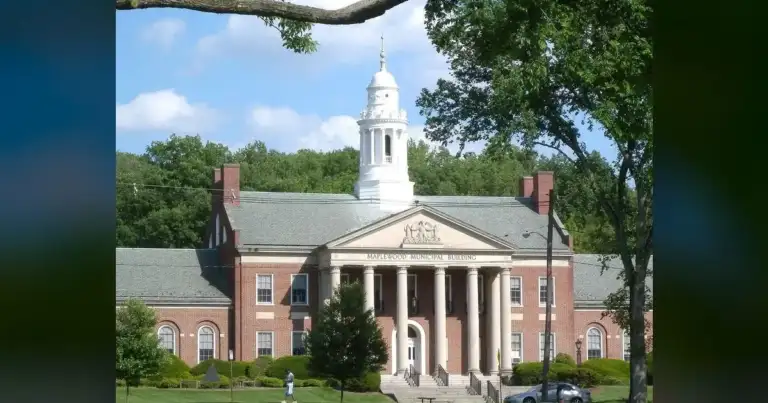
In Maplewood, folks just got a brutal lesson in how fast trust shatters. Their police installed a surveillance system without a single whisper of public consent. It’s a gut punch, plain and simple.
The Gadget They Didn’t Ask For
The Maplewood Police Department (MPD) upgraded their toolkit, big time. Forget grainy CCTV; we’re talking an “AI-powered surveillance camera network.”
This system boasts high-resolution feeds, facial recognition, license plate readers, and behavioral analytics. It doesn’t just record; it actively interprets your movements, patterns, and presence.
Over 30 digital eyes now stare down at Maplewood’s streets. They log and process data that would make a neighborhood watch captain faint.
This isn’t passive recording; it’s active, intelligent monitoring, constantly learning and profiling. It’s the kind of tech promising hyper-efficiency and crime reduction, the sort of pitch that gets federal grants flowing.
Here’s the kicker: the MPD installed this entire system over the past year using a federal grant. Sounds fiscally responsible, right? Saving local taxpayer dollars!
Except it was democratically irresponsible. The Maplewood Chronicle revealed the stark truth on May 16, 2026. The town council had no idea. The public had no idea.
There was zero consultation, zero debate, zero democratic process. Just a quiet, under-the-radar rollout of Big Brother tech.
It’s like buying a high-performance sports car for the town’s fleet without telling anyone. This “vehicle” doesn’t just patrol; it tracks everyone, everywhere, all the time. It’s a fundamental breach of trust.
“For Your Safety” – The Unseen Cost
The immediate fallout? Pure, unadulterated outrage. And rightly so.
Maplewood isn’t a sprawling metropolis; it’s a town proud of its “historic charm and close-knit community.” That community relies on trust, transparency, and open communication.
When police implement a sweeping, privacy-eroding system behind closed doors, what message does that send? It screams, “We know better than you,” and “Your privacy is secondary.” It’s a slap in the face to every resident who believed in that community spirit.
Now, let’s be clear: I’m a tech enthusiast. I absolutely get the allure of these systems. They can be incredibly powerful tools for law enforcement, no question.
Imagine catching a hit-and-run driver in minutes, or preventing a serious crime with predictive analytics. The capabilities are genuinely impressive, almost sci-fi in scope.
But here’s the critical distinction: this tech’s deployment is a social contract, not a mere police procurement order. When you bypass the democratic process, you deny citizens the right to discuss and consent.
You’re not just installing cameras; you’re eroding civic trust. This paves the way for a surveillance state where accountability is forgotten. That’s a dangerous path for any community, especially one valuing close-knit bonds.
The MPD’s move isn’t just a misstep; it’s a calculated end-run around accountability, dressed up in the shiny new clothes of “public safety.”
This isn’t about whether the tech works, or if it could prevent crime. It’s about something far more fundamental: who controls it, who decides its limits, and who signs off on its intrusive gaze.
In Maplewood, a select few made that decision, cloaked in secrecy. They were shielded by a federal grant and executed a quiet installation.
The result? This once “quaint town” is now deeply torn. Not by crime, but by the very guardians who promised safety. What happens when protectors become silent observers, and trust shatters?
Red Marker Verdict: The Power Grab in Plain Sight
Let’s strip away the fluff and call this what it is. This isn’t about better policing, not truly. This is about power and control, plain and simple.
The MPD saw a federal grant as a golden ticket. It allowed them to acquire cutting-edge surveillance without public debate or council approval. They knew citizens would push back hard on a system altering their privacy.
The real motive was to expand their reach and data collection under the radar. They bypassed democratic oversight entirely. Federal money enabled a quiet, insidious authoritarian creep into the town’s fabric.
They got the cash, the tech, and thought they could get away with it. But now, the bill for that arrogance is due. It’s a stark warning to every other town.
What price are we willing to pay for “safety” when it costs us our freedom and our trust?
Source: Google News