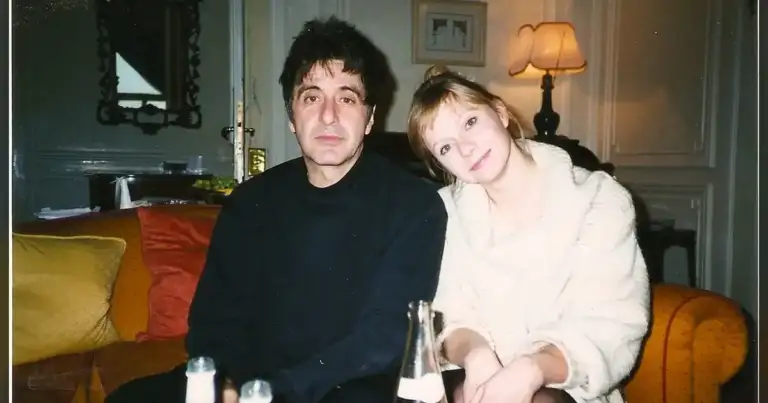

Forget the romanticized myth of Dog Day Afternoon. Al Pacino’s iconic bank heist movie, a staple of Hollywood legend for decades, didn’t just bend the truth – it outright butchered it, scrubbing clean a far grittier, darker reality the silver screen never dared to fully confront.
Sidney Lumet’s 1975 drama painted a sympathetic portrait of a desperate bank robber, yes, but it was a carefully curated lie. Hollywood scrubbed out the grittier, more criminal truth, insisting on a hero where a hardened, deeply troubled crook actually stood. The film, for all its acclaim, gave us a palatable fantasy, not the raw, ugly reality.
The Real Heist: A Cacophony of Chaos
The infamous event unfolded on August 22, 1972, in the sweltering heat of Gravesend, Brooklyn. John Wojtowicz, a Vietnam veteran, and Salvatore Naturile, his young, volatile accomplice, attempted to rob a Chase Manhattan Bank.
Their bizarre, almost unbelievable objective? To fund sex reassignment surgery for Wojtowicz’s partner, Ernest Aron, who would later become known as Liz Eden. A third, utterly amateur accomplice, Bobby Westenberg, bolted within minutes, leaving the remaining duo to botch the job spectacularly.
What followed was not a slick operation, but a wild, chaotic 14-hour hostage standoff that spiraled into a media circus. Wojtowicz, a man clearly desperate and unhinged, became an instant, strange celebrity, famously chanting “Attica! Attica!” to the throngs of onlookers and news crews.
The movie captured this pandemonium with raw energy. Pacino’s performance cemented Wojtowicz as a figure of misguided, almost noble love. But that, precisely, is where the Hollywood sheen began to distort the truth.
Beyond the Silver Screen Myth: Unpacking the Criminals
The film suggests a singular, desperate act of love, almost a romantic gesture gone wrong. The real Wojtowicz, however, was far more complex and troubling than any cinematic anti-hero.
He wasn’t some everyman pushed to the brink. He possessed an existing criminal record, including a prior attempted bank robbery. Deep in debt and spiraling out of control, he faced a mountain of personal demons.
This wasn’t pure love; it was a man hitting rock bottom, flailing wildly for an escape, and dragging others down with him.
Then there’s Salvatore Naturile. In the film, he’s portrayed as a nervous, almost innocent kid, a tragic figure caught in Wojtowicz’s wake. The truth paints a much darker portrait.
Sal was only 18 but already a hardened criminal with a history of violence and petty crime. His death, far from an accident of panic, was the brutal culmination of his dangerous path.
He was shot by an FBI agent while actively trying to escape with Wojtowicz and the hostages, a stark reality the movie deliberately glossed over to maintain its sympathetic narrative.
Liz Eden’s Tragic Reality: No Hollywood Ending
The film hints at a hopeful future for Ernest Aron once the surgery was funded, implying a potential for happiness. The truth was brutally different.
Liz Eden’s life remained incredibly challenging. Money alone cannot solve profound personal struggles, a fact her story underscored.
She battled severe mental health issues for years, spending significant time in a psychiatric hospital. Her story was no Hollywood ending; it was a struggle marked by immense personal pain and societal prejudice.
She tragically died of AIDS-related pneumonia in 1987, years after her surgery, a poignant reminder of the harsh realities she faced.
Wojtowicz’s Unromantic Aftermath
John Wojtowicz got out of prison in 1978 after serving five years, but his life was far from reformed. He continued to have run-ins with the law, unable to escape the criminal orbit.
Financially, he struggled constantly, often complaining bitterly about the movie’s inaccuracies and his paltry compensation. He made a meager $7,500 for his story, plus a minuscule 1% of net profits – a sum that barely covered Eden’s surgery and his own legal fees.
He died of cancer in 2006, a far cry from any romanticized cinematic fate. His life showed a man forever trapped by his past.
The film also implied a significant score, a grand gesture. In reality, Wojtowicz and Naturile only managed to grab about $2,000 from the vault, a paltry sum that was mostly recovered or destroyed. The grand heist was, in fact, a pathetic failure from start to finish.
Hollywood’s Convenient Truth: A Deceptive Mirror
This deep dive forces us to re-evaluate Dog Day Afternoon, not just as a film, but as a cultural artifact. It’s a fantastic movie, no doubt; Pacino’s performance is iconic, a masterclass in desperation.
But we must acknowledge that it deliberately sanitized a gritty, complex crime, twisting reality to fit a more digestible narrative. The movie chose to make its anti-hero more palatable, his accomplice more innocent, and the motivations simpler, cleaner.
It chose love over debt, desperation, and genuine criminality. This isn’t merely about historical accuracy; it’s about how Hollywood, time and again, shapes our understanding of reality, offering us the version we want to believe, not always the one that truly happened. It’s a deceptive mirror, reflecting back our own desires for redemption and romance where none truly existed.
So, the next time Dog Day Afternoon flickers on your screen, remember the polished lie. Remember the real story, the one Hollywood deemed too ugly, too unpalatable, too human for mass consumption. Because sometimes, the most compelling drama isn’t the one we’re sold, but the one carefully hidden beneath the cinematic sheen.
Source: Google News