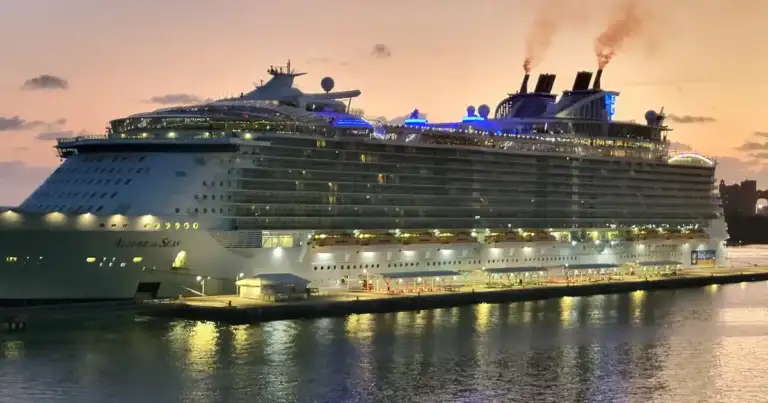

A 10-hour alcohol ban just slapped cruise passengers in the Bahamas, and with it, the intoxicating fantasy of an endless vacation instantly evaporated. This wasn’t some arbitrary whim; it was a stark, unavoidable collision between leisure and the fundamental mechanics of a sovereign nation’s democracy.
The ban, a direct consequence of standard Bahamian election-day restrictions, forced cruise lines like Royal Caribbean to deliver the unwelcome news. Suddenly, tourists docking at iconic destinations like Paradise Island found their celebratory plans replaced with an unexpected, mandatory dry spell. This isn’t just about a missed cocktail; it’s a potent reminder that even our most meticulously planned escapes are subject to the real-world rhythms of governance.
The Uninvited Wellness Reset You Desperately Needed
Passenger fury erupted, predictable as a sunrise. But let’s cut through the noise: their outrage wasn’t about respecting civic duty. It was about a disrupted leisure fantasy, a wrench thrown into their carefully constructed indulgence. One group, celebrating a 40th anniversary cruise, reportedly griped about receiving notice “only two days before” departure. As if the Bahamian government should re-route its electoral process to accommodate their specific booze-fueled milestone. This isn’t inconvenience; it’s entitlement on full display.
From a profound wellness perspective, this incident isn’t a problem; it’s a fascinating, involuntary social experiment. What happens when the relentless flow of vacation alcohol suddenly grinds to a halt? For a brief, impactful 10 hours, these tourists were handed a forced detox. It was an opportunity – whether they recognized it or not – to genuinely hydrate, to explore without the dulling haze of a buzz, or perhaps, just perhaps, to rediscover the sheer clarity of experiencing a destination sober. How many truly remember the architecture, the local sounds, the genuine interactions, when every moment is filtered through a rum punch?
For countless travelers, the entire framework of their vacation revolves around continuous drinking. This unexpected ban didn’t just disrupt; it ripped away that comfort blanket, forcing a moment of unadulterated clarity. That, in itself, is a powerful, if uncomfortable, reset.
Cruise Lines Played the Game, Passengers Paid the Price
Social media is predictably alight with theories, and many hit close to the bone. It’s not a stretch to suggest that cruise companies, particularly giants like Royal Caribbean, had ample forewarning of these election restrictions. Their delayed communication – delivering the bad news mere days before departure – smacks of a calculated strategy to mitigate backlash. It’s a classic corporate maneuver: downplay the inconvenient truth until it’s absolutely unavoidable, hoping passengers are too close to departure to cancel.
The irony here is not merely palpable; it’s glaring. While main ports like Paradise Island were subjected to the ban, private islands such as CocoCay reportedly operated under licensing loopholes, allowing the party to continue. This isn’t an accident. It fuels the suspicion that the cruise industry plays a shrewd, strategic game, always seeking angles to keep revenue climbing, even if it means dealing with complex regulations or delaying critical information to their paying customers. This situation lays bare a core issue in modern tourism: the expectation of an uninterrupted, hyper-indulgent experience. When that expectation is challenged, even by a local government’s democratic process, the underlying sense of entitlement becomes impossible to ignore.
Reclaim Control: Your Body, Your Choices, Your Holiday
Let’s talk about what’s truly within your power. You cannot control election schedules in another country. You cannot dictate corporate communication strategies. But you absolutely, unequivocally control your reaction and your choices. A 10-hour alcohol ban isn’t the end of your world; it’s an unexpected gift. It’s a prime opportunity to hit the reset button on your system, even for a brief window.
Consider the immediate, tangible benefits: less alcohol means significantly better sleep, sharper cognitive function, and the blissful absence of a dehydration headache. This forced pause compels you to engage with your surroundings differently, more authentically. Instead of reaching for another rum punch, grab fresh coconut water from a local vendor or explore a bustling market you might otherwise have bypassed.
This isn’t just about a temporary ban; it’s about cultivating resilience. It’s about adapting and thriving when your comfort zone is unexpectedly shaken. True wellness isn’t found in a perfectly curated, uninterrupted experience. It’s forged in making healthy, empowered choices even when circumstances are less than ideal. This is where personal growth happens.
The unvarnished truth is straightforward: this ban serves a vital purpose for a government ensuring electoral integrity. It’s not a punitive measure against tourists. It’s a modest, entirely predictable action for a functioning democracy. The manufactured outrage from entitled vacationers and the strategic, last-minute communication from cruise lines merely expose how profoundly addicted we’ve become to instant gratification and uninterrupted indulgence.
So, the next time your vacation plans hit an unexpected snag, especially one involving a temporary dry spell, don’t just complain. Don’t fall victim to the outrage machine. Instead, seize it as an unexpected chance to hit the reset button. Your body, your mind, and your overall well-being will undoubtedly thank you for it. True freedom isn’t about having everything your way; it’s about making the most of every situation.
Source: Google News