
A New Frontier in the Fight Against Early-Onset Colorectal Cancer
The medical community, and indeed the public, is abuzz with the news of a truly groundbreaking discovery that promises to redefine our understanding and approach to colorectal cancer (CRC), particularly the alarming surge in cases among individuals under the age of 50. A study, published just two days ago on May 6, 2026, in the esteemed journal Nature Medicine, has not only identified a specific bacterial culprit but has also meticulously detailed the mechanism by which it wreaks havoc on our cellular DNA, paving the way for tumor growth.
Unmasking the Silent Saboteur: Fn-toxin
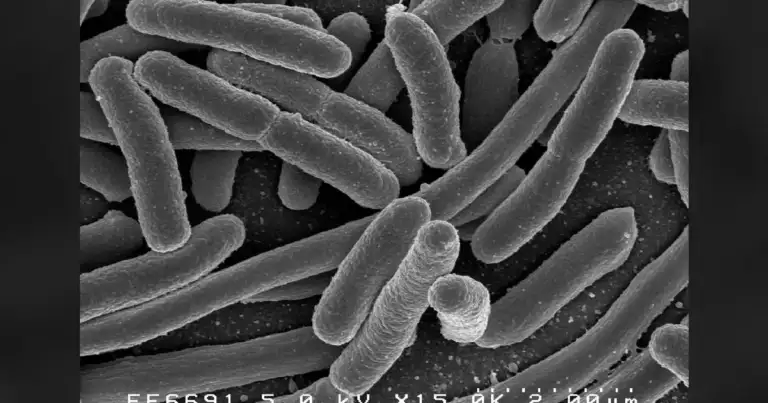
For years, the increasing incidence of early-onset CRC has been a perplexing and tragic trend, leaving researchers and clinicians scrambling for answers. Now, thanks to the diligent work led by Dr. Elena Rodriguez at the Broad Institute, we have a critical piece of the puzzle. Their research has pinpointed a novel toxin, aptly dubbed Fn-toxin, produced by a newly characterized strain of Fusobacterium nucleatum. This isn’t just another bacterium; it’s a direct agent of cellular damage.
The study’s findings are stark: Fn-toxin directly compromises the integrity of colon cell DNA. Imagine your body’s genetic blueprint being systematically chipped away, creating an environment ripe for uncontrolled cellular proliferation and, ultimately, rapid tumor growth. What makes this discovery even more significant is the direct correlation found between the prevalence of this specific Fn-toxin strain in the gut microbiomes of younger patients diagnosed with early-onset CRC. This isn’t a mere association; it’s a strong, mechanistic link that demands our immediate attention.
“This discovery marks a critical step towards understanding the etiology of early-onset CRC and opens new avenues for targeted diagnostics and therapies,” stated one researcher closely following the developments.
Implications Across the Spectrum: From Lab to Life
The reverberations of this research are already being felt across various sectors. The scientific community is understandably electrified. This is more than just an interesting finding; it’s a major breakthrough that could fundamentally reshape prevention and treatment strategies for CRC. Discussions are already underway for follow-up studies, focusing on developing inhibitors for Fn-toxin and exploring its potential role in other forms of cancer. The possibilities are immense.
The biotech and pharmaceutical industries, ever vigilant for innovation, are seeing immense commercial opportunities. Reports suggest that companies are already initiating internal reviews and exploring potential partnerships. The race is on to develop diagnostic tests that can identify the presence of Fn-toxin in individuals, allowing for early intervention. Furthermore, the prospect of targeted therapies—be it novel antibiotics, bacteriophages, or small molecule inhibitors designed to neutralize the toxin’s effects—is a tantalizing one. Investment firms are closely monitoring companies with established expertise in microbiome research and oncology, anticipating significant shifts in the market.
A Paradigm Shift for Healthcare and Public Health
For healthcare providers, particularly gastroenterologists and oncologists, this research heralds a potential paradigm shift. They anticipate a necessary evolution in screening protocols and the development of more personalized treatment plans, especially for their younger patients. The ability to identify high-risk individuals before symptoms manifest, or to offer more precise interventions based on the presence of this specific toxin, would be a monumental step forward in patient care. The eagerness for new tools to combat this aggressive form of cancer is palpable.
Meanwhile, public health advocates are emphasizing the urgent need for widespread public awareness campaigns. Understanding the intricate link between gut health and such a devastating disease underscores the importance of lifestyle interventions. Diet, exercise, and other factors influencing our microbiome could take on an even greater significance. Furthermore, these advocates are rightly highlighting the crucial need for equitable access to any new diagnostic and treatment options that emerge from this research, ensuring that the benefits reach all segments of society, not just a privileged few.
As discussions intensify within the medical and biotech communities regarding immediate next steps for clinical trials and diagnostic tool development, the hope is that this discovery will not just lead to better treatments, but also to a future where early-onset CRC is no longer a growing threat to our younger generations. The journey is long, but the path forward has just become significantly clearer.
Source: Google News