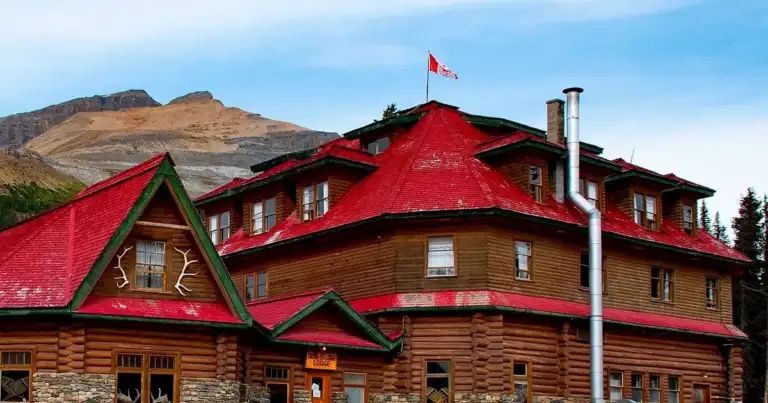

Another young life, another grim tally in the ledger of reckless bravado. A 19-year-old tourist from Arizona, chasing an adrenaline rush or perhaps just a fleeting moment of digital glory, plunged into the unforgiving, fast-moving waters of Canada’s iconic Banff National Park. What began as a dream vacation dissolved into an absolute, gut-wrenching nightmare.
The incident, occurring just days ago, has sent a chilling tremor through the tourism community. This young individual, visiting one of North America’s most breathtaking natural wonders, made a fatal miscalculation. They utterly disregarded the immense, brutal power of glacial rivers and the bone-chilling cold.
This wasn’t an accident; it was a choice with devastating consequences.
The Fatal Plunge in Banff: A Reckoning with Nature
While details are still being pieced together, the stark truth remains: a young person from Arizona willingly entered dangerous waters in Banff National Park, Canada. The outcome was swift, brutal, and utterly devastating.
Emergency services responded with their usual professionalism, but the powerful, icy currents left little room for hope. It was a recovery mission, not a rescue.
Banff’s rivers, fed by ancient, indifferent glaciers, are a spectacle of beauty and a display of nature’s raw, untamed force. Their speed and sub-zero temperatures are not merely “to be respected”; they are to be feared.
This isn’t some chlorinated swimming pool; it’s a primordial force, indifferent to human hubris. Yet, time and again, some foolishly believe they can conquer it with youthful audacity, mistaking courage for sheer idiocy.
Invincibility, Vanity, and the Instagram Effect
Why do young people continue to court such extreme risks? Part of it, undoubtedly, is the age-old illusion of invincibility. Youth often breeds a dangerous confidence, a belief that rules and warnings apply to everyone else.
But there’s another, far more insidious factor at play in our modern age: the relentless, soul-sucking pursuit of online validation.
How many “epic” photos or “viral” videos demand increasingly dangerous stunts? The pressure to capture that one unbelievable moment, that perfect shot for the feed, can blind individuals to the most glaring, obvious dangers. A stunning backdrop like Banff National Park becomes less about appreciating nature’s majesty and more about performing for an invisible audience, sacrificing common sense at the altar of likes and shares.
Let’s be clear: this isn’t about blaming social media entirely. It’s about recognizing how it amplifies poor judgment, how it weaponizes vanity.
The desperate desire for digital affirmation can override basic survival instincts, turning common sense into a casualty. This tragedy isn’t just a stark reminder; it’s a screaming siren for that dangerous calculus playing out across our screens and in our wild spaces.
Park Safety vs. Personal Responsibility: Where Do We Draw the Line?
National parks face an impossible, thankless task. They must preserve wild, often dangerous spaces while simultaneously accommodating millions of visitors. Many seem determined to test the limits of their own mortality.
Warnings are plastered everywhere: signs, brochures, ranger advice, even direct verbal counsel. Yet, people still ignore them, often with dire, irreversible consequences.
After every similar incident, the predictable debates erupt. Should there be more fences? More explicit, perhaps even graphic, warnings?
Greater restrictions on access? But at what point does personal responsibility kick in?
Can we truly fence off every single natural hazard, every cliff edge, every treacherous current, without turning these wild places into sanitized, theme-park versions of themselves?
The answer, plainly, is no. Common sense is not something parks can install like a guardrail. Respect for nature’s power is learned, often the hard way.
It cannot be legislated or engineered into existence. This incident powerfully underscores that crucial, often ignored, point.
As a seasoned park ranger might grimly state:
“We can put up all the signs in the world, but we can’t fix stupid. Nature doesn’t care about your bucket list or your selfie stick. It just is.”
This isn’t an isolated incident. Every year, we witness similar stories from national parks across the continent. People push limits, often with tragic results.
It’s a pattern, a recurring nightmare, that needs to stop. The cost isn’t just measured in lives, but in the trauma inflicted on first responders and the emotional toll on park staff who witness these preventable deaths.
The Devastating Ripple Effect: A Warning to the Reckless
The immediate, searing pain belongs to the family of this young Arizona tourist. Their vacation, meant for joy and exploration, ended in unimaginable grief, a void that will never be filled. That family will carry this unbearable burden forever, their lives irrevocably altered by one impulsive, fatal decision.
Local communities in tourist towns, like those surrounding Banff, also feel the impact. They grapple with the delicate balance of compassion for victims against the economic realities of attracting visitors. But let’s be blunt: no amount of tourism revenue is worth a preventable death, especially one born of avoidable recklessness.
This tragedy serves as a grim, undeniable warning. It’s a loud, clear, and utterly unforgiving message for every thrill-seeker, every aspiring influencer, every individual who believes themselves above the laws of nature.
Nature is not a playground for your ego, a backdrop for your vanity, or a prop for your Instagram feed. It is powerful, indifferent, and utterly unforgiving.
Respect the warnings. Respect the environment. Most importantly, respect your own precious, fragile life.
Because once that line is crossed, there is no turning back, only the cold, silent embrace of consequences.
Source: Google News