
Imagine dedicating your childhood to a hit TV show, making millions for a studio, only to discover, years after your death, that your residual pay amounted to a paltry $12.74. This isn’t a hypothetical horror story; it’s the grim, shocking reality that recently came to light for Dustin Diamond, the beloved ‘Screech’ from Saved By The Bell. It’s a brutal, unforgiving lesson in the true cost of early fame and what happens when the cameras stop rolling – a lesson every ambitious professional needs to heed.
Two years after Diamond’s tragic death at 44 in February 2021, the Discovery+ documentary Hollywood Demons reignited this painful conversation. The program explored his life, his struggles, and the truly meager residuals from his iconic role as Screech – a revelation that sent shockwaves through an industry often quick to forget its past.
The internet, predictably, erupted. Skepticism over the documentary’s timing and content wasn’t just chatter; it was a roaring condemnation.
Reddit and Twitter users tore into the production, calling it a blatant act of posthumous character assassination rather than genuine journalism. Was this a tribute, or just another opportunistic cash grab at the expense of a troubled legacy?
Hollywood’s Harsh Reality Check
This wasn’t merely about Dustin Diamond; it was a furious indictment of a systemic industry failing. The online community saw the “$12.74 check” theatricality for what it was: a grotesque symbol of exploitation.
Let’s be blunt: the raw deal handed to child stars isn’t some fresh revelation. This isn’t news; it’s a decades-old wound, consistently ignored by the very power brokers who profit from it. How many more young lives must be chewed up and spit out before real change happens?
While the documentary resurfaced claims about Diamond’s past actions – a common tactic to muddy the waters – his own father provided a crucial counter-narrative. He stated Diamond earned roughly $1,250 per week during Saved By The Bell’s run.
Understand this distinction: that figure, while not insignificant for a teenager, represents upfront salary. It has absolutely no bearing on residuals, which are a completely different beast, a stream of income that should continue long after the initial work is done. This is where the industry’s shell game truly begins.
Here’s the cold, hard truth: administrative costs, exorbitant agent fees, and murky contractual clauses are designed to systematically eat into earnings. Young talent, often dazzled by the spotlight, frequently signs away future earnings without any real comprehension of what they’re sacrificing.
They simply don’t grasp the long-term value of their work, their image, or their intellectual property. This isn’t just a ‘critical business error’; it’s a catastrophic failure of foresight, often facilitated by a system that preys on naiveté.
The Business of Child Stardom
For any aspiring professional, this entire saga isn’t just a ‘stark reminder’; it’s a blaring siren. The entertainment industry is a business, first and foremost – a ruthless, cutthroat enterprise built on ironclad contracts, hidden clauses, and calculated risks.
Child actors, by their very definition, are inherently ill-equipped to handle these treacherous waters. They’re children, not seasoned negotiators.
And let’s be honest: their parents or guardians are often just as ill-equipped, blinded by the perceived glamour and immense pressure from studios and agents. They’re often outmatched, outmaneuvered, and ultimately, outfoxed.
The result? Unfavorable terms that don’t just ‘haunt’ a performer’s financial future; they actively sabotage it for decades. This isn’t just bad luck; it’s a systemic vulnerability.
The public’s cynicism regarding Discovery’s timing isn’t just ‘understandable’; it’s righteous. Many saw it as ‘vulture capitalism,’ a network shamelessly monetizing generational trauma and exploiting a dead man’s struggles for ratings.
And what did they offer in return? Zero real solutions, zero deeper insights into industry reform. Just another spectacle, another dollar earned from someone else’s pain. Where is the accountability?
The actual two-year gap between Diamond’s death and the documentary’s release still raised serious eyebrows. It wasn’t just a coincidence.
The prevailing theory, a highly plausible one, is that the production waited until the market for ‘dark Hollywood’ content reached its peak saturation. This isn’t merely ‘calculated timing’; it’s a cold, hard business decision, engineered to maximize viewership and profit, regardless of the ethical implications.
Protecting Your Legacy and Your Wallet
For any young, ambitious individual eyeing the spotlight, let me be crystal clear: this isn’t just a ‘wake-up call’; it’s a five-alarm fire. You must understand every single line of your contract – not just read it, but dissect it.
You must secure independent legal counsel, a shark who works solely for you, not for the studio or the agent. Never, under any circumstances, rely solely on agents or managers.
Their interests are inherently conflicted; they will never perfectly align with yours. Your career is your business; treat it like one.
True success in this brutal industry isn’t just about fleeting fame or a viral moment. It’s about building a sustainable, resilient career.
It demands aggressive protection of your intellectual property – your image, your work, your brand.
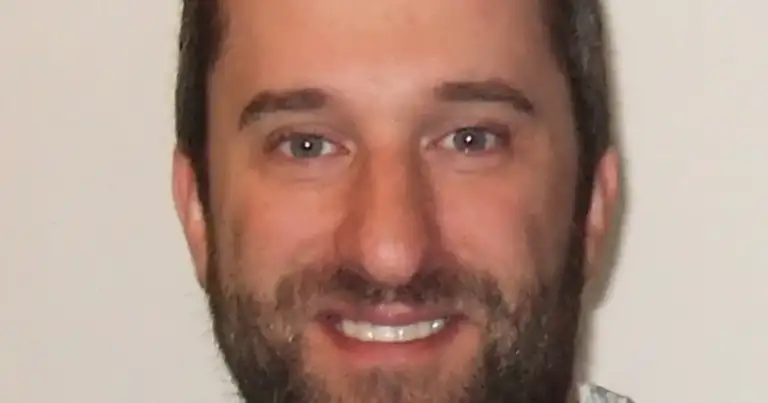
Photo: Wikimedia Commons (query: Dustin Diamond)
Source: Google News