
Let’s be brutally honest: when the headlines scream about the Minnesota Timberwolves targeting titans like Giannis Antetokounmpo or Ja Morant, your first reaction isn’t usually a surge of hope. It’s more often a collective, weary eye-roll. This isn’t serious basketball analysis; it’s pure, unadulterated fantasy, meticulously crafted for clicks and fleeting online buzz.
A prominent sports publication, The Athletic, recently fanned these flames. Their article, published on May 15, 2026, predictably sent the internet into a frenzy.
Titled “Timberwolves’ Offseason Blueprint: Ranking 5 Blockbuster Trade Targets to Elevate the Franchise,” it didn’t just float hypothetical scenarios. It launched them into the stratosphere, inviting fans to dream impossible dreams.
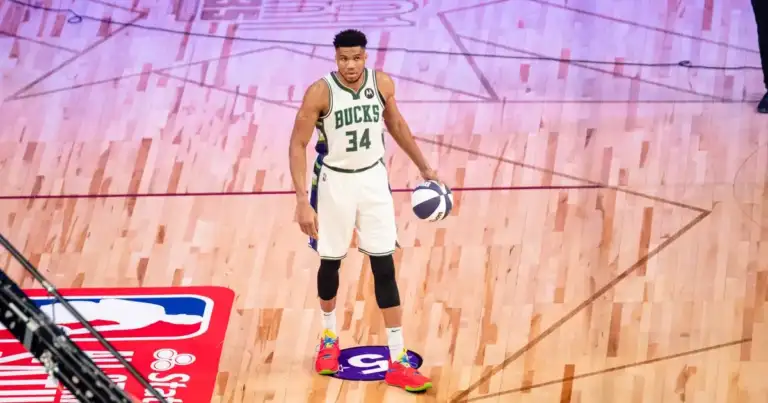
Among the gilded names dangled before hungry Timberwolves fans were Giannis Antetokounmpo of the Milwaukee Bucks and Ja Morant of the Memphis Grizzlies. The article boldly suggested the Wolves might pursue a “swing-for-the-fences” move, a desperate heave for a superstar.
This comes after Minnesota, despite showing tantalizing flashes of brilliance, still found itself falling short of deep playoff contention. A lingering taste of “what if?” remains in the mouths of its loyal fanbase.
The Grand Illusion of Blockbuster Trades
Let’s cut through the noise, the wishful thinking, and the digital ink spilled. The very notion of the Timberwolves acquiring Giannis Antetokounmpo isn’t just improbable; it’s bordering on absurd.
This isn’t merely about contract logistics, though those are formidable enough. Giannis is the undisputed heart and soul of the Milwaukee Bucks, signed through the 2027-28 season with a player option for 2028-29.
More than that, he embodies loyalty at a time when it often feels like a forgotten virtue. He’s a two-time MVP, a champion, and a man who has woven himself into the very fabric of Milwaukee.
Think for a moment about the profound human impact. Giannis has meticulously built his “Greek Freak” brand, his legacy, and his family life in Milwaukee.
The idea of uprooting his entire world – moving his family, adapting to a new city, a new fan base, and an entirely different team culture – that’s a seismic shift for any player. It’s especially true for one so deeply ingrained in his current team’s identity.
And for what? The Bucks, quite rightly, would demand a truly historic package. This would include a king’s ransom of young players, multiple unprotected first-round picks stretching into the next decade, and numerous pick swaps.
Let’s be blunt: Minnesota simply doesn’t possess that kind of war chest. They would utterly gut their entire future and current roster, leaving them with one superstar and a barren landscape.
Then there’s Ja Morant. His talent is undeniable, breathtaking even. He’s a dynamic, electrifying point guard, currently on a max contract with the Memphis Grizzlies through the 2027-28 season, with a player option for 2028-29.
From a purely narrative perspective, a trade could offer him a fresh start. It’s a chance to rebuild his image away from Memphis’s often intense, sometimes unforgiving spotlight.
This would be a significant lifestyle change, focusing purely on basketball in a potentially less chaotic, more focused environment. The human element of a fresh start is always compelling.
However, Morant’s trade value is undeniably complicated by past off-court issues. While his on-court brilliance is unquestioned, any team acquiring him would be taking on a palpable risk. It’s a gamble on both his talent and his maturity.
And once again, the Grizzlies, despite any PR challenges, would still demand a significant package of young talent and multiple first-round picks for their franchise player. Let’s face it: Minnesota’s cupboard isn’t that deep after previous moves to acquire their current core. They’ve already spent a lot of their future capital.
The Cold Splash of Reality: What Minnesota Actually Has
The Timberwolves are a good team, certainly. But let’s not confuse “good” with “great,” or “contender.”
They recently suffered a brutal loss to the San Antonio Spurs, a game that felt less like a contest and more like a coronation for the opposition. Their season record stands at 49-33, respectable enough, but a stark contrast to the Spurs’ dominant 62-20.
Minnesota has talent, no doubt about it. In that humbling Spurs game, Anthony Edwards showcased his star potential with a strong scoring effort. Naz Reid added a solid performance off the bench, and Ayo Dosunmu tried to keep the offense flowing with multiple assists.
But those individual efforts simply weren’t enough. The Spurs, led by sensational performances from Stephon Castle and buoyed by De’Aaron Fox’s playmaking, didn’t just beat them; they ran them off the court. This was a clear statement of where Minnesota truly stands in the league’s hierarchy.
The Timberwolves roster includes solid, impactful players like Rudy Gobert and Karl-Anthony Towns. They have a foundation, yes, but they absolutely do not have the disposable assets – the draft picks, the young, high-upside talent – to acquire a legitimate, top-tier superstar.
They would have to sacrifice their entire future and gut the very foundation they’ve painstakingly built. It’s a cruel paradox: to get a superstar, they’d have to give up everything that makes them appealing to a superstar in the first place.
The core of the problem here? The Athletic’s article, while undoubtedly well-written and engaging, is less a market forecast and more a content generator. It’s a permission slip for fans to argue about impossible scenarios, to engage in the kind of “what if” discussions that fill sports talk radio and online forums, but rarely materialize on the court.
People, especially those who follow the game with a discerning eye, are growing tired of this “fake-serious wishcasting” dressed up as legitimate journalism. It’s a disservice to the real complexities of team building and player movement.
The True Cost of a
Photo: Wikimedia Commons (query: Timberwolves)
Source: Google News