
Forget the glitz and the global fanfare for a second. FIFA isn’t just bringing the World Cup to Dallas; they’re bringing a full-blown cultural demolition crew.
Pop star Kacey Musgraves is leading a furious backlash against the organization. A beloved, multi-million dollar Dallas mural was unceremoniously painted over, all for the sake of corporate branding. This isn’t just about a wall; it’s about erasing a city’s soul for a quick buck.
For over a decade, this vibrant artwork wasn’t just paint on a brick wall. It was a landmark, a meeting point, a backdrop for countless Instagram posts, and an undeniable piece of Dallas’s artistic fabric.
Now, it’s gone. Obliterated this week to make way for generic FIFA World Cup 2026 branding. Dallas might be thrilled to host several matches, but is this the price of admission?
The bulldozers of corporate image started rolling around May 15th. By May 16th, the original art was completely erased, leaving behind a stark, soulless white wall awaiting FIFA’s bland insignia. What’s truly galling? This entire operation was pushed through with zero consultation, completely bypassing the local art groups and cultural stewards who nurtured this city’s creative spirit.
Dallas’s Style Under Attack
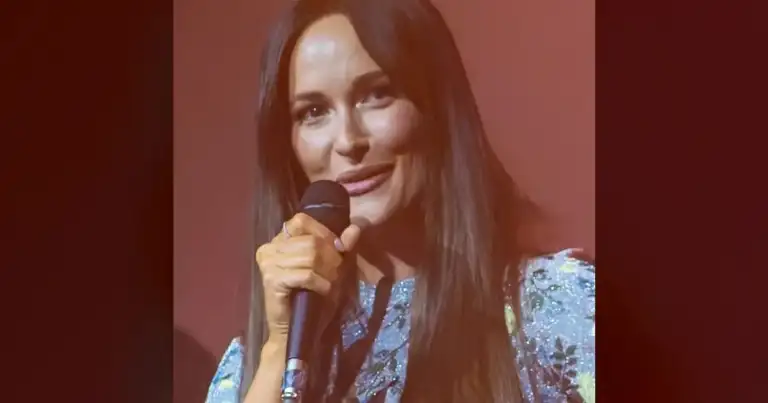
Kacey Musgraves, a proud Texas native and an undisputed style icon, unleashed a digital firestorm. On May 16th, she took to social media, her words cutting through the corporate PR spin like a laser.
She branded the move “cultural vandalism” and a “disrespectful erasure of Dallas’s unique style.” Musgraves drove home the point that this mural wasn’t just art; it was a cornerstone of the city’s visual identity, a piece of its very soul.
“Absolutely heartbroken and furious to see Dallas’s iconic mural painted over for FIFA. This wasn’t just a painting; it was the soul of that block, a backdrop for countless memories, and a huge part of our city’s unique style. This is cultural vandalism, plain and simple. What a disrespectful erasure of Dallas’s authentic vibe for some generic branding. #SaveDallasArt #FIFAFail”
— Kacey Musgraves, via social media, May 16, 2026
Her posts didn’t just ‘explode’ online; they detonated, racking up hundreds of thousands of likes and shares within hours. The hashtag #SaveDallasArt didn’t just hit 5 million impressions by May 17th; it became a rallying cry, a digital tsunami of public outrage. This isn’t just about celebrity influence; it’s about a powerful voice amplifying a legitimate grievance, proving that when culture is threatened, people will fight back.
It wasn’t just Kacey. Local artists and cultural groups, their creative hearts bleeding, immediately joined the protest. They staged a poignant demonstration near the now-barren mural site, a silent vigil for lost art.
Many wore custom t-shirts emblazoned with vibrant images of the lost artwork. They turned their bodies into canvases, their clothing a defiant, walking statement against this corporate takeover and the homogenizing forces of global branding.
The Cost of Corporate Branding
Let’s talk numbers, because that’s what FIFA understands, right? This mural wasn’t just pretty; it was a bona fide asset, independently valued at a staggering $15 million.
That figure reflects its immense size, its unparalleled prominence in the city, and its undeniable cultural impact. To simply paint over such an irreplaceable masterpiece for a temporary logo isn’t just a slap in the face; it’s a blatant, unapologetic declaration that advertising revenue trumps artistic value, community heritage, and local identity every single time.
Of course, FIFA and the Dallas World Cup Host Committee are spinning a different narrative. From their ivory towers, this is just “standard branding protocol.”
They demand consistent, sterile imagery across all host cities, a uniform aesthetic designed to maximize advertising dollars and global visibility. It’s about control, not culture.
Sure, the World Cup dangles the carrot of “huge economic benefits,” with estimates suggesting a juicy $300-$500 million in direct spending per host city. But let’s be real: at what point does the pursuit of profit become cultural cannibalism? What is the true cost to Dallas’s aesthetic soul, to its unique identity, when you pave over its history for a temporary billboard?
“We were given minimal notice. This mural represented years of artistic effort and community engagement. To see it covered up so unceremoniously for corporate advertising is a profound insult to our artists and our city’s cultural identity. It’s a loss of a $15 million asset, but more importantly, a loss to Dallas’s aesthetic soul.”
— Maria Rodriguez, Director of Dallas Arts Alliance, via Dallas Morning News, May 16, 2026
This isn’t some isolated incident; it’s a grim pattern. Public art often finds itself on the chopping block when major global events roll into town.
London, for instance, faced similar criticism during the 2012 Olympics when vibrant street art was whitewashed for official signage. But the sheer scale and independently verified $15 million value of this particular Dallas mural isn’t just ‘standing out’; it’s setting a new, alarming precedent for cultural disregard.
Who Wins When Authenticity Dies?
Kacey Musgraves isn’t just a pop star with an opinion.
Source: Google News