
Forget what you thought you knew about #MeToo’s lasting impact. Cate Blanchett just threw a bucket of cold water on the whole narrative, claiming the movement “got killed very quickly” – even as women reportedly outnumber men more than seven to one on film sets. This isn’t just industry chatter; it’s a stark, uncomfortable look at where workplace health and accountability truly stand in Hollywood today.
Blanchett, never one to mince words, spoke at the “Future of Filmmaking: Wellness & Ethical Practices Summit” in Los Angeles. Her target: the cultural shifts (or lack thereof) hitting the entertainment sector. Her laser focus was on the real impact of #MeToo on mental health and ethical practices, cutting through the PR-speak to deliver a blunt assessment.
The acclaimed actress hammered home a critical point: the industry must fundamentally evolve how it treats its workforce. It’s not just about box office numbers or shiny awards; it’s about the damn people who make the magic happen.
#MeToo’s Fading Echo: A Brutal Reality Check
Blanchett didn’t deny #MeToo’s initial seismic shockwave. It tore through the industry, exposing widespread, systemic abuse. But her argument is chillingly direct: its momentum faded fast, leaving a trail of unfulfilled promises.
“The #MeToo movement got killed very quickly,”Blanchett stated, painting a grim, undeniable picture of an initiative that started strong but withered on the vine.
This raises serious, uncomfortable questions about accountability. Did the industry truly change, or did it just sweep the dirt under a bigger rug? The conversation, she noted, quickly pivoted from identifying predators to a more palatable, less confrontational focus on “psychological safety.” While important, this shift, in her view, diluted the original, urgent call for justice.
Then there’s the jarring statistic. Blanchett claimed women still outnumber men more than seven to one on film sets. Let that sink in.
This isn’t a marginal difference; it suggests a massive, overwhelming presence of women in the workforce. So, if women are everywhere, yet the movement “died quickly,” what does this numerical advantage actually mean?
Are women present but still not genuinely empowered? Are they simply filling roles without wielding real influence or safety? It’s a complex, often contradictory reality that demands a harder look than Hollywood has been willing to give.
Ethical Grooming: Reclaiming Mentorship
Blanchett also tackled the loaded concept of “grooming.” Post-#MeToo, the word became synonymous with predatory behavior. She wants to reclaim its positive, original intent. True professional “grooming” isn’t about exploitation; it’s about genuine mentorship. It means nurturing talent with respect, clear boundaries, and a genuine interest in an individual’s growth – not their vulnerability.
This distinction is crucial for any healthy career path. Young artists, regardless of gender, crave guidance. They need to feel empowered, not exposed or vulnerable. Senior figures, particularly men in positions of power, must step up as real mentors. Their role is to uplift and guide, not to exploit or abuse. This isn’t some touchy-feely ideal; it’s a fundamental requirement for a functional, ethical workplace.
For any man looking to advance, or already leading, this message is vital. Mentorship is key to building a legacy and a strong team.
Knowing the absolute line between guidance and exploitation isn’t just “paramount” – it’s a non-negotiable professional and moral imperative. It protects everyone involved, fostering a stronger, healthier industry for all.
Anything less is a failure of leadership and character.
Mental Health: The Unseen Costs of Creativity
The conversation has undeniably broadened. It’s no longer just about naming names and shaming abusers – though that remains a critical component of justice. It’s about comprehensive strategies for psychological safety, robust support systems, and a fundamental re-evaluation of how an industry built on intense pressure and creative demands impacts the human beings within it.
Blanchett put it plainly, cutting through the usual industry platitudes:
“The health of our industry is not just measured by box office numbers or awards, but by the mental and emotional well-being of every single person who contributes to it.”This isn’t just a philosophical statement; it’s a fundamental truth that too many studios and production houses have conveniently ignored for too long.
A respectful, supportive work environment isn’t a luxury; it’s essential. Without it, talent burns out, creativity withers, and the industry suffers a slow, self-inflicted wound. This focus on mental health is a necessary evolution, a recognition that the creative process doesn’t – and shouldn’t – come at the cost of personal well-being. It’s a standard every workplace, not just Hollywood, should adopt and enforce with unwavering commitment.
Blanchett’s remarks aren’t just a wake-up call; they’re a direct challenge. The initial #MeToo fire may have dimmed, its momentum deliberately stifled, but the core demand for ethical workplaces and genuine, non-exploitative mentorship is stronger than ever. So, is the industry truly evolving, or are we just watching a slow-motion rewind? The answer depends on what men, and women, demand next – and whether they’re willing to fight for it.
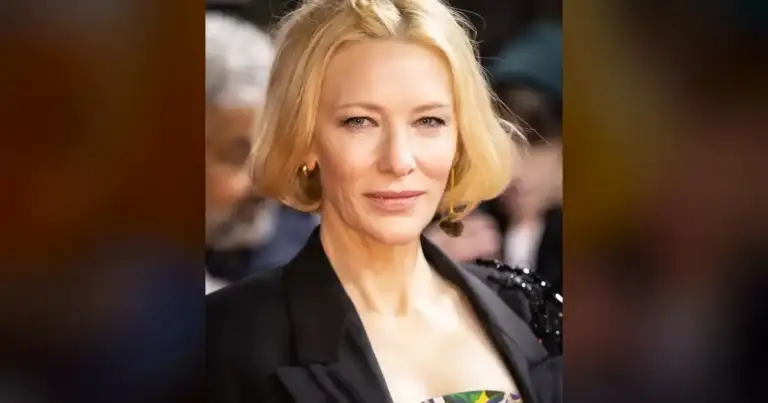
Photo: Harald Krichel
Source: Google News