
Forget the future of frictionless shopping in Maryland. Governor Wes Moore is about to slam the brakes on self-checkout, effectively ending the automated era for many retailers across the state. This isn’t just a tweak; it’s a bold legislative statement that could reshape how you shop and how businesses operate.
The core of this seismic shift lies in House Bill 345, the “Retail Employee Protection and Consumer Experience Act.” It’s not an outright ban, no. Instead, it mandates such strict staffing ratios for self-checkout kiosks that most businesses will find them economically unviable. The Maryland Senate passed HB 345 on May 8, 2026, with decisive bipartisan support, reflecting a growing sentiment that convenience has come at too high a cost.
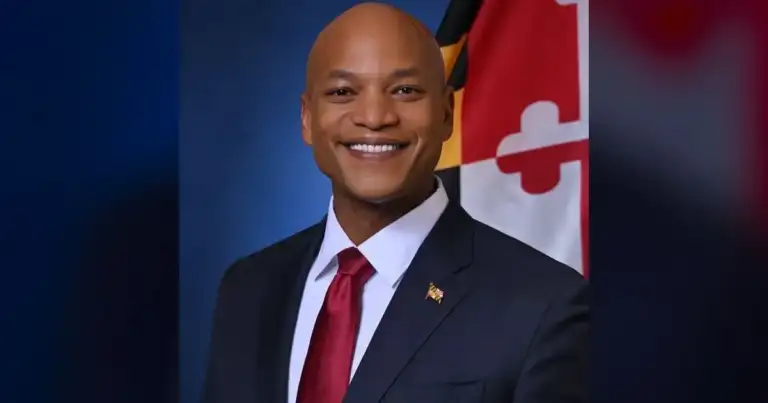
Governor Moore’s office confirmed on May 9, 2026, that he fully intends to sign the bill. This move isn’t born of whimsy; it’s a direct response to escalating concerns about retail theft, the erosion of good jobs, and a palpable decline in customer service. Maryland is taking a stand, challenging the very notion that automation is always progress.
The Human Touch vs. The Machine: A Battle for the Checkout Lane
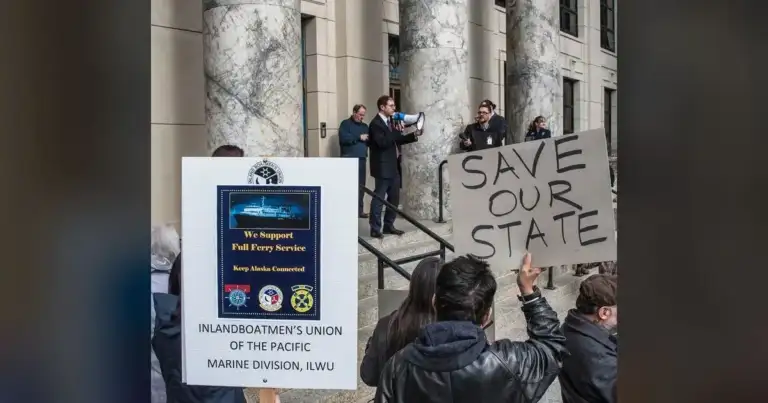
Labor unions and consumer advocates are understandably hailing this as a monumental victory. The Maryland Retail Workers’ Alliance projects this bill will inject 8,000 to 12,000 new cashier jobs into the state economy. But it’s more than just job creation; they argue it will dramatically enhance the shopping experience and, crucially, curb retail “shrinkage”—the industry’s polite term for inventory loss, often due to theft.
Let’s be blunt: self-checkout lanes have become a magnet for theft. A comprehensive 2025 National Retail Federation report revealed that stores heavily reliant on self-checkouts experienced a staggering 15-20% higher inventory shrinkage. This bill isn’t just about putting people back to work; it’s about plugging a multi-million-dollar leak that ultimately hurts consumers through higher prices.
“This is a monumental victory. For too long, workers have been stretched thin, and shoppers have been frustrated. Maryland is showing the nation that good jobs and good service don’t have to be sacrificed for automation.”
Sarah Jenkins, President, Maryland Retail Workers’ Alliance
And consumers? They’re tired of playing cashier, scanner, and tech support all at once. A 2025 Consumer Reports survey found a compelling statistic: 67% of Maryland shoppers preferred a human-staffed checkout for purchases exceeding 10 items. When you’re doing a significant grocery run, you want interaction, efficiency, and someone else to handle the scanning. Isn’t that what we pay for?
The Real Price of Progress: Who Bears the Cost?
Of course, not everyone is popping champagne. The Maryland Retailers Council is sounding a stark warning. They contend these new staffing mandates will impose substantial, perhaps crippling, operational costs on businesses already facing razor-thin profit margins.
David Chen, CEO of the Maryland Retailers Council, didn’t mince words.
“While we respect the legislative process, this bill places an undue burden on Maryland businesses. We are concerned it will lead to higher operating costs, which ultimately get passed on to consumers, and could stifle retail growth in the state.”
David Chen, CEO, Maryland Retailers Council
Their estimates are sobering: large retailers could see labor costs jump by 5-10%. What does that mean for your wallet? A potential 1-2% increase in consumer prices across the state. That’s not theoretical; that’s real money out of your pocket, every time you shop.
And what about the backbone of our communities—the smaller, independent retailers? They may struggle even more to meet these new staffing requirements, potentially forcing agonizing decisions, even closures. The ripple effect extends to technology companies that have invested heavily in self-checkout solutions, now seeing their market in Maryland evaporate. This isn’t just about big box stores; it’s about the entire retail ecosystem.
Maryland’s Gauntlet: Will Other States Follow?
Maryland’s decision is more than a local policy; it’s a defiant challenge to a two-decade march toward automation. This isn’t merely a regional squabble; it’s a national flashpoint, igniting a crucial debate about the future of retail jobs and the very essence of the consumer experience. The burning question now is: will other states dare to follow Maryland’s lead, or will this prove to be an isolated, perhaps even quixotic, stand?
The early indicators from elsewhere suggest a challenging path for similar legislation. Take California, for instance, where a bill (SB 1446) with comparable restrictions was swiftly met with public outcry. The internet exploded with memes comparing the proposed changes to Soviet bread lines, and a torrent of complaints about “nanny-state overreach” flooded social media. Shoppers, even those who curse the glitches of self-checkout, often despise waiting in long lines even more. The desire for speed and convenience, particularly for small purchases, remains powerful.
Beyond that, retailers aren’t sitting idly by. Many chains are already voluntarily scaling back or entirely removing self-checkouts in areas where theft has become rampant. Market forces, it seems, are already pushing for change without the heavy hand of legislative mandates.
Maryland has drawn a bold line in the sand. This legislation is an unmistakable signal that some states are willing to prioritize human jobs and service quality over the relentless pursuit of pure automation. But the stark economic realities—the looming potential for price hikes and the formidable public pushback against perceived over-regulation—mean this won’t be an easy blueprint for every state to copy. The stakes are high, and the choices are complex.
The fundamental tension between human employment and technological efficiency is far from resolved. Expect every other state to watch Maryland with bated breath, meticulously weighing the promise of job creation against the inevitable reality of increased costs for their own shoppers. What price are you willing to pay for a human connection at the checkout?
Source: Google News