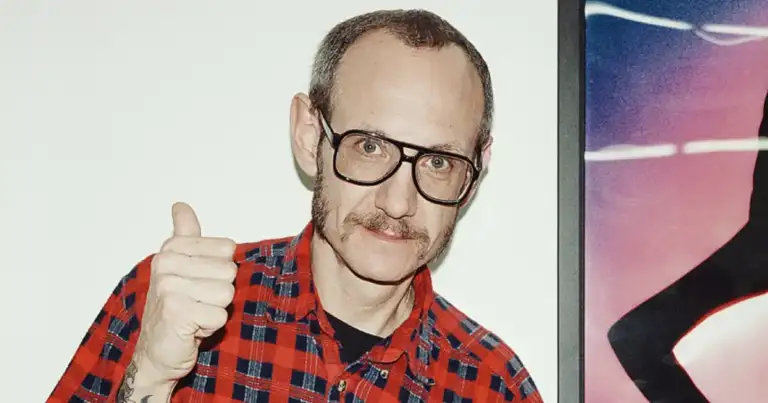

Forget the glossy covers and celebrity shoots. Terry Richardson, once a titan of fashion photography, now lives a life defined by professional exile and personal ruin. It’s a brutal, unvarnished lesson for every ambitious creative: character isn’t just a virtue; it’s a career insurance policy.
This isn’t mere personal drama; it’s a stark, undeniable truth: professional conduct now is career longevity. The fashion world, once notoriously permissive, has fundamentally rewritten its rules. Richardson’s downfall isn’t just a cautionary tale; it’s the definitive blueprint for this seismic shift.
The Price of Exile: A Business Reckoning
The man who once shot campaigns for every major brand now exists in professional purgatory, light-years from the glossy pages he once dominated. This isn’t a quiet exit; it’s a career vaporized by serious allegations of sexual misconduct. As the Fashion Business Review rightly pointed out, his story isn’t just a personal tragedy; it’s the catalyst for a ruthless industry-wide cleansing.
Back in May 2026, the Fashion Business Review‘s seminal article, “Beyond the Blacklist: How Ethical Vetting Redefined Creative Talent Acquisition,” laid bare the new reality. It wasn’t subtle. The piece detailed how Richardson’s spectacular downfall, nearly a decade prior, didn’t just ‘force’ brands and agencies to consider ethical standards; it made them a non-negotiable cornerstone of talent acquisition.
Here’s how the industry has responded:
- Major brands now maintain a zero-tolerance policy for past controversies.
- New sub-sectors focus on stringent due diligence and legal compliance for talent.
- Companies employ specialized HR personnel and external consultants for rigorous background checks.
The message is unambiguous: the financial and reputational risks of associating with compromised talent are catastrophic. For any company, the cost-benefit analysis is brutally clear – partnering with controversial figures is no longer a gamble; it’s professional suicide.
The “Richardson Effect” and Industry Overhaul
The “Richardson Effect” isn’t just a catchy phrase; it’s industry shorthand for career termination by public consensus. This wasn’t a minor tremor; it was an earthquake that fundamentally reshaped the landscape. It forced the fashion and advertising worlds to dismantle their old hiring practices and rebuild them from the ground up, with accountability as the bedrock.
The industry’s old, ‘anything goes’ culture? It’s dead. Buried. We now operate in a ruthlessly strict, hyper-accountable environment. This isn’t some fleeting moral trend; it’s a permanent, fundamental overhaul of business operations. Brands don’t just want to protect their image and foster safer workplaces; they are mandated to, a direct, undeniable outcome of the precedents Richardson’s case established.
“The ‘Richardson effect’ – where a powerful creative’s career was virtually ended due to widespread allegations of sexual misconduct – is presented as a catalyst that forced brands, agencies, and media outlets to fundamentally re-evaluate their talent acquisition strategies and internal codes of conduct.”
— Fashion Business Review, May 2026
No Path to Rehabilitation
While some public figures manage to claw their way back, the notion of ‘career rehabilitation’ for figures like Terry Richardson is a fantasy. He remains the definitive case study of permanent professional exile. His complete disappearance from major campaigns isn’t a stroke of misfortune; it’s a deliberate, calculated purge by an industry that has unequivocally slammed the door shut.
This carries profound implications for every new creative. Ironclad expectations now govern professional conduct and consent. Your personal brand is your business brand; a single misstep can trigger devastating, irreversible consequences.
Richardson’s personal reality – his collapsed marriage, the whispers from his neighbors – is the stark manifestation of his professional wasteland, a humiliating final footnote to a once-unassailable career. The ultimate business lesson is brutally clear: character isn’t a bonus; it’s the foundation. Your talent, no matter how brilliant, is worthless without integrity; for every ambitious creative, this isn’t a warning, but the new rulebook. Ignore it at your peril.
Photo: Wikimedia Commons (query: Terry Richardson)
Source: Google News