
Forget “setting a new benchmark.” The FIFA World Cup 2026 isn’t just raising the bar for sports luxury; it’s shattering it, with group stage hospitality packages now eclipsing the cost of a Super Bowl experience. This isn’t merely about premium seating; it’s a brazen declaration of who the global game truly serves—and who it leaves behind.
Data from hospitality providers reveals exclusive “Match Private Suite” or “Club” packages for early World Cup games are priced between $18,000 and $28,000 per person. Let that sink in: these aren’t for the final, but for group stage matches in powerhouse cities like New York, Los Angeles, or Toronto.
To put this into sharp perspective, premium Super Bowl hospitality, for similar lavish perks, typically falls within the $12,000 to $22,000 range. The World Cup has decisively surpassed the NFL’s biggest spectacle.
The tournament, spanning from June 11 to July 19, 2026, now boasts a price tag that has firmly entrenched it in an elite class, far beyond the reach of the average fan. This isn’t just about high prices; it’s a stark, undeniable signal about who FIFA believes deserves to experience its “unparalleled global appeal.”
The Business of Exclusivity
FIFA and its official hospitality providers attempt to justify these exorbitant prices as a mere reflection of the event’s global reach, touting a “once-in-a-lifetime experience.” Let’s be practical: what they really mean is maximizing revenue from corporate clients and the ultra-rich, pure and simple.
For corporate titans, this isn’t just a lavish party; it’s a calculated investment in client entertainment and high-level networking. Businesses view these packages as crucial for forging powerful relationships and burnishing brand prestige on a truly global stage. The price tag, however steep, is justified by the expected returns – a cold, hard business decision, not a celebration of sport. This is where the real money changes hands, far from the stadium seats.
“This isn’t just a sporting event anymore; it’s a corporate summit,” one industry analyst noted. “Companies are buying access, not just tickets.”
Luxury consumers, those with truly deep pockets, won’t even blink at these figures. For them, it’s about unparalleled exclusivity, a status symbol, and witnessing history unfold in ultimate comfort.
But what about the millions who actually fuel the passion for the game? The average fan, the lifeblood of football, is left feeling a sharp, undeniable sting of exclusion.
The Fan’s Betrayal
The escalating costs for these “premium” experiences lay bare a harsh, undeniable truth: major sporting events are becoming an increasingly inaccessible luxury, effectively priced out of reach for the very general public they claim to unite. Fans across social media platforms aren’t just furious; they’re incandescent with rage, and rightly so.
On platforms like Reddit’s r/soccer, one user’s blunt label of “FIFA extortion” resonates widely. This isn’t just hyperbole; it’s a deep-seated feeling of betrayal. Football Supporters Europe didn’t mince words, branding these ticket costs a “monumental betrayal.” When the game’s most ardent supporters feel this way, FIFA has a serious problem.
The notion of FIFA as a “not-for-profit” organization has become a cruel, bitter joke to millions. Fans, with good reason, are openly calling out FIFA President Gianni Infantino as a “dollar-sign dictator.”
This isn’t only about the lavish hospitality packages. Even standard tickets for what were once considered “less desirable” group stage games are seeing outrageous inflation. Imagine paying $2,000 face value for nosebleed seats to a match like USA vs. Paraguay, only to see them double on the resale market. It’s a predatory system.
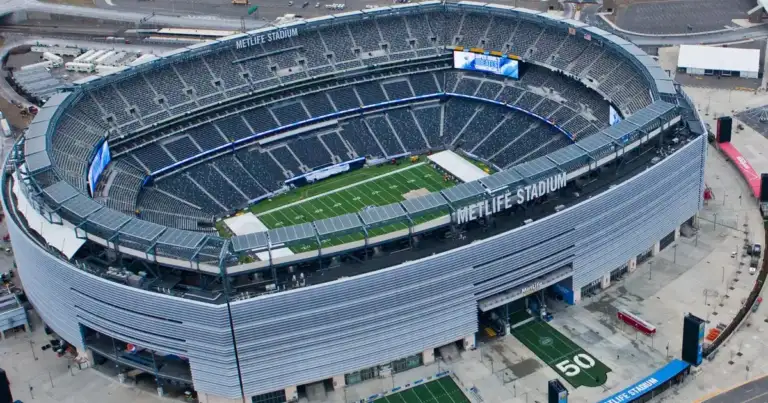
And the financial assault doesn’t stop at the ticket gate. Consider the ancillary costs: parking at venues like MetLife Stadium or Foxborough could easily exceed $200.
Hotels are pushing $700 a night in host cities. Transport costs are quadrupling. This isn’t merely hosting a global event; it’s a calculated act of highway robbery, cynically disguised as “economic impact” for local communities that will see little of the real profit.
Who Really Wins?
Host city economies, understandably, anticipate a substantial boost from these high-spending visitors. But let’s cut through the rhetoric: the critical question isn’t if money will flow, but where it will land. Will these benefits truly trickle down to local businesses and average citizens, or will they remain overwhelmingly concentrated in the luxury sectors, leaving the very communities hosting the event with little more than inflated prices and a sense of exploitation?
Michael Collins of Play Fair ATL articulated the stark reality perfectly: “Dollar bill.” That, unequivocally, is what FIFA is chasing. The projected $11 billion haul is, according to FIFA, earmarked for “global football development.” Yet, any practical fan can see through this veneer, cynically — and perhaps accurately — suggesting it’s funding something else entirely: FIFA’s burgeoning coffers and executive bonuses.
The World Cup should be a universal celebration, a unifying force for the entire planet. Instead, it’s rapidly transforming into a gilded cage, accessible only to the elite, where the true spectacle is not on the pitch, but in the staggering sums accumulating in FIFA’s bank accounts.
This World Cup is shaping up to be a masterclass in monetizing passion, a stark lesson in who holds the power in global sports. The message is crystal clear: if you want to be part of the ultimate football spectacle, prepare to pay a king’s ransom.
And if you can’t? Well, FIFA seems perfectly content for you to watch from the sidelines, your wallet considerably lighter, or simply turn off the TV. Is this the future of the beautiful game we truly want? Or will fans finally demand that the game belongs to everyone, not just the highest bidder?
Source: Google News