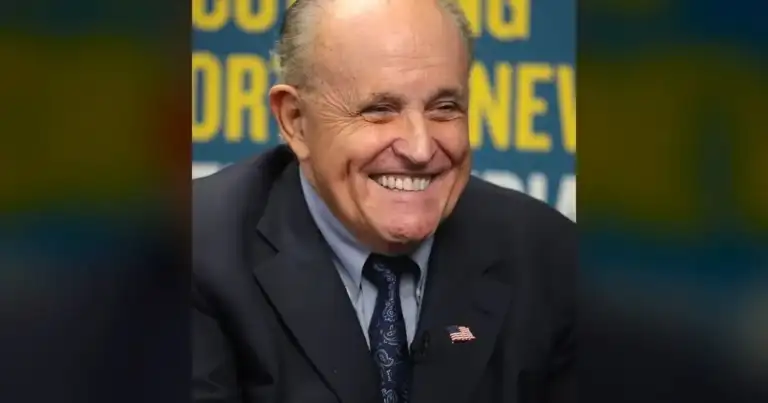

When news broke of Rudy Giuliani’s grave pneumonia, his spokesperson quickly branded him an “ultimate fighter.” But let’s be honest: serious illness isn’t a boxing match, and this kind of bravado often misses the point of what true resilience really looks like.
The former New York City mayor fell gravely sick with pneumonia, a stark reminder of how quickly health can turn. Now, thankfully, he’s expected to make a full recovery – a relief for anyone facing such a severe health challenge, regardless of their public persona.
His spokesperson wasted no time, invoking his 9/11 heroism and using strong, martial language: “winning this battle.” It’s a familiar narrative, but one we need to question when it comes to the raw reality of illness.
The Reality of the Fight
We’re conditioned to love hero narratives, to romanticize “fighting” through anything. But let’s get real for a moment. Pneumonia isn’t a boxing match where grit alone guarantees victory. It’s a brutal, physical breakdown that tests your body to its absolute limits and drains your spirit, often leaving you gasping for air and hope.
Calling someone an “ultimate fighter” might make for a catchy headline, but it risks glossing over the painful, often grueling reality of recovery. Healing from something like grave pneumonia is slow, it’s messy, and it certainly takes more than a catchy slogan or a public declaration of war.
True strength in illness often means embracing vulnerability. It means accepting help when every fiber of your being wants to be self-sufficient.
It means resting when you desperately want to push through. It means listening to the quiet wisdom of your doctors and your body, not just the loud demands of your ego or public image. Is that not a more profound battle?
Beyond the Slogans
When someone is gravely sick, the focus should be singular: their health, their recovery. Period. Not on crafting a PR image or manufacturing a narrative of indomitable will. Pneumonia, like any serious illness, strikes hard and indiscriminately. It doesn’t care about past achievements, political titles, or how many battles you’ve supposedly won before.
Current NYC Mayor Zohran Mamdani, in a refreshing display of genuine compassion, simply stated, “Giuliani is in our prayers.” This is the kind of grounded, human response we need more of. It recognizes the gravity of the situation without a shred of theatrics or a need to brand anyone as a superhero.
Conservative commentator Greg Kelly also voiced his hope for Giuliani’s recovery. These are the responses that truly matter in times of crisis: simple human concern, offering support, and acknowledging the shared vulnerability of the human struggle. Why complicate it with grandstanding?
“He is the ultimate fighter and is winning this battle,” Giuliani’s spokesperson stated, emphasizing his 9/11 heroism.
This kind of language, while perhaps well-intentioned, can be a dangerous trap. It sets an unrealistic, even harmful, standard.
Not everyone can or should be expected to be an “ultimate fighter.” Most people facing grave illness just need to be survivors. They need good medical care, unwavering support, and quiet, uninterrupted time to heal, free from the pressure to perform resilience.
What True Resilience Looks Like
Real resilience during illness isn’t about grand gestures; it’s about the quiet, relentless grind. It’s about waking up bone-tired day after day. It’s about pushing through pain, yes, but knowing when to stop and rest. It’s about trusting the slow, often frustrating process of healing and being profoundly patient with your own body, which is doing its best to mend.
It’s not about being a superhero; it’s about courageously being human. It’s about accepting your limits, even when they feel unfair, and then, with painstaking persistence, slowly rebuilding your strength, one small victory at a time.
So, for anyone facing a health crisis, I urge you: forget the “ultimate fighter” label. It’s a distraction. Instead, focus on the actual fight: the quiet battle within your body. Focus on your breath, on the next small step, on getting the genuine, compassionate support you need. That – that quiet, determined, vulnerable journey – is where true power and profound healing truly lie.
The Path to Recovery
Giuliani’s expected full recovery is, without question, wonderful news. It underscores the incredible power of modern medicine, the body’s astonishing ability to heal, and the dedicated professionals who make such recoveries possible. It shows that even severe illness can be overcome, but not through sheer willpower alone.
But let’s remember the real work of healing. It happens behind closed doors, in hospital beds and quiet recovery rooms. It happens with the tireless dedication of doctors and nurses. It happens with quiet, internal strength, often far removed from public declarations or media spin.
Healing is a deeply personal, often unglamorous journey. It demands grit, yes, but also grace – the grace to accept help, to rest, to be imperfectly human. The true fight worth celebrating isn’t about being an “ultimate fighter” for the cameras. It’s about the quiet, profound courage to simply get better, one fragile day at a time. What if we celebrated that instead?
Source: Google News