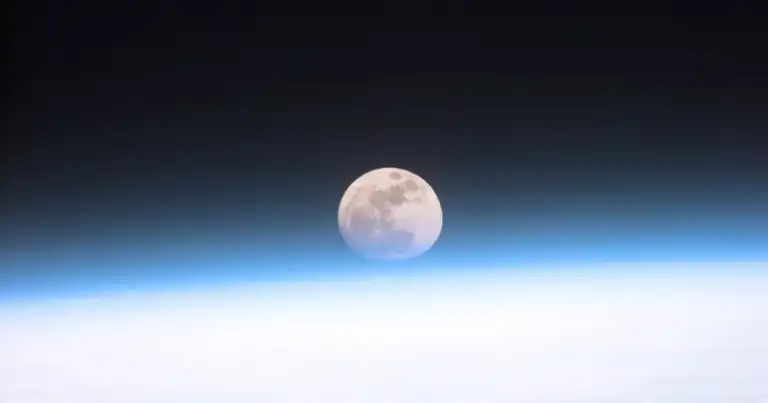

NASA isn’t just dreaming of the moon anymore; they’re building a city there. And they’re doing it in six years. Forget gradual steps or tentative flag-planting.
They are talking about a permanent human settlement, fully operational by 2032. This isn’t some distant sci-fi fantasy. It’s a hard deadline, a cosmic gauntlet thrown down by the world’s premier space agency.
The announcement, a thunderclap across the scientific community, came on May 26, 2026. This plan explodes past the existing Artemis program, dramatically expanding its scope.
The goal? A self-sufficient lunar fortress, designed to support a rotating crew of up to 20 individuals. We are talking about constructing a fully-fledged lunar metropolis, a true frontier town among the stars.
The Six-Year Sprint to Space
Six years for a moon city? Let that sink in. Humanity crawled to the moon, taking decades to land a single boot print.
Now, we’re supposed to conjure an entire base, a permanent human foothold, from lunar dust in less time than it takes to get a PhD. This isn’t just an ambitious timeline; it’s an audacious, almost reckless, sprint.
It suggests a frantic urgency in the new space race, a desperation barely concealed.
Forget promises; NASA is betting on bleeding-edge technology and an unholy alliance of international powers and rapacious corporations. This is where the real game begins.
Who are these partners? What kind of deals are being cut in the shadows of this lunar ambition?
Details remain hazy, but the mandate is brutally clear. NASA is done with temporary outposts and fleeting visits. They want permanent human dominion.
This means power grids, water recycling, and life support systems – all of it engineered to be entirely self-sufficient, a defiant outpost against the void.
“This bold initiative represents a monumental leap for humanity. We are not just visiting the Moon; we are staying,” one breathless NASA official declared during the briefing, barely containing their glee. “This requires a global effort and groundbreaking innovation.”
The Real Agenda Behind the Moon Rush
Let’s be blunt. A “city on the moon” sounds incredible. It sparks the imagination, ignites the dormant explorer in all of us.
But six years? That’s an aggressive, almost impossible, target. What is the actual motivation for this breakneck pace?
Is it pure, unadulterated scientific curiosity? Or is there something far more cynical, more tangible, driving this lunar land grab?
The answer isn’t “probably”; it’s definitively about resources. The Moon holds vast, untapped amounts of helium-3, an isotope rare on Earth but potentially a powerful, clean fuel source for future fusion reactors.
Then there are the water ice deposits at the poles, vital for oxygen, drinking water, and crucially, rocket fuel. The space race was always a geopolitical chess match.
Now, it’s a brutal scramble for cosmic real estate and raw materials, a new Wild West above the clouds.
Consider the staggering investment required. Billions, if not trillions, will be poured into this project. Who truly profits from this galactic spending spree? Not you, not me.
The commercial partners, the corporate titans of the new space age, will be cashing in to an obscene degree. Space isn’t just the final frontier; it’s the next great corporate goldmine, ripe for exploitation.
Expect the usual suspects – the aerospace giants, the mining conglomerates, the tech behemoths – to carve up the lunar pie with contracts so massive they’d make a Roman emperor blush.
Earth’s Problems vs. Lunar Dreams
Here’s the rub. We have pressing, existential issues right here on Earth: poverty, climate change, geopolitical instability, crumbling infrastructure.
Yet, governments, ostensibly dedicated to their terrestrial populations, are gleefully fast-tracking a lunar city. It doesn’t just make you wonder about priorities; it screams a profound disconnect.
Is this a distraction? A grand, orbital illusion designed to shift focus from intractable problems at home? Or is it a genuine, albeit cynical, attempt to secure humanity’s future beyond a dying Earth?
Let’s not pretend it’s some noble, altruistic endeavor. The truth is far more pragmatic, and far less palatable.
The timing, however, is impeccably convenient. A shiny new object for the masses to gawk at, diverting attention from the slow-motion collapse unfolding beneath their feet.
The “international partnerships” are key here, a thinly veiled alliance. This isn’t just an American project; it’s a global race to stake claims, a frantic dash for lunar territory.
Every major global player, from Beijing to Brussels, wants a piece of this lunar pie. And make no mistake, this isn’t about kumbaya in the cosmos.
It will undoubtedly ignite new geopolitical tensions, new cold wars fought in the cold vacuum. The vastness of space will not automatically usher in an era of peace; it will merely provide a bigger arena for old rivalries.
The Unseen Costs and Unspoken Goals
Building a lunar city isn’t just hard; it’s an engineering nightmare wrapped in a scientific impossibility. Radiation shielding that actually works, artificial gravity that doesn’t make you sick, sustainable food production in a sterile wasteland – these aren’t minor hurdles.
They demand breakthroughs, certainly, but more critically, they demand perfect execution in an environment that forgives no mistakes.
The cost overruns will be legendary. The delays will be inevitable. Yet, the sheer, audacious ambition is undeniable.
This plan isn’t born from starry-eyed idealism; it’s a cold, calculated move of strategic positioning. It’s about securing future resources, projecting national power, and quite possibly, establishing a cosmic escape hatch for the elite.
So, steel yourselves for the inevitable headlines, the breathless pronouncements, and the furious debates about who owns what sliver of the moon.
Because when NASA declares ‘city on the moon’ in six years, understand this: they’re not just building a base. They’re kicking off the next great global gold rush, a high-stakes land grab that will reshape geopolitics, economics, and humanity’s very future.
And for now, we’re all just watching the dust settle from Earth, hoping we don’t get buried by it.
Source: Google News