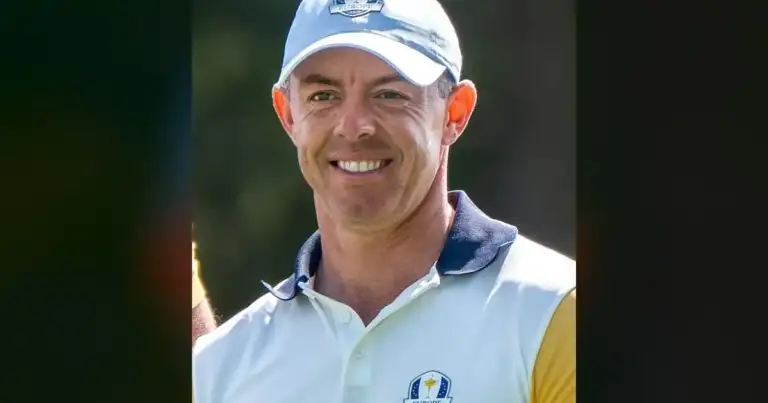

Rory McIlroy’s “emotional” Masters victory at Augusta in 2025 was supposed to be a moment for the ages. He sealed his long-awaited career Grand Slam, but the online chatter wasn’t about the score. It questioned whether those tears were genuine or just a meticulously crafted performance for the cameras.
The Scripted Emotion of Sport: A Modern Farce?
McIlroy’s reaction was textbook, almost too perfect. The dropped putter, face buried in hands, slow-motion camera zoom, parents rushing in—it was a Hollywood ending. This moment felt pre-packaged and ready for prime time, narrative gold for broadcasters.
But here’s the kicker: the public isn’t as easily fooled anymore. We’ve waded through enough manufactured drama on reality TV. We’ve scrolled past enough fake influencers selling us a lifestyle built on rented jets and borrowed cars. We recognize a performance when we see one, and this felt dangerously close to a theatrical production.
Where’s the line between genuine relief and simply doing your job, especially when athletes are global brands whose emotions are managed assets? Critics online were brutal, labeling it “scripted hero porn” and a “PGA-engineered redemption arc.” That phrase wasn’t just common; it was a rallying cry.
Critics pointed to McIlroy’s storied career, questioning the sudden outpouring. “He’s a robot who golfs for billions,” one commenter quipped. “Where was this raw emotion before?”
The timing, too, felt almost too convenient. Golf desperately needed a feel-good story after the bruising, divisive LIV Golf wars. Was it authentic catharsis, or just excellent PR dressed up in a green jacket?
This wasn’t just golf; it was the sport’s equivalent of a Hallmark movie. It had every ingredient: the perennial “choke artist” finally breaking through, the tearful family reunion, the dramatic setting. It felt too polished, too perfectly aligned with what the networks and sponsors wanted. We’re not watching sport anymore; we’re watching a carefully constructed narrative unfold.
Beyond the Green: The Integrity of Emotion
At TheManEdit, we champion quality above all else. That means real substance, genuine construction, and heritage, not fleeting hype. We see it in bespoke tailoring: a well-made suit commands respect through its cut and fabric, not through flashy logos. It’s about the craft, the integrity of the garment, not the showmanship.
The same principle applies to emotional displays. Are we witnessing genuine feeling, or a cheap imitation? Just like “quiet luxury” can be a scam when it’s all veneer and no substance, manufactured emotion cheapens the experience. We’ve all seen the “influencers” who fake their wealth, rent luxury cars, and pose in private jets, projecting an image that’s utterly detached from reality. They sell a dream built on smoke and mirrors. Was this Masters victory just another version of that?
McIlroy’s sponsors, no doubt, were ecstatic. The emotional payoff was immense, resonating with millions globally. But for a discerning few, it felt hollow, like a carefully managed show. We demand precision from our watches, peak performance from our engines, and uncompromising quality from our whiskey. So why are we so quick to accept less from the emotional integrity of our heroes?
This isn’t just about the integrity of the game; it’s about the integrity of the moment itself. When every tear feels pre-approved, every embrace choreographed, we lose something vital: the raw, unpredictable human element that makes sport so compelling.
A decade of near-misses and Augusta flops had built unbearable hype around McIlroy. The networks needed a tearjerker payoff, and this victory delivered it with surgical precision.
Even McIlroy’s post-win comments felt rehearsed, peppered with “mental hurdles” and “resonating journeys.” It sounded less like a man overwhelmed by emotion and more like therapy-speak filtered through a PR agency. This isn’t to deny his immense talent or the difficulty of his achievement. It’s about questioning the narrative, looking past the surface, and scrutinizing the packaging. Is it real, or just another carefully curated image designed to sell us a feeling?
The Price of a Perfect Narrative: When Tears Become Currency
Athletes today contend with immense pressure. They must win, yes, but also be relatable, charismatic, and provide drama. This creates a dangerous, self-perpetuating cycle.
Every victory demands a story, and every story demands emotion. Sometimes, that emotion feels less like an outpouring and more like a performance for the cameras.
The “excitement” from the gallery, while appreciative, was polite, not riotous. It was a controlled environment, a perfect setting for a planned moment.
Is sport becoming indistinguishable from a soap opera? Are we sacrificing genuine, spontaneous moments for carefully manufactured ones? This is a perilous path. We crave real stories, raw passion, and unscripted joy or despair. Not something that feels focus-grouped and designed for maximum “feels.”
The brutal truth is that modern sport thrives on these “shock” finales and mythic narratives. It needs the hero worship, the relatable struggles, even if the emotional payoff feels a little fabricated. This isn’t solely on McIlroy; it’s a reflection of the entire industry, how we consume sports, and what we’ve come to expect from our champions. We deserve authenticity, not just good optics.
Rory McIlroy’s “emotional” Masters victory certainly delivered headlines and a compelling storyline. But it leaves us pondering the true cost of manufactured sentiment. What happens when the audience, having seen behind the curtain too many times, finally stops believing the tears?
Source: Google News