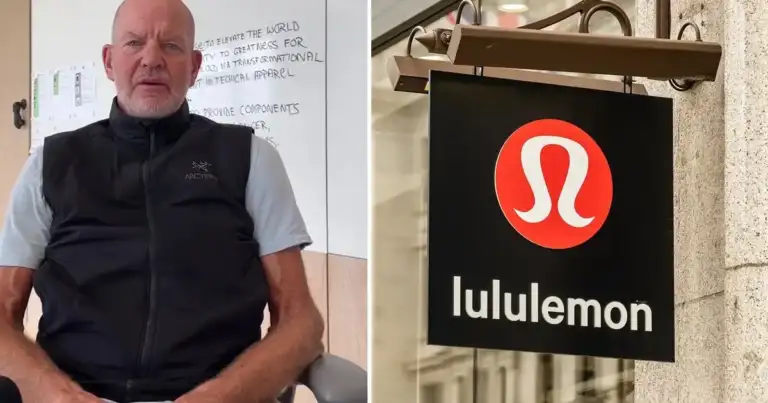

When a founder’s legacy clashes with a brand’s future, sparks don’t just fly – they ignite a full-blown corporate firestorm. Lululemon, the athleisure giant, is currently embroiled in a high-stakes public feud with its own billionaire founder, Chip Wilson, whose recent “misguided” remarks against the company’s diversity and inclusion initiatives aren’t just an opinion – they’re a direct assault on the very foundation of modern wellness values.
The latest skirmish erupted this past weekend, fueled by Wilson’s incendiary comments in a recent interview. He didn’t just ‘slam’ Lululemon; he publicly lambasted its strategic pivot, declaring the brand had “lost its way” by “trying to appeal to everyone.” His core grievance? The company’s embrace of “diversity and inclusion,” which he believes has eroded its “exclusivity.” Major news outlets, including The New York Times and CNBC, amplified these divisive remarks on Friday, May 16th, setting the stage for an inevitable corporate showdown.
Lululemon’s corporate leadership wasted no time in delivering a swift, unequivocal counter-punch. On Saturday, May 17th, a company spokesperson issued a blistering statement, publicly declaring that Wilson “does not speak for Lululemon” and dismissing his views as “misguided.” This wasn’t just damage control; it was a powerful reaffirmation. The company unequivocally doubled down on its unwavering commitment to “inclusivity, diversity, and body positivity,” cementing its modern ethos against its founder’s archaic vision.
Wilson’s War on Inclusivity
This isn’t Wilson’s first rodeo, nor his first foray into public controversy. The man possesses a long, well-documented history of making inflammatory statements that have repeatedly put him at odds with the very brand he founded. He was effectively pushed out, stepping down as CEO in 2013 and chairman in 2015, each departure clouded by his penchant for provocative, often offensive, remarks.
Consider his past: In 2005, Wilson openly admitted he deliberately chose the name “Lululemon” to include three L’s, a phonetic challenge he believed would make it difficult for Japanese speakers to pronounce – a deeply problematic, almost xenophobic, marketing strategy. Then, in 2013, he infamously sparked outrage by blaming certain women’s body types for the perceived sheerness of Lululemon’s yoga pants. That staggering lack of accountability led to a massive public backlash, a costly product recall, and a significant blow to the brand’s reputation.
Now, like a ghost from the past, he’s back, seemingly unburdened by self-awareness, still clinging to the conviction that Lululemon should exclusively cater to a specific, affluent, and frankly, homogenous demographic. Wilson frames his interventions as “tough love,” convinced he’s preserving the brand’s “elite status.” But let’s be clear: what he perceives as visionary insight, the vast majority of consumers and industry experts correctly identify as an old-school billionaire desperately clinging to outdated, exclusionary ideas that have no place in the modern wellness landscape.
Chip Wilson: “Lululemon has lost its way by trying to appeal to everyone. They’re trying to be everything to everybody, and that’s not what Lululemon was. They’re going after a market that is not the original market, and they’re alienating the core.”
Lululemon’s Firm Stand
Lululemon’s current leadership, however, is playing a fundamentally different game – one built on strategic foresight and market reality. Their unwavering focus is on aggressive growth and expansive market penetration, a vision that demands a far more inclusive and welcoming approach. This isn’t just about being “nice”; it’s smart business, a non-negotiable for success in today’s global economy.
Publicly disavowing Wilson’s comments wasn’t merely a shrewd PR move; it was an existential imperative for maintaining Lululemon’s brand integrity and its very relevance. In the hyper-aware fitness and wellness world, authenticity, social responsibility, and a genuine commitment to inclusivity aren’t optional extras – they are paramount. To have ignored Wilson’s remarks, or to have offered a tepid response, would have been nothing short of a corporate death wish, alienating a new generation of consumers who demand more from the brands they support.
The numbers don’t just speak; they shout a clear message. Lululemon’s recent earnings report didn’t just “blow past expectations” – it shattered them. Net revenue surged a robust 10% year-over-year, a testament to their forward-thinking strategy. This impressive growth isn’t coincidental; it’s directly attributable to their expanded market reach and the successful cultivation of new customer segments, precisely because their focus on inclusivity resonates with a broader, more diverse audience.
While Wilson still holds a significant stake in the company, reportedly around 8%, which theoretically lends some residual weight to his opinions, his actual influence is demonstrably waning. His outdated ideology is simply no match for the company’s powerful forward momentum, driven by a leadership team committed to a progressive vision that aligns with contemporary values and market realities.
Lululemon Spokesperson: “Chip Wilson does not speak for Lululemon, and his comments do not align with our values. We are an inclusive brand that celebrates diversity and body positivity, and we are committed to creating a welcoming environment for all.”
The Real Impact: Will Sales Suffer?
So, is this just another fleeting corporate drama, or do Wilson’s archaic comments pose a genuine threat to Lululemon’s bottom line? The answer, unequivocally, is no. Lululemon has an undeniable track record of not just shrugging off, but actively thriving despite these kinds of founder-induced headaches. This brand is built tougher than its founder’s opinions.
The brand has demonstrated incredible, almost bulletproof, resilience. Cast your mind back to the infamous 2013 “sheer pants” debacle – a crisis that would have crippled lesser brands. Lululemon not only recovered with remarkable speed but emerged stronger. Their financial performance remained robust, and crucially, their fiercely loyal customer base stood firm. This wasn’t luck; it was a testament to deep brand equity, cultivated over years of consistent quality and community building.
Lululemon has meticulously cultivated immense brand equity, a powerful shield against the fleeting controversies stirred by a disconnected founder. This equity isn’t just about a logo; it’s forged from top-tier product quality, deeply engaging community programs, and an aspirational, premium image. Their strategic investment in initiatives like free yoga classes and a robust ambassador program creates authentic, enduring connections with consumers – bonds far stronger than any single individual’s opinion.
Crucially, the company has strategically diversified its marketing and aggressively expanded its product lines, deliberately moving beyond the narrow, “exclusive” demographic Wilson obsesses over. This broader appeal isn’t just about market share; it’s a calculated move to mitigate negative reactions from any niche group, ensuring the brand’s stability and continued growth even when faced with internal dissent.
Wilson hasn’t held an operational role within Lululemon since 2015, a critical distinction. For the vast majority of consumers, his personal, often antiquated, views are entirely separate from Lululemon’s dynamic, forward-looking corporate strategy. This clear delineation empowers the company to publicly and emphatically reject his statements without fear of internal chaos or significant consumer confusion, further solidifying its independent identity.
In the relentlessly competitive athleisure market, inclusivity isn’t just a trend; it’s the non-negotiable standard for success. Industry titans like Nike, Adidas, and Alo Yoga have all strategically embraced this ethos. Lululemon’s swift, decisive response to Wilson’s remarks isn’t just about optics; it’s a strategic imperative that keeps the brand not only competitive but leading, aligning it unequivocally with the crucial modern consumer values that drive purchasing decisions today.
For the everyday fitness enthusiast, for anyone who invests their hard-earned money and their aspirations into a brand, this public feud means something profound. It forces a critical examination of the values underpinning the brands they choose to support. Lululemon meticulously built its empire on an aspirational image of holistic health, well-being, and self-improvement. When its very founder pushes exclusionary, divisive views, it doesn’t just chip away at that foundation; it threatens to crack it wide open, challenging consumers to decide where their loyalty truly lies.
Today’s consumers, particularly the influential younger demographics, don’t just prefer brands that reflect their values; they demand them. They expect genuine diversity, authentic body acceptance, and a commitment to social progress. This incident serves as a stark, high-profile illustration of the inevitable, often brutal, fight between a founder’s entrenched, outdated vision and a dynamic company’s imperative need to evolve, adapt, and lead in a rapidly changing world.
Lululemon, under its current leadership, will undoubtedly continue its relentless march forward. Its strategic focus on growth through genuine inclusivity isn’t just a winning strategy; it’s the only viable path to sustained success in the 21st century. Chip Wilson’s outdated, exclusionary views aren’t just “noise in the background”; they are a stark reminder of a past that Lululemon has decisively chosen to leave behind. The future of wellness is inclusive, and Lululemon is betting big on it. What values will you choose to invest in?
Source: Google News